

PPC fraud in sports betting is more common than you think, and it’s getting worse by the day. The bid clears, the click logs, and the meter spins—yet the bettor never arrives. Sophisticated bots now emulate real mobile journeys, swipe past CAPTCHAs, and burn through daily budgets before lunchtime. They aren’t random spiders; they’re purpose-built to farm promo keywords like “risk-free bet” and “bonus code,” inflating costs while delivering zero handle.

Sports-betting operators face this every campaign cycle. Traffic looks healthy until conversions stall, attribution skews, and finance asks why acquisition costs have doubled. It isn’t human indecision; it’s invalid traffic hiding behind near-perfect device fingerprints. According to TrafficGuard, up to 44% of sportsbook paid-click traffic is fraudulent or invalid—a margin-killer no operator can ignore.
Ready to find out more?
Let’s get started!
Bot Threat: Fast, Adaptive, Expensive
AI bots spin thousands of device IDs, spoof geos, and mimic scroll patterns. Traditional IP blacklists crumble because addresses shuffle every few minutes. Emulator farms even simulate post-click dwell time, so surface-level metrics look fine. If your fraud filter waits for end-of-day logs, the money is already gone.
| Detection Layer | Rule-Based Legacy | AI-Driven Approach | Why It Matters |
| IP Reputation | Static blocklists | Real-time clustering on connection entropy | Catches rotating proxy farms |
| Click Velocity | Hard thresholds | Anomaly score on bid-time series | Flags slow-rolling emulator swarms |
| User Agent | Exact match | ML model on UA string entropy | Spots forged devices before landing |
Why settle for guesswork when machine learning can score every click before the redirect even loads?
Real-Time Blocking With Predictive Models
Modern anti-fraud systems feed bid-stream data—timestamp, publisher ID, device, location—into gradient-boosted trees or deep learning models. Anything above a risk threshold diverts to a honeypot landing page, preserving bid history without paying for the fake click. Good systems retrain hourly, so yesterday’s bot pattern can’t slip through tomorrow.
Scaleo’s API delivers risk flags in near real time, so you can instantly see which placements to pause or re-allocate budget on.
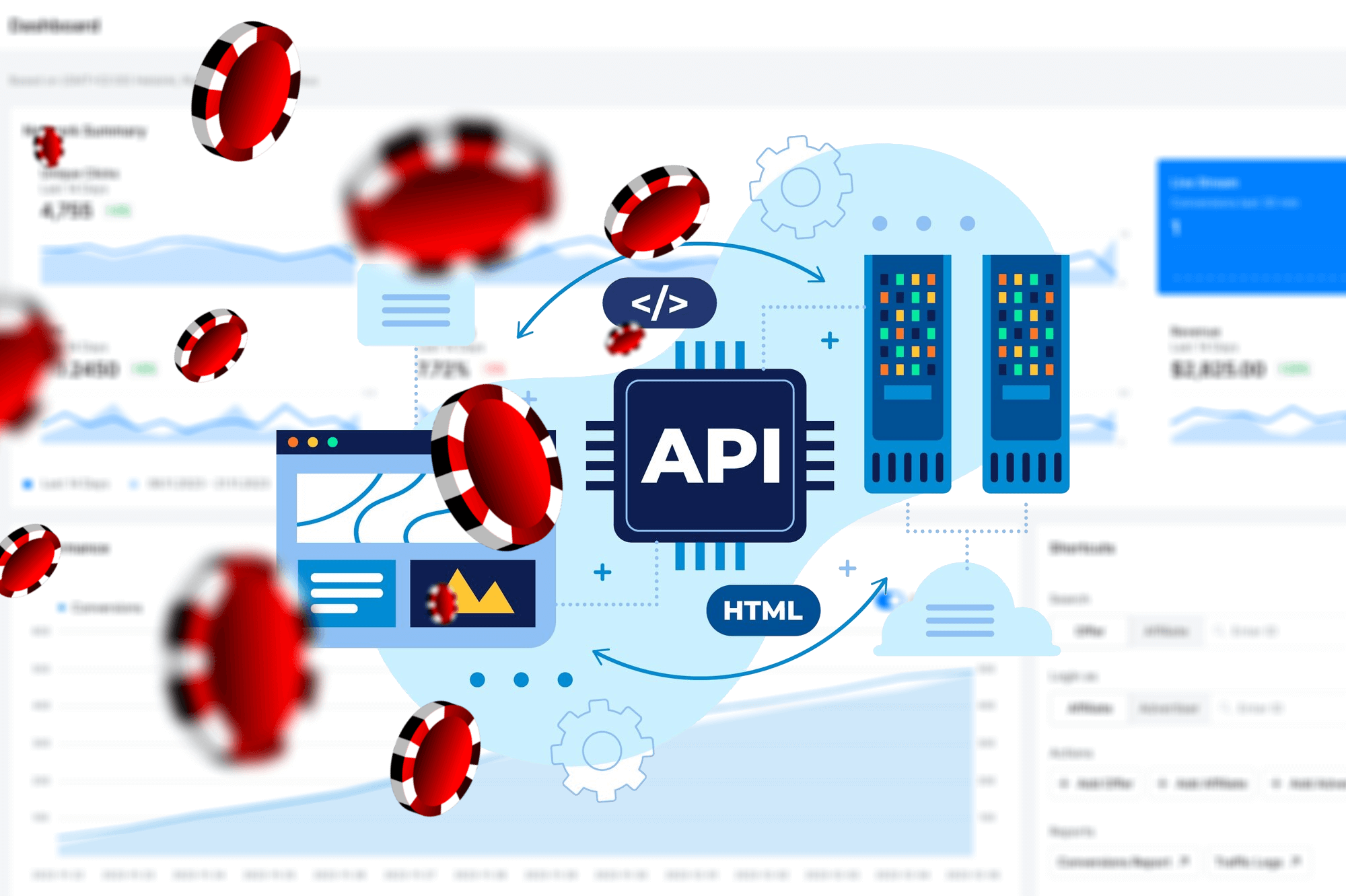
Result: budgets last longer, and human bettors actually see your offer.
Bot-Detection Signals

Click Fingerprint Analysis
Real users generate noisy, imperfect fingerprints—browser plugins, font lists, even slight clock drift. Bots, especially emulator swarms, look too clean: identical time zone to IP, fonts defaulted, and zero latency variance. A convolutional model scoring entropy across these vector blocks 70% of synthetic clicks before the redirect fires—without touching genuine bettors.
Cursor & Scroll Telemetry
Humans hesitate on bonus terms; bots glide with pixel-perfect scrolls. LSTM models ingest x-y cursor trails and wheel speed, tagging anything under 150 ms variance as suspicious. Operators feeding this signal into bid managers report human-only CTRs climbing from 0.9% to 1.4%—a 55% efficiency gain with no extra spend.
Time-Series Anomaly Scores
Fraud spikes recur every campaign launch. Gradient-boosted forests monitor click volume per placement spot patterns deviating by two standard deviations over rolling 15-minute windows. When a placement crosses the line, bids throttle instantly, preserving budget for verified inventory.
Device & Locale Consistency
ML classifiers compare device language, OS locale, and ad-server geo. A mismatch triggers soft redirects, feeding the potential bot to a sandbox URL. Genuine travelers may opt-in, but swarms vanish, preserving conversion ratios.
Budget Protection Workflow
- Pre-Bid Scoring – Demand-side platform calls an external risk API. Scores ≥ 0.8 downgrade the bid or swap in a low-value creative.
- Honeypot Redirect – Suspect clicks route to a pixel-only page, confirming bot behavior without paying CPC.
- Real-Time Bid Shaping – Placement-level anomaly feeds loop back into the DSP every five minutes. Bad zones cool; strong zones scale.
- Continuous Model Training – New bot fingerprints retrain nightly; weights push to production before the morning betting rush.
Why trust daily reports when your pipeline can prune bad traffic mid-auction?
Affiliate Traffic Integrity
Bots don’t just attack paid-search—they hitch rides on affiliate links, padding clicks to juice commissions. That corrodes ROI twice: you pay for the fake click and share revenue on nonexistent bettors. AI closes the loop with the very same fingerprint, scroll telemetry, and anomaly score pipeline already guarding PPC.
The moment an affiliate click triggers the fraud model, two things happen:
- The suspect session diverts to a sandbox so promos can’t be claimed.
- A webhook downgrades that partner’s commission tier in real time.
Why let a shadow army siphon budget when a model can throttle them before the welcome page loads?
Because AI sees both the paid ad and the referral path, it spots cross-channel patterns humans miss: a click farm that tests Google ads at dawn and spams bonus-code blogs by noon. Unified scoring trims wasted partner payouts by up to one-third and nudges spend toward affiliates who provide verified first-time depositors.
Interesting Fact: Industry studies show affiliate programs now influence 16% of all online orders—but only when traffic quality stays high.
Scaleo Affiliate Software’s Advantage
Here’s where Scaleo shines.
Its real-time API ingests every click—paid, organic, or affiliate—applies the same AI risk scores, then:
- Auto-reconciles commissions: suspect clicks earn zero until cleared.
- Streams live metrics: marketing sees true CPA while the campaign is still live, not next week.
- Feeds bid managers: verified conversions flow back to Google Ads or Meta so smart bidding isn’t skewed by fraud noise.

Interesting Fact: Operators rolling out real-time attribution dashboards report 40% fewer payout disputes in the first quarter.
Ask yourself: why settle for yesterday’s spreadsheets when every valid click can update budgets, bids, and partner tiers this minute?
Creative Integrity Checks
Bots aren’t the only threat; hijacked creatives can inject malicious code or spoof legitimate campaigns to phish credentials. Traditional ad-verification tags catch most low-grade swaps, but sophisticated hijackers now fingerprint the scanner’s IP and serve clean assets while offloading the bad payload to real users.
Operators running semantic diffing report near-zero brand-safety incidents after rollout, while design teams see faster approvals because AI provides proof of integrity. Think of it as an always-on bouncer checking ID at the creative door.
When a creative auto-pauses, Scaleo’s webhook pings both the media buyer and the affiliate manager so nobody pays commission on invalid impressions. Finance loves clean ledgers; compliance loves sleeping at night.
Post-Bet Feedback
Stopping click fraud at the edge is necessary but not sufficient.
True validation arrives only after a bettor deposits, wagers, and clears one or two sessions without chargebacks. Feeding that downstream truth back into the click-risk model elevates precision from “probable bot” to “proven bot.” Here’s how the loop works:
- Session Tagging – Every click receives a unique risk-score token stored alongside the player ID.
- Behavior Feed – Deposit size, bet cadence, and cash-out patterns flow into the data lake.
- Labeling – If the account shows normal play for seven days, the original click risk-score is marked as a false positive; if chargebacks or self-exclusions pop up, the click becomes a confirmed fraud label.
- Model Retrain – Nightly jobs re-weight features, shrinking false-positive rates and sharpening bot detection thresholds.
Operators applying post-bet labels see risk-model AUC scores climb above 0.93 within two training cycles and keep climbing as more ground truth lands. The payoff is a virtuous loop: better detection, cleaner traffic, lower CPAs, and no wasted creative showing to empty shells.
Because Scaleo’s API tracks the full life cycle—from first click to final wager—the platform passes labeled outcomes straight back to your fraud models without patchwork ETL.
Real-time truth fuels real-time improvement.
Model Hardening & Active Learning
Bots evolve daily; your model must, too.
Active-learning frameworks ask human reviewers to label only the edge cases that the algorithm finds fuzzy, cutting annotation hours by 70% while pushing decision boundaries where they matter most. Add adversarial training—feeding deliberately corrupted fingerprints to teach the model what deception looks like—and you get a system that anticipates the next spoof before it hits production.
That means fraudulent impressions never even count toward a billing event, let alone a paid click. Couple that with online-learning updates every hour and you’re no longer reacting; you’re intercepting.
Scaleo emits enriched logs that include the final fraud decision, bid price, creative ID, and affiliate tag. Feed that JSON straight into your edge model to maintain a synchronized shield across every channel.
Blitz Bot-Defense Checklist for Business Owners
- Opt-in to ads.txt/app-ads.txt and sellers.json—strip unknown resellers.
- Score every bid pre-auction; block anything over 0.8 risk or reroute to a honeypot.
- Hash creatives per frame and diff copy against a metadata ledger.
- Embed scroll-entropy and cursor-jitter sensors on landing pages.
- Label post-bet outcomes and retrain nightly; push new weights by sunrise.
- Stream fraud scores into Scaleo to freeze affiliate payouts instantly.
- Sync DSP bid adjustments every five minutes based on placement anomaly curves.
- Run adversarial tests quarterly—simulate the next bot wave before it arrives.
- Archive all raw logs for 180 days; regulators may ask how you protected bettors.
Miss even two steps, and the next emulator swarm will drain next month’s PPC allocation before your coffee cools.
Conclusion
AI click-fraud bots move fast, but disciplined operators can move faster. Supply-path optimization narrows exposure, creative hashing locks down brand safety, post-bet feedback turns hindsight into foresight, and active learning keeps the shield sharp. Tie everything together with live data and you shift from passive defense to automated counter-strike—budget protected, bettors acquired, and brand reputation intact.
Scaleo sits at the heart of that strategy. Its’ real-time API funnels every click, deposit, wager, and payout into one ledger, pushing fraud flags to bid managers and commission tables before a single euro leaves your account.
Ready to shut the door on bot-driven budget bleed?
Book a Scaleo demo today and watch your traffic quality climb while your CPA curve finally bends in the right direction.