

B2B buyers don’t impulse-shop. They evaluate vendors for months, loop legal and finance into the process, and then live with the decision for years. That’s exactly why loyalty in B2B is more than punch cards and points; it’s a structured system that rewards behaviors that grow the relationship—renewals, expansions, training, co-selling, referrals, and compliance with your ideal product mix.
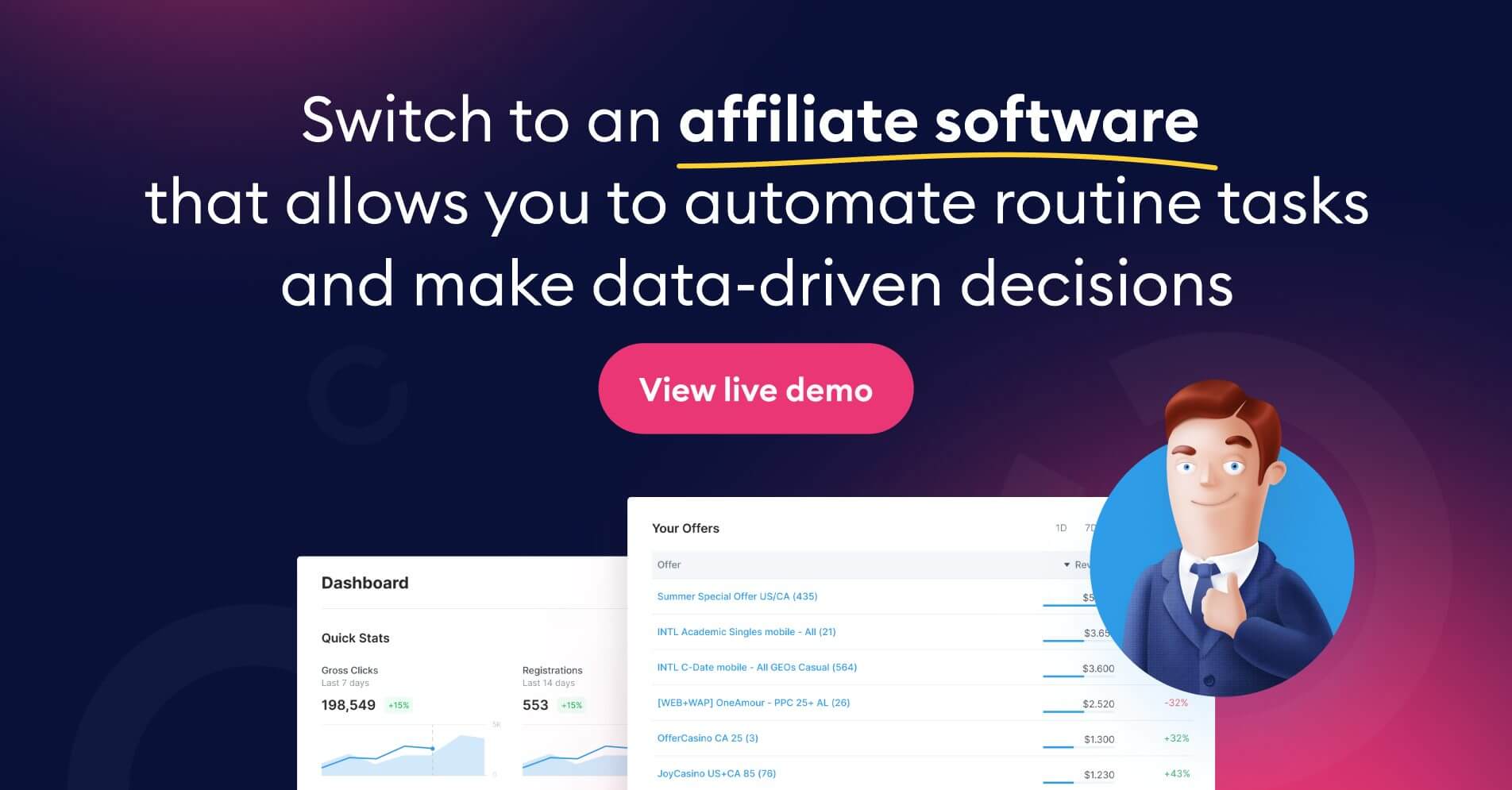
This guide walks operators through how to design, implement, and manage a B2B customer loyalty program that actually moves the numbers. We’ll cover program economics, data architecture, reward design, governance, measurement—and how a modern platform like Scaleo can power the incentive plumbing without turning your team into spreadsheet firefighters.
B2B Loyalty ≠ B2C Loyalty
B2B loyalty is account-centric, long-cycle, and multi-stakeholder. You’re influencing a buying center (procurement, finance, end users, champions), not a single consumer. Rewards, therefore, aim at business outcomes—discounts, service credits, enablement, and go-to-market advantages—not just swag.
| Dimension | B2C Loyalty | B2B Loyalty |
|---|---|---|
| Primary unit | Individual | Account (company) with multiple contacts |
| Cycle length | Days/weeks | Quarters/years (renewals, expansions) |
| Earn events | Purchases, visits | Revenue + behaviors: certifications, product mix, referrals, NPS, compliance |
| Rewards | Points, coupons, gifts | Tiered rebates, credits, SLAs, training seats, MDF/co-op, roadmap access |
| Success lens | Frequency & basket size | Retention, expansion (NDR), share of wallet, CAC efficiency |
| Risk & compliance | Low | High (rebate accounting, anti-bribery, tax, channel conflict) |
Choose the Right Loyalty Model for Your Motion
Not all B2B models should be rewarded the same way. Tie your mechanics to how you actually create value.
| Business Motion | Best-fit Loyalty Mechanics | Typical Earn Rules | Best-fit Rewards |
|---|---|---|---|
| Direct Enterprise (SaaS, solutions) | Tiered service & credits | ARR growth, multi-year terms, product adoption score, case studies | Renewal credits, premium support, roadmap previews, training bundles |
| Channel/Resellers/Distributors | Growth rebates & MDF | Quarterly sell-thru, certifications, pipeline hygiene, co-marketing | Back-end rebates, co-op funds, deal reg priority, lead sharing |
| Usage-based / APIs | Rate card optimization | Committed usage, on-time payments, multi-product adoption | Volume discounts, burst credits, architectural reviews |
| Hardware + Services | Mix bonuses & attachment | Attach rate of services, maintenance renewals, compliance docs | Parts discounts, on-site training, extended warranties |
| Marketplaces / Aggregators | Referral + rev-share hybrids | Net new tenants, GMV milestones, churn reduction | Revenue share, waived listing fees, promotional placement |
Incentives That Drive the Behaviors You Need
Points can work in B2B, but many programs succeed with tiered status plus credits/rebates because finance can recognize and forecast them cleanly.
Design principles:
- Pay for profitable growth. Weight earn rules toward net revenue retention (NRR), multi-product adoption, and pre-paid/longer terms.
- Reward enablement. Certifications, deployment milestones, and clean data (renewal contacts up to date) deserve points or credits.
- Make tiers meaningful. Each tier should unlock something operationally valuable (priority SLA, roadmap advisory seats, MDF multipliers), not just a new badge.
Example tier framework (direct enterprise)
| Tier | Entry Criteria (rolling 12 months) | Perks |
|---|---|---|
| Silver | €50k ARR or baseline retention | Standard SLA, renewal credit up to 1% |
| Gold | €250k ARR and ≥105% NDR | Premium SLA, 3% renewal credit, quarterly optimization workshop |
| Platinum | €1M ARR and ≥115% NDR, multi-product | Executive sponsor, roadmap council, 5% renewal credit, sandbox/POC funds |
Keep criteria few and auditable. If finance can’t verify it in a report, don’t base rewards on it.
The Economics: Make the Math Work (Before Design)
A loyalty program is an investment. Model it like one.
Key variables to forecast:
- Baseline churn (logo & revenue) vs. target after program launch.
- Average discount/rebate rate by tier and its effect on gross margin.
- Expansion lift from upsell/cross-sell behaviors.
- Breakage & liability if you issue points/credits (unredeemed balances sit as a liability).
- Administration costs (platform, people, rewards).
Illustrative ROI snapshot
| Metric | Baseline | Post-Program | Delta |
|---|---|---|---|
| ARR | €40,000,000 | €40,000,000 | — |
| Revenue churn | 18% | 12% | +6 pts retention |
| Expansion (upsell) | 10% | 15% | +5 pts |
| Net Dollar Retention (NDR) | 92% | 103% | +11 pts |
| Program cost (rebates + ops) | — | €2.4M | — |
| Net impact (year 1) | — | ~€2.8–€3.5M uplift** | After costs |
The exact numbers will vary, but the structure won’t: retention + expansion must outpace the haircut on margin.
Data Architecture: What to Track (and Why)
B2B loyalty dies in data silos. Decide the system of record for each object and synchronize religiously.
Core entities
- Account (company): lifecycle stage, segment, parent/child, assigned tier.
- Contacts (people): roles (economic buyer, champion), comms opt-in, training status.
- Transactions: invoices, payments, ARR/MRR changes, product mix, term.
- Behaviors/Events: certifications, case studies, referrals, NPS/CSAT, adoption milestones, support severity.
- Ledger: points/credits accrual & burn, tier history, rebate calculations (auditable).
- Contracts: term, order forms, special pricing (impacts rewards).
Integrations to plan
- CRM (Salesforce, HubSpot): accounts, opportunities, activities.
- Billing (Stripe, Chargebee, Zuora): cash reality, credits, revenue recognition.
- Support/CS (Zendesk, Intercom, Gainsight): SLAs, satisfaction, adoption signals.
- Marketing Automation (Marketo, HubSpot): comms and nurture.
- SSO/IdP (Okta, Azure AD): secure access to portals for partners/customers.
Where Scaleo fits: As the incentive engine and portal. It ingests events server-to-server (lead → opp → closed-won → invoice → expansion), runs the earnings logic, exposes KPI reports by account, and automates invoicing & payments (rebates/credits). Advanced User Roles let you segment what internal teams, partners, and customers see. With Additional Pages, publish program rules, calculators, and enablement content directly in the portal without a dev sprint.
Rewards That Businesses Actually Value
Not all rewards are equal in B2B. Aim for utility over trinkets.
- Financial: tiered rebates, renewal credits, extended payment terms for top-tier accounts, flat-rate shipping (hardware).
- Service: premium SLAs, named support engineer, quarterly optimization, roadmap previews.
- Enablement: certification vouchers, admin training seats, sandbox environments, early feature access.
- Growth: co-marketing kits, MDF/co-op funds, marketplace placement, case study production, event passes.
- Governance perks: deal registration priority (for partners), pricing protections at tier.
Tie “burn” rules to renewal or expansion moments so redemption drives outcomes (e.g., credits only apply to renewal invoices, training seats unlock after PO is issued).
Governance, Risk & Compliance (GRC)
B2B loyalty crosses legal and finance boundaries. Bake governance in.
- Anti-bribery/anti-corruption: avoid personal gifts to public officials; keep rewards business-benefit oriented (training, credits, services). Log approvals.
- Tax & accounting: rebates reduce revenue; points become liabilities until redeemed or expired; credits may have VAT implications. Align with finance on recognition policies.
- Privacy & security: GDPR/CCPA compliance for contacts; role-based data access; secure ledgers and payout files.
- Channel conflict: for partner programs, codify deal registration, territory, and stack-rank rules to avoid disputes.
- Terms you’ll need: eligibility, earn/burn mechanics, expiration, clawbacks for returns or non-payment, audit rights.

Scaleo’s Advanced User Roles and audit trails help enforce who sees what and why; Invoicing & Payments standardize payouts with logs finance can audit.
Implementation Roadmap (Pilot to Scale—without gimmicky timelines)
- Define outcomes and constraints. Pick three success metrics (e.g., NDR, expansion in target SKU, certified admins per account). Document finance/legal guardrails.
- Map data flows. Confirm where each entity lives (CRM/Billing/Support) and how it syncs to the loyalty engine. Choose auth (SSO) and roles.
- Draft mechanics and tiers. Keep it simple at launch: one earn curve tied to net revenue + two behavior bonuses (certification, case study). Set tier thresholds you can defend.
- Model the P&L. Simulate last year’s accounts through the proposed rules. If margins implode, adjust before code.
- Pilot with a known cohort. 10–30 accounts or 3–5 partners across segments. Validate data accuracy, perceived value, and redemption flows.
- Operationalize comms. Launch a clear, non-legalese guide; provide a portal with live balances, tier progress, and a simple claim/redemption path.
- Automate payouts. Monthly or quarterly statements, with scheduled payouts or credits against invoices. Avoid manual, one-off adjustments.
- Iterate quarterly. Retire deadweight incentives; add one or two high-leverage behaviors; adjust tier lines based on realized value.
With Scaleo, you can configure earn rules, expose KPI dashboards, host program content via Additional Pages, and automate rebate statements and payments—so iterations don’t demand engineering sprints.
Measuring What Matters (and reporting it clearly)
A loyalty program is only as good as the story your numbers can tell—internally and to customers.
| KPI | Why It Matters | Reporting Tip |
|---|---|---|
| Net Dollar Retention (NDR) | Core health: retention + expansion | Show by tier and segment to prove tier impact |
| Logo churn | Relationship durability | Break down by tenure and enablement status |
| Expansion rate | Cross-sell/upsell traction | Attribute to behaviors (certified vs. non-certified) |
| Gross margin after incentives | Real profitability | Include rebates/credits as a line item, not hidden |
| Adoption score | Predictive of renewal | Track module usage, admin logins, training completion |
| Time-to-payout | Trust & satisfaction | Shorter cycles reduce tickets and program skepticism |
Scaleo’s KPI & Player (Account) Reports can be tailored to business accounts: revenue, credits, deductions, mix, and tier progress—exported for finance or exposed in-portal for customers and partners.
Common Pitfalls—and How to Dodge Them
- Over-engineered rules. If sales can’t explain it in a minute, buyers won’t care and finance won’t trust it. Start simple.
- Paying for the wrong behaviors. Volume alone can erode margins; pay for profitable growth and enablement.
- Data delays. If balances update monthly, engagement dies. Aim for near-real-time updates (daily at minimum).
- Slow payouts. Nothing kills goodwill like “we’re working on your rebate.” Automate invoicing and disbursements.
- Rewarding individuals inappropriately. For public sector or large enterprises, keep rewards at the account level to avoid anti-bribery issues.
How Scaleo Can Power B2B Loyalty?
Scaleo is best known for performance and partner programs, but the same engine fits modern B2B loyalty:
- Event-driven tracking: ingest revenue and behavior events via API/webhooks, not CSV drudgery.
- Configurable earn logic: build tiered rules on net revenue, product mix, certifications, referrals—per segment or region.
- Transparent reporting: expose balances, tier progress, credits, and the math behind them so disputes vanish.
- Granular access: Advanced User Roles for finance, sales, channel managers, customers and partners—each sees what’s relevant.
- Content where users already are: publish program guides, calculators, promo pages and training links with Additional Pages—no separate CMS needed.
- Money, handled: Invoicing & Payments to schedule rebates, credit memos, or vendor payments with audit trails your CFO will actually like.
You don’t need to re-platform your CRM or billing. You need a loyalty/incentive layer that connects the dots and pays accurately, on time.
Conclusion
A B2B customer loyalty program isn’t a marketing gimmick; it’s an operating system for profitable retention and expansion. Get four things right and everything else follows:
- Value alignment: pay for the outcomes that make you healthy (NRR, adoption, enablement).
- Simplicity with teeth: tiers and rewards that are easy to understand, hard to game, and worth striving for.
- Data integrity and speed: balances and statements that reflect reality, fast enough to change behavior.
- Trust mechanics: clear terms, fast payouts, and dashboards that show the math.
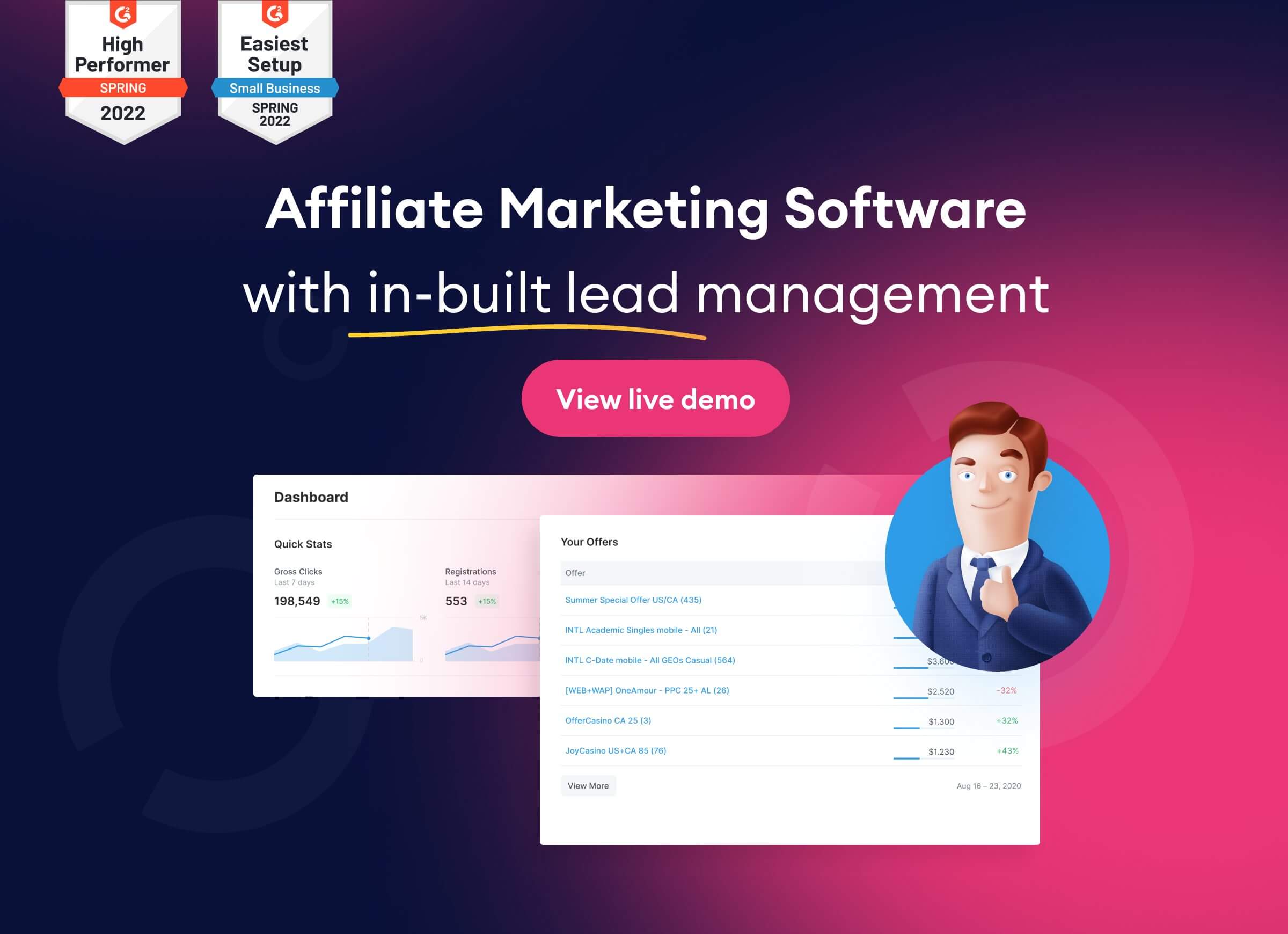
If your next step is moving from theory to execution, make sure your platform is ready for the grunt work—event ingestion, rules, roles, reporting, and payments—so your team can focus on the moments that build loyalty instead of wrestling spreadsheets. That’s where a tool like Scaleo earns its keep: modern, API-first, and flexible enough to support the B2B incentives you actually want to run—without over-promising or over-promoting.