
The best paid traffic sources for iGaming campaigns can accelerate acquisition far faster than waiting for organic visibility alone. For operators, though, the real question is not simply where to buy traffic, but where to buy traffic that can be tracked, optimized, and converted profitably.
⚡ Key Takeaways
- For iGaming operators, the best traffic source is not the cheapest one. It is the one that delivers compliant, trackable, GEO-approved users at a sustainable CPA or revenue-share margin.
- Search, paid social, native, push, and media buys all have a place in the funnel, but each source behaves differently in terms of intent, approval risk, fraud exposure, and post-click quality.
- Tracking infrastructure matters as much as media buying. If attribution, postbacks, caps, redirects, or traffic segmentation are weak, even strong campaigns become unscalable.
- Operators should evaluate traffic sources using five filters: compliance, intent, cost efficiency, fraud risk, and scale potential.
- The most resilient setup is usually a mixed acquisition model: search or native for intent, paid social for reach, and retargeting plus affiliate traffic for margin efficiency.
In gambling and betting, traffic quality is never just a media-buying issue. It is also a compliance issue, a fraud-control issue, and a tracking issue. Cheap clicks that fail KYC, violate GEO restrictions, or break attribution are not cheap at all.
Ready to pick the best affiliate marketing software?
See the affiliate software in action and get a tailored solution with integrations and a growth plan. Experience the most advanced affiliate software firsthand!
This guide is written for iGaming operators, affiliate managers, and acquisition teams choosing where to invest budget across search, social, native, push, display, and affiliate-style traffic sources. The goal is simple: identify which sources can realistically support player acquisition without wrecking margins or operational sanity.
20 Best Paid Traffic Sources for iGaming Campaigns in 2026
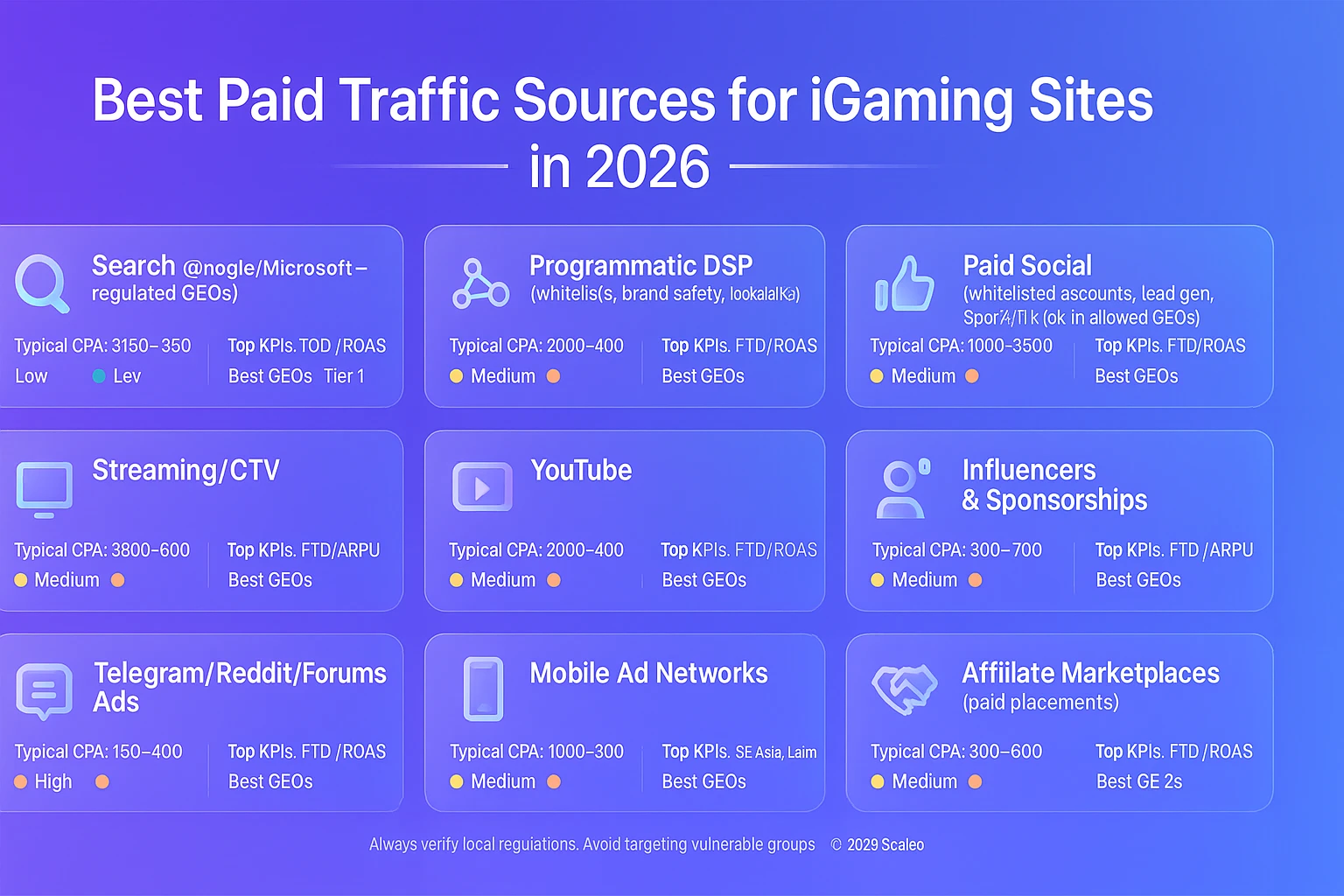
Not every ad network is equally useful for casino, sportsbook, fantasy, sweepstakes, or betting offers. Some deliver high intent but limited scale. Others offer massive reach but weak traffic quality. The right choice depends on your GEOs, product type, compliance setup, funnel maturity, and tracking stack.
| Traffic Source | Main Ad Formats | Best Use Case in iGaming | Main Watchout |
|---|---|---|---|
| Google Ads | Search, Display, YouTube | High-intent queries in permitted GEOs, brand demand capture, retargeting support | Strict gambling policy and approval limitations |
| Microsoft Advertising | Search, Audience Network | Lower-cost intent traffic, desktop-heavy audiences, selected regulated markets | Lower volume than Google |
| Meta Ads | Feed, Stories, Reels, lead flows | Awareness, retargeting, pre-lander funnels, community-style creative | Policy sensitivity and account risk |
| TikTok Ads | In-Feed, Spark, TopView | Top-of-funnel reach, younger audiences, aggressive creative testing | Weak fit for heavily regulated direct-response flows |
| X Ads | Promoted posts, video, conversation placement | Crypto casino, sports, betting news, event-led promotion | Creative fatigue and uneven conversion quality |
| Reddit Ads | Conversation ads, feed placements | Niche betting communities, sportsbook talk, intent-heavy discussion spaces | Audience skepticism if the ad looks too polished or salesy |
| YouTube Ads | In-stream, Shorts, video action campaigns | Brand education, trust building, remarketing pools | Requires stronger creative and landing-page alignment |
| Taboola | Native widgets | Advertorial funnels, pre-landers, broad testing across multiple GEOs | Headline quality drives results; weak creatives burn spend fast |
| Outbrain | Native placements | Premium-publisher native traffic for softer educational funnels | Can be expensive if the funnel is not tuned |
| MGID | Native widgets | Tier-2 and Tier-3 GEO scaling, broad-volume testing | Quality varies sharply by placement and whitelist discipline |
| Revcontent | Native widgets | Content-led acquisition and mid-funnel discovery | Needs strong pre-lander storytelling |
| PropellerAds | Push, interstitial, pop, display | High-volume testing, push-led campaigns, wider GEO reach | Fraud control and source filtering are non-negotiable |
| Push.House | Push notifications | Fast testing for offers that convert with urgency or bonuses | Traffic can decay quickly without refresh and segmentation |
| Zeropark | Domain redirect, push, pop | Type-in and redirect traffic for sharp funnels and fast feedback loops | Needs very disciplined tracking and exclusion logic |
| ExoClick | Display, native, video | Large-volume international reach, aggressive campaign scaling | Placement quality must be controlled tightly |
| TrafficJunky | Display, video | Specific entertainment-adjacent acquisition models | Not suitable for every brand or compliance framework |
| Direct Media Buys | Banners, homepage takeovers, newsletters | Premium placements on sports, odds, casino-review, or tipster sites | Inventory quality and real audience validation matter more than pitch decks |
| Affiliate Traffic | CPA, RevShare, Hybrid deals | Partner-led acquisition with controlled economics | Requires strong fraud logic, attribution, and partner governance |
| Influencer / Streamer Buys | Video, social posts, sponsorships | Brand-led awareness and trust transfer in selected niches | Attribution can get messy without promo-code and postback structure |
| Email / Newsletter Sponsorships | Dedicated sends, inserts, sponsorship blocks | High-intent segmented audiences in sports, trading, or casino-adjacent niches | List quality varies massively |
For operators, the winning move is rarely “pick one source and pray.” It is usually test small, track hard, blacklist aggressively, and scale only the sources that hold quality after KYC, deposit, and retention filtering.
How Should Operators Evaluate Paid Traffic Sources?
Paid traffic in iGaming should be judged on business outcomes, not vanity metrics. A source that sends cheap first clicks but weak first-time depositors can easily lose to a more expensive source that produces better player value and cleaner attribution.
| Evaluation Factor | What to Check | Why It Matters |
|---|---|---|
| Compliance Fit | GEO eligibility, local ad restrictions, brand safety, landing-page policy compliance | Unapproved traffic never scales safely |
| Intent Quality | Search intent, offer match, audience maturity, funnel depth | Intent decides conversion efficiency |
| Tracking Reliability | Postbacks, click IDs, redirects, attribution windows, deduplication | Without accurate data, optimization becomes guesswork |
| Fraud Exposure | Bot risk, incentivized traffic, duplicate registrations, source transparency | Bad traffic damages both budgets and partner trust |
| Scale Potential | Available volume, creative refresh needs, GEO expansion room | Some “winning” sources are too small to matter commercially |
| Retention Quality | FTD rate, KYC pass rate, NGR quality, churn behavior | Operators do not buy clicks; they buy future value |
Why Paid Traffic Matters for iGaming Operators
Organic acquisition is valuable, but it is slower, less predictable, and heavily dependent on ranking volatility. Paid traffic gives operators speed. It lets teams test new GEOs, new creatives, new funnels, and new bonus angles without waiting months for SEO to compound.
More importantly, paid media can reveal what the market wants long before a content strategy catches up. Operators can learn which audiences react to sports-led messaging, which regions prefer casino-focused creative, and which pre-lander structures improve first-time deposit rates.
That speed is powerful only when the back end is ready for it. If your platform cannot attribute traffic correctly, enforce caps, filter suspicious clicks, and separate partner quality by source, scaling becomes expensive guesswork.
Is Paid Traffic Better Than Organic Traffic?

Not better. Just different.
Organic traffic is stronger for long-term authority, lower blended CAC over time, and broad informational discovery. Paid traffic is stronger for speed, controlled testing, and immediate acquisition. The operator-grade answer is to use both, but give each channel a clear job.
SEO should own education, comparison intent, and long-tail problem solving. Paid traffic should own demand capture, remarketing, launch support, GEO testing, and fast scaling when a funnel proves itself.
Teams that confuse those roles usually overspend. Teams that define them clearly tend to build a more durable acquisition engine.
3 Main Types of Paid Traffic Sources for iGaming
Most operator acquisition programs still rely on three core paid traffic models: intent-based traffic, audience-based traffic, and placement-based traffic. They behave differently and should not be optimized the same way.

1. Search and PPC Traffic
Search traffic is where intent is usually strongest. When a user searches for betting odds, casino bonuses, or sportsbook-related terms in an approved market, they are already expressing demand. That makes search one of the cleanest paid channels for operators who can satisfy policy requirements and track performance accurately.
Search also tends to expose technical weaknesses quickly. Loose attribution, broken postbacks, poor landing-page speed, or unclear geo-routing will show up fast when you start paying for intent traffic.
Best for: demand capture, brand defense, approved GEO testing, retargeting pools, high-intent acquisition.
Main risk: policy restrictions and rising costs can punish teams that treat gambling paid search like ordinary eCommerce buying.
2. Paid Social Traffic
Paid social is less about explicit search intent and more about creative-led demand generation. That makes it useful for awareness, retargeting, and upper-funnel discovery, especially when the product needs a softer pre-lander or education step before conversion.
For iGaming, paid social can work well when the campaign is carefully localized, brand-safe, and aligned with the platform’s rules. It can also fail spectacularly when advertisers push direct-response logic into channels that are more sensitive to compliance and creative context.
In practice, social works best when operators use it to build qualified audiences, test hooks, and support retargeting flows—not as a magical replacement for intent-led traffic.
3. Native, Push, and Media-Buy Traffic
This category is where many iGaming brands find scale. Native networks, push traffic, direct publisher deals, and selected display buys can open volume that search and paid social simply cannot provide. But that extra scale comes with higher operational demands.
Native and push tend to reward teams that are disciplined with whitelists, blacklists, fraud checks, creative refreshes, and post-click funnel testing. Operators that treat them casually often get cheap traffic and expensive disappointment.
Best for: broad-volume testing, advertorial funnels, GEO scaling, push-led urgency campaigns, direct placements with niche publishers.
Main risk: source quality varies dramatically, so filtering logic and attribution controls are mandatory.
Best Paid Traffic Sources: Operator Review
Below are the traffic sources operators most commonly evaluate when building a serious acquisition mix. The point is not to crown a universal winner. The point is to understand where each source fits in a modern iGaming funnel.
Google Ads
Google Ads remains one of the strongest channels for intent-driven traffic where gambling promotion is permitted and properly set up. It is particularly useful for operators who want to capture demand already present in the market rather than manufacture it from scratch.
The catch is obvious: Google is powerful, but unforgiving. Policy alignment, GEO restrictions, landing-page quality, and conversion tracking all have to be tightly managed. For iGaming teams, this is not a forgiving sandbox for sloppy execution.
Where it shines
- High-intent acquisition in approved markets
- Brand protection against competitors and affiliates bidding around your demand
- Retargeting and YouTube-assisted funnel support
- Fast feedback on keyword-level conversion quality
Where it bites
- Policy restrictions can block or limit scaling
- Costs rise fast when account structure and negative filtering are weak
- Tracking errors can make a profitable campaign look unprofitable, or the reverse
Microsoft Advertising
Microsoft Advertising is often treated as Google’s smaller cousin, but for operators that can run there, it can be a very sensible testing ground. Traffic volume is lower, yet cost efficiency can be better and competition is often softer.
It is especially useful when an operator wants search intent without immediately paying peak-Google prices for every lesson.
Pros
- Often lower CPC pressure than Google
- Useful for desktop-heavy and older audience segments
- Simple expansion path if you already run structured search campaigns elsewhere
Cons
- Lower total reach
- Less room to scale once you hit the pocket of available demand
- Still requires clean compliance and tracking discipline
X Ads
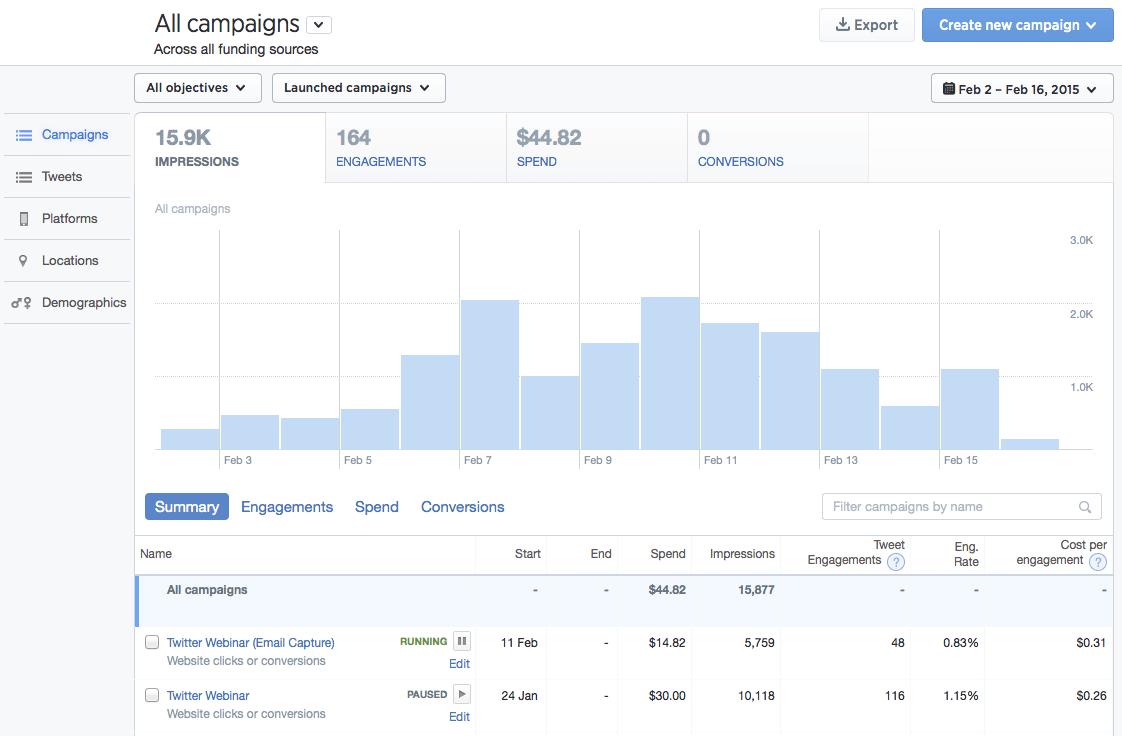
X can be useful for betting-adjacent conversation, sports narratives, event moments, and crypto-gambling communities. It is not always a primary conversion engine, but it can support discovery, commentary-led campaigns, and remarketing-style visibility.
The channel tends to reward advertisers who understand audience culture. Generic brand messaging usually performs badly. Timely, sharp, conversation-native creative performs much better.
Best for: sports moments, betting commentary, crypto-adjacent audiences, and awareness-led amplification.
Not ideal for: operators expecting calm, evergreen, plug-and-play conversion flows.
LinkedIn Ads
LinkedIn is rarely a direct player-acquisition channel for operators. It is relevant for B2B iGaming campaigns targeting decision-makers: operators, affiliate managers, acquisition heads, and C-level buyers evaluating software, services, partnerships, or migration support.
That makes LinkedIn useful if your campaign goal is not player acquisition itself, but operator acquisition—for example, promoting affiliate software, platform migrations, fraud-prevention infrastructure, or program-management solutions.
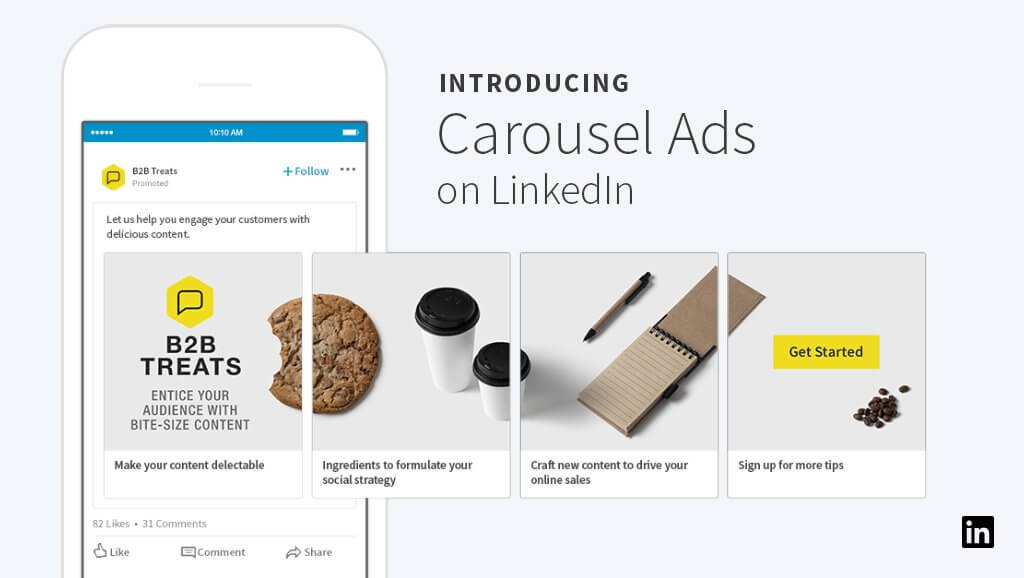
Best for: software vendors, partnership outreach, operator education, event-led B2B campaigns.
Main drawback: expensive clicks and smaller relevant audiences compared to consumer-facing media channels.
Meta Ads
Meta remains one of the most flexible ad ecosystems for building awareness, feeding retargeting pools, testing hooks, and supporting pre-lander-based acquisition. For iGaming, its usefulness depends heavily on offer structure, GEO compliance, and creative subtlety.
Operators who succeed on Meta usually avoid brute-force direct response. They lean on audience shaping, softer messaging, angle testing, and careful conversion path design.
Why operators use it
- Huge reach and strong audience segmentation
- Useful for retargeting and creative iteration
- Good support channel for wider multi-touch acquisition
Why operators get burned
- Policy sensitivity can limit account stability
- Broad traffic without strong funnel qualification can look cheaper than it really is
- Weak attribution can hide whether social is assisting or actually closing conversions
Which Traffic Source Fits Which Goal?
| Goal | Best-Fit Sources | Operator Note |
|---|---|---|
| Capture active intent | Google Ads, Microsoft Advertising | Best when compliance and tracking are already mature |
| Build awareness fast | Meta, TikTok, YouTube, X | Creative and geo-policy alignment decide viability |
| Scale through content-led funnels | Taboola, Outbrain, MGID, Revcontent | Pre-landers and advertorial quality matter more than raw CTR |
| Push broad-volume testing | PropellerAds, Push.House, Zeropark, ExoClick | Blacklist discipline and fraud controls are essential |
| Acquire through partners | Affiliate traffic, direct media buys, newsletters, influencer deals | Needs clear commercial terms, attribution logic, and ongoing QA |
| Sell B2B software to operators | LinkedIn Ads, Google Search, niche publisher sponsorships | Useful for software vendors and operator-facing service brands |
Common Mistakes Operators Make with Paid Traffic
- Buying traffic before fixing attribution. If postbacks, click IDs, and source-level reporting are unreliable, optimization becomes theater.
- Judging traffic on registrations alone. Deposits, KYC pass rate, retention, and net revenue quality matter more.
- Scaling too early. A source that works for 100 conversions may collapse at 1,000 if placement quality changes.
- Ignoring fraud controls. iGaming campaigns attract abuse. Anti-fraud logic should not be an afterthought.
- Treating every GEO the same. Creative, compliance, and conversion behavior differ sharply by market.
- Confusing “cheap” with “profitable.” Low CPC traffic can be the most expensive traffic on the sheet once quality is filtered.
Conclusion
The best paid traffic source for an iGaming campaign depends on what you are trying to achieve and what your infrastructure can actually support. Search works when you need intent. Social works when you need reach and audience building. Native, push, and media buys work when you need scale and can control quality tightly.
For operators, the more useful question is this: Which source can deliver compliant, attributable, fraud-checked players at a margin you can keep scaling? That is the standard worth optimizing for.
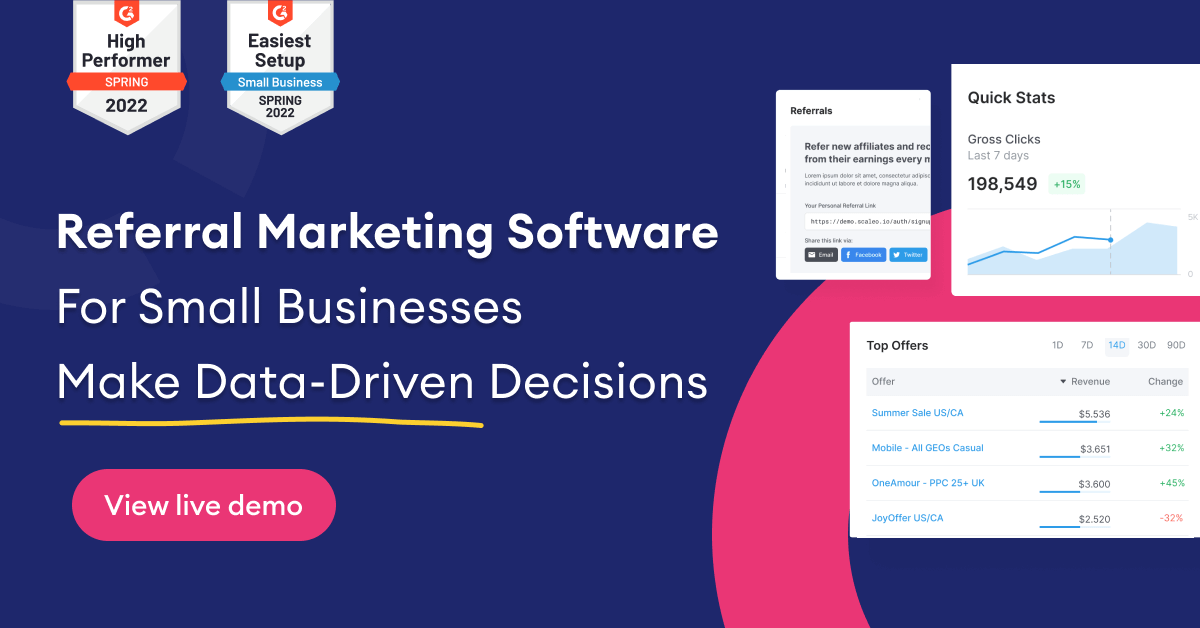
If your acquisition mix includes affiliates, paid media, or hybrid partner campaigns, the traffic source is only half the equation. The other half is whether your tracking platform can validate clicks, process postbacks correctly, route offers intelligently, enforce caps, and show which sources are truly producing value.
FAQ
What are the best paid traffic sources for iGaming operators?
For most iGaming operators, the strongest paid traffic mix includes search, native, paid social, retargeting, and partner-led affiliate traffic. The best source depends on GEO restrictions, product type, audience intent, and how reliably traffic quality can be tracked after click, registration, KYC, and deposit.
Which paid traffic source usually has the highest intent?
Search traffic usually has the highest direct intent because the user is actively looking for a betting, casino, or related offer. In approved markets, Google Ads and Microsoft Advertising can be strong intent channels, but only if compliance, landing pages, and attribution are handled correctly.
Are native and push traffic good for gambling campaigns?
They can be. Native and push traffic are often useful for scale, advertorial funnels, and broad GEO testing. However, they need tighter quality control than search traffic, especially around blacklist management, fraud filtering, placement quality, and post-click funnel performance.
Why do operators lose money even when traffic volume looks strong?
Operators usually lose money when they optimize for volume instead of quality. Cheap clicks, weak KYC pass rates, broken postbacks, duplicate registrations, poor GEO filtering, or low-value depositors can make a campaign look healthy at the top of the funnel while destroying margin at the bottom.
What should operators measure before scaling a traffic source?
Before scaling, operators should check attribution accuracy, registration quality, first-time deposit rate, KYC pass rate, fraud indicators, source-level ROI, and retention quality. A source that works only at the click level is not enough. It has to hold up after conversion and revenue validation too.