

Offer caps play a crucial role in enhancing the performance of an affiliate program. As a program manager, understanding and effectively managing these caps is essential to optimizing campaign results and ensuring a successful and profitable program.
Offer caps limit how often a customer can receive a given offer or promotion. They help limit the amount of time and budget spent on offers and can also reduce customer fatigue from seeing the same old offers.
The key to successful offer cap management is balancing conversion optimization and customer experience. You want your customers to get the best deals possible, but you also don’t want to bombard them with too many offers or repeat the same offer too frequently.
In this article, we’ll discuss strategies for effective offer cap management to increase conversions and improve your affiliate program’s performance.
12 Offer Caps Management Strategies to Boost Affiliate Program Performance
| Strategy | Description |
|---|---|
| 1. Dynamic Cap Adjustments | Adjust caps in real-time based on performance metrics, traffic quality, and conversion rates. |
| 2. Time-Based Caps | Set caps for specific time frames (daily, weekly, or monthly) to manage budgets and optimize traffic flow. |
| 3. Traffic Source Segmentation | Apply different caps based on the quality of traffic sources, such as SEO, paid, or direct traffic. |
| 4. Priority Allocation | Allocate higher caps to high-performing affiliates to maximize their potential and program profitability. |
| 5. Performance-Based Scaling | Increase caps gradually for affiliates who consistently meet quality and performance criteria. |
| 6. Tiered Cap Systems | Implement tiered caps that allow affiliates to unlock higher caps based on their performance milestones. |
| 7. Geo-Specific Caps | Customize caps for specific geographical locations to match market demand and budget allocation. |
| 8. Seasonal Cap Adjustments | Adjust caps during peak seasons or promotional periods to leverage high-demand opportunities. |
| 9. Fraud Prevention Caps | Set caps to limit traffic from high-risk sources or affiliates with questionable behaviors. |
| 10. Budget Cap Integration | Sync offer caps with overall marketing budgets to maintain cost control and strategic alignment. |
| 11. Cap Notifications and Alerts | Implement automated notifications to inform affiliates when they are approaching cap limits. |
| 12. Data-Driven Cap Optimization | Use analytics to review and adjust caps based on conversion rates, ROI, and other performance indicators. |
Why Implement Offer Caps in Your Affiliate Program?
Offer caps look simple on paper—set a maximum and you’re done.
In reality, caps are the heartbeat of budget control, traffic quality, partner fairness, and fraud prevention. Get them wrong and you throttle your best affiliates, reward low-quality volume, and burn budget before midday. Get them right and you pace spend, prioritize profitable sources, and keep your top partners hungry without starving newcomers.
Here’s the bottom line: caps aren’t just guardrails; they’re levers.
Treat them as such.
When it comes to your affiliate program, implementing an offer cap management strategy can play a crucial role in optimizing performance. Offer caps ensure that only the most valuable leads are attracted while preventing overspending and burnout.

Here are just a few of the benefits of having an effective offer caps management strategy:
- Keep Your Budget: An effective offer cap management system allows you to preset budget limits and monitor spending on a daily basis. This ensures you stay within budget and don’t overspend on leads that may not be profitable for your business.
- Target Quality Leads: Utilizing offer caps lets you target leads who fit specific criteria and will likely convert into paying customers. This increases the chance that your business will acquire quality leads with limited resources.
- Maximize Ad Performance: Careful monitoring of your affiliate program can identify successful campaigns and adjust or increase your spending accordingly to maximize ad performance. This allows you to increase ROI and ensure the best results from your campaigns.
12 Offer Caps Management Strategies to Boost Affiliate Program Performance

Offer caps 101: definitions that matter
Offer caps define the maximum allowable conversions, events, or spend an offer can accept within a defined window (hour/day/week/month). Caps can apply at several layers simultaneously: global (offer-wide), affiliate-level, subID/source-level, GEO/device-level, and even at step-level (e.g., registrations vs. FTDs vs. paid seats in B2B). The sophistication comes from how those layers interact, and how the system reallocates capacity when conditions change.
Strategy 1: Dynamic cap adjustments in real time
Static caps assume static markets—rare in performance marketing. Use live blend metrics (EPC, approval rate, eCPA vs. target, LTV-to-CAC ratio) to dynamically raise or lower caps by affiliate and source. For instance, increase an affiliate’s daily cap by +15% automatically when their rolling-24h eCPA ≤ target by 10% and chargeback rate ≤ threshold; decrease by -25% on the opposite condition. It’s frustrating when a hot source gets throttled at noon because a static number was hit. Don’t let that happen.
Strategy 2: Time-based pacing, not just time-based caps
Daily caps without pacing invite “cap crashes” before lunch. Introduce hourly pacing that adapts to intraday conversion curves. If your historical distribution says 35% of conversions land after 6 p.m., reserve capacity. A simple controller works:
- Compute remaining-capacity ÷ remaining-hours to get a baseline hour cap.
- Multiply by a daypart weight (derived from historical curves) to bias capacity toward peak hours.
This avoids blowing through budget during cheap morning clicks and missing prime-time buyers.
Strategy 3: Traffic source segmentation with cap tiers
Not all clicks deserve the same headroom. Segment by channel (SEO, paid social, influencers, email, native), device, and placement. Assign higher caps to sources with consistently lower eCPA and better LTV; keep probationary, high-variance sources on tighter leash with “growth ladders” (e.g., start at 25/day, step to 50/100 when quality thresholds are met). Picture an affiliate manager juggling multiple attribution models—source-tiered caps bring order to chaos.
Strategy 4: Priority allocation for proven partners
When multiple partners request the last unit of capacity in a window, who wins? Put a priority queue in front of the cap. Rank by blended score: (LTV/CAC weight) + (refund risk penalty) + (compliance score) and allocate remaining units accordingly. It’s surprising how many programs default to first-come-first-served and accidentally disincentivize their best traffic. Reward quality with priority.
Strategy 5: Performance-based scaling ladders
Tie cap unlocks to milestones that actually correlate with profit. Example ladder:
- Tier 1 (Cap 25/day): eCPA within +20% of target, approval rate ≥ 75% for 3 days
- Tier 2 (Cap 60/day): eCPA within +10% of target, approval ≥ 80%, chargebacks ≤ 2%
- Tier 3 (Cap 150/day): eCPA ≤ target, approval ≥ 85%, cohort LTV ≥ floor after 14 days
Automate promotions/demotions nightly. No manual debates, less politics, more performance.
Strategy 6: Tiered cap systems by conversion step
Cap the funnel in layers. Example for gaming or SaaS: registrations, qualified events (KYC or trial activation), and paying actions (FTD or subscription). Assign “soft caps” to top-funnel (auto-throttle only if mid-funnel lags) and “hard caps” to payout-triggering events. This balances volume appetite with payout discipline and catches “sign-up farms” before they cost you real money.
Strategy 7: GEO-specific caps and elasticity
Demand and quality vary by market. Set GEO bands with their own budgets and guardrails. Use price elasticity insights: if increasing the payout +10% in DACH lifts CR by +3% but tanks profit, keep caps tight and price steady; if LATAM responds with +15% CR and stable eCPA, expand both price and caps. Have you considered the downstream impact of blending geos in one global cap? Don’t; it hides trouble.
Strategy 8: Seasonal and event-driven cap rules
Seasonality is real. Sports calendars, holidays, payday cycles—each shifts conversion curves. Predefine “event modes” with higher hourly caps, different daypart weights, and pre-approved budget expansions. Lock creative and compliance checks ahead of time so you can scale during the window, not after it closes. Nothing is more annoying than missing a spike because approvals lagged.
Strategy 9: Fraud-prevention caps and kill switches
Caps are a powerful anti-fraud throttle. Set micro-caps for high-risk combinations—e.g., new affiliate + emulator devices + data-center IP ranges = max 5 events/hour pending review. Use anomaly detection to trigger temporary cap clamps: 3× baseline conversion velocity, identical device fingerprints, payout clustering at the same minute—tighten the tap automatically and route to manual review. Here’s the bottom line when dealing with attribution disputes: keep explainable logs of why the system throttled.
Strategy 10: Budget-synced caps and marginal CPA math
Caps without budget math are theater. Tie cap engines to finance so each accepted conversion reserves budget at the expected CPA. When expected marginal CPA exceeds target (after factoring refunds/voids), reduce hourly caps until ROAS is back in band. A simple guardrail:If rolling eCPA / target eCPA ≥ 1.15 for 2 consecutive hours → reduce cap by 20%If ≤ 0.9 for 4 hours → increase by 15%
This keeps programs from silently drifting unprofitable.
Strategy 11: Notifications, transparency, and fairness
Nothing irritates partners like mystery throttles. Send proactive alerts at 70%, 90%, and 100% of cap with the projected time-to-cap and advice (“shift to GEO B after 18:00; extra 30 units available on request if quality holds”). Publish the rules of promotion/demotion and stick to them. You’ll see engagement and trust jump immediately.
Strategy 12: Data-driven optimization loops
Caps are not “set and forget.” Review weekly cohort performance by affiliate, source, GEO, and device. Correlate cap levels with quality drift. Sometimes the cap was too generous; sometimes you starved a winner. Build a quarterly “caps post-mortem” that asks: where did we leave money on the table, and where did we pay for noise? Frankly, this is critical—absolutely critical.
Determining the Right Offer Caps for Your Program
As we have already mentioned, offer caps management is setting limits on the number of times an affiliate can earn a commission from a given promotion. It’s an important tool for optimizing affiliate program performance and maximizing ROI.
Determining the right caps for your program is key to successful offer caps management.
Here are some tips to help you do just that:
- Set Offer Caps for Each Affiliate: Each affiliate in your program should be limited to a set number of offers over some time. This will ensure that no one affiliate monopolizes the program, giving you more control over who gets the commissions.
- Track Conversion Rates: The conversion rate from each affiliate’s promotional efforts is a key factor in determining your offer caps. Monitor it carefully so you can adjust it accordingly if necessary.
- Set Reasonable Goals: Set reasonable goals for setting offer caps and evaluating their effectiveness. If you set too low of a cap, affiliates won’t be motivated to promote your product or service; if you set too high, it could negatively impact ROI and performance metrics.
By keeping these tips in mind, you can establish effective offer caps for your business that will maximize the success of your affiliate program and overall performance.
Setting Offer Caps to Prevent Fraud
Ah, affiliate fraud is everywhere!
Setting limits on the number of times a partner can reach a particular offer can limit the possibility of fraud and remain profitable and secure.
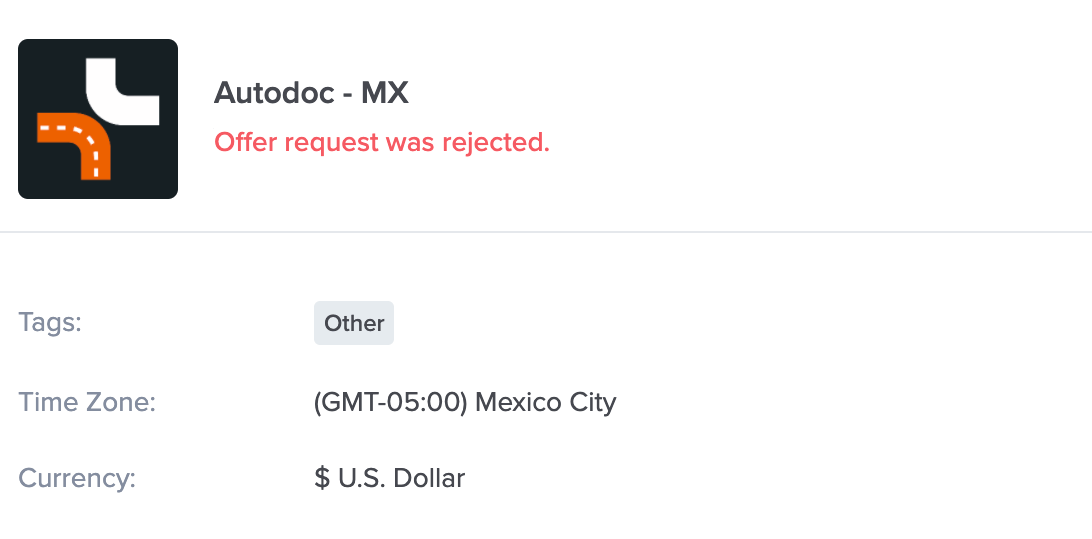
However, having too few Offer Caps or none at all can be just as bad as having too many. Here are a few tips to help you properly manage your Offer Caps:
Start With A Low Limit
To begin with, set your maximum allowable caps for each offer to a lower number. This will give you a baseline for how many conversions an offer will likely generate before fraud becomes an issue.
Monitor Performance Over Time
Observing your program’s performance over time can help you determine if an offer is generating too many conversions due to fraud (not legitimate customers). Adjusting the associated cap limit may be worthwhile if the number of conversions increases drastically compared to previous performance.
Utilize Multiple Offer Caps Strategies
Instead of using just one limit across your entire program, consider segmenting offers into different tiers based on their conversion challenges. This gives you more control over managing each type of offer separately and prevents large numbers of fraudulent transactions from entering your system all at once.
Using Offer Caps to Increase Exclusivity
Offer Caps help create an atmosphere of exclusivity. By setting limits on the amount of money a partner can receive from an offer, they encourage affiliate partners to focus their efforts and create higher-quality campaigns.

This exclusivity helps to boost the performance of such affiliates as they receive more rewards for their efforts. You, as the advertiser, can also benefit from long-term collaborations with your strongest performers, allowing you to reap further benefits from well-established affiliate networks.
Advantages of Offer Caps in an Affiliate Program
When setting up adequate Offer Caps, you can expect the following advantages:
- Enhancing performance by limiting costs and preventing waste.
- Refining campaigns for more effective results by putting a tighter lid on marketing costs.
- Increasing ROI by carefully monitoring each offer and capitalizing on efficient campaigns with reduced risk of fraud or overspending.
- Ensuring long-term success by having partners focus on specific offers and create higher-quality campaigns that result in robust returns over time.
Example of Offer Caps Setting in Affiliate Program
Here’s a practical example of how offer caps management works in an affiliate program:
Suppose you’re an advertiser running an affiliate program for your e-commerce store. You have a budget of $10,000 per month for the affiliate program and want to ensure your costs don’t exceed this amount. You decide to offer your affiliates a commission of $20 per sale.
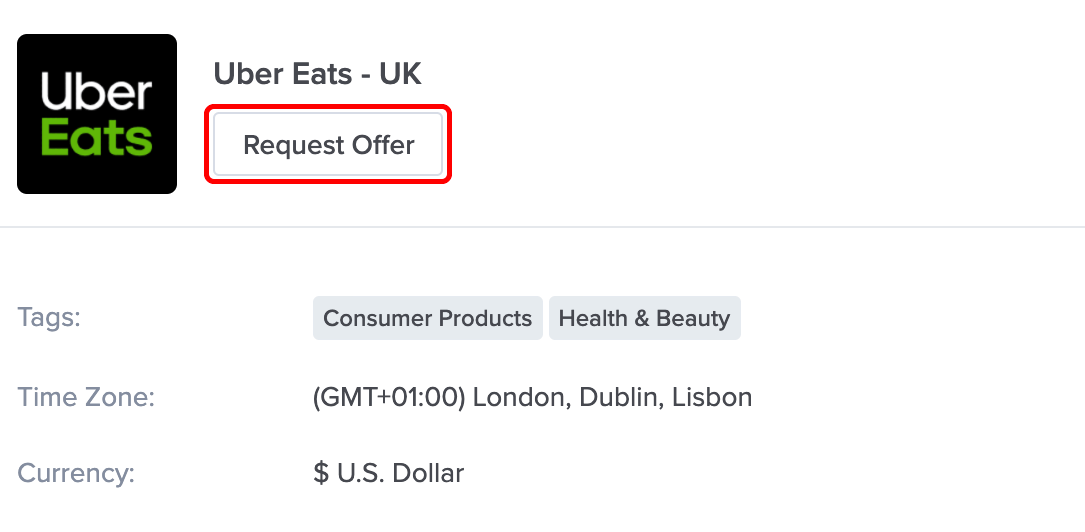
You need to set an offer cap to manage your budget and prevent exceeding the allocated amount. In this case, you can calculate the maximum number of sales (or conversions) you can afford within your budget:
Offer Cap = Monthly Budget / Commission per Sale Offer Cap = $10,000 / $20 Offer Cap = 500
In this example, you would set an offer cap of 500 monthly sales for your affiliate program. This means that once your affiliates collectively generate 500 sales in a month, the offer will be paused or closed for the remainder of that month.
This way, you can control your expenses and ensure you don’t exceed your budget.
Monitoring the Effectiveness of Your Offer Caps
Careful monitoring of your offer caps is essential to ensure they deliver the desired performance. You can track how offers are performing on an ongoing basis and make adjustments as needed. Here are some key metrics to consider:
Conversion Rates
Monitor your offers’ conversion rates to determine their effectiveness in driving conversions. If the rate is low, it may indicate that certain caps should be adjusted or removed altogether.
Quality of Results
Pay close attention to the quality of results – both in terms of clicks and revenue. Are low-performing offers impacting overall performance? Are there any outliers that are underperforming compared to other offers? Keep an eye on these metrics and adjust offer caps accordingly if needed.
Affiliate Spend
It’s important to monitor the total amount paid for each offer. If you’re spending more than you intended, it may be time to reduce or remove certain offer caps to bring spending back in line with your budget.
By monitoring these metrics regularly, you can ensure that your offer caps management strategies are delivering the desired results and helping to boost affiliate program performance.
Communicating Offer Cap Changes to Your Affiliates
Having an effective strategy in place to manage offer caps helps boost affiliate program performance and is critical to maintaining your affiliates’ trust. This can be achieved by clearly communicating any changes in offer cap policy to your affiliates and ensuring they understand their rationale.
Establish a System
Set up a system that enables you to alert all affiliates of any changes quickly so they have time to adjust their strategies and make the most out of their campaigns. You can use newsletters, notification emails, or any other direct communication tool.
Provide Explanations
When communicating offer cap changes, make sure to explain why these adjustments are necessary and how they will impact the affiliate’s business. This will show that you value their input and really take the time to ensure that their best interests are taken into account.
Address Questions Quickly
After informing your affiliates about offer cap adjustments, expect questions, so make sure you have someone ready on hand to address all inquiries promptly and thoroughly. Your affiliates will then be more likely to stay loyal and engaged with your program despite such changes.
Why Manage Your Affiliate Program with Scaleo?
Scaleo, a leading affiliate marketing software, is an excellent choice for companies looking to scale their affiliate programs effectively and efficiently. Its flexibility and customization capabilities set it apart from other solutions in the market.
With Scaleo, businesses can customize offer caps to better manage their budget and campaign performance and modify over 100 other parameters of their offers. This level of customization allows for precise targeting, improved tracking, and better optimization of their affiliate marketing efforts.
By leveraging the powerful features and tools provided by Scaleo, companies can successfully grow their affiliate programs while maintaining control over their budget and performance, making it an ideal solution for businesses of all sizes.
With its powerful tools and advanced capabilities, Scaleo is a great choice for affiliate marketers aiming to manage their offer caps and performance goals.
Whether you’re an individual with a small team or a large enterprise organization, Scaleo’s offer caps management platform can help improve your affiliate program’s efficiency and maximize performance.
Automation
Scaleo’s automation capabilities allow you to set up rules-based offer caps so that you don’t have to set limits each time manually there’s an increase in sales. This reduces the time spent on manual adjustments and lets you spend more time focused on optimization strategies.
Visibility
Scaleo also offers visibility into how your affiliates are performing regarding their respective offer caps. You can easily monitor your affiliates’ performance with a clear view of their total sales volume and other metrics, like the cost of acquisition or revenue margins. With scalability metrics like these in place, you can quickly determine which affiliates outperform the others and make necessary changes faster to increase overall performance.
Real-Time Reporting & Analytics
Finally, Scaleo provides real-time reporting and analytics tools that let you track key metrics over time.
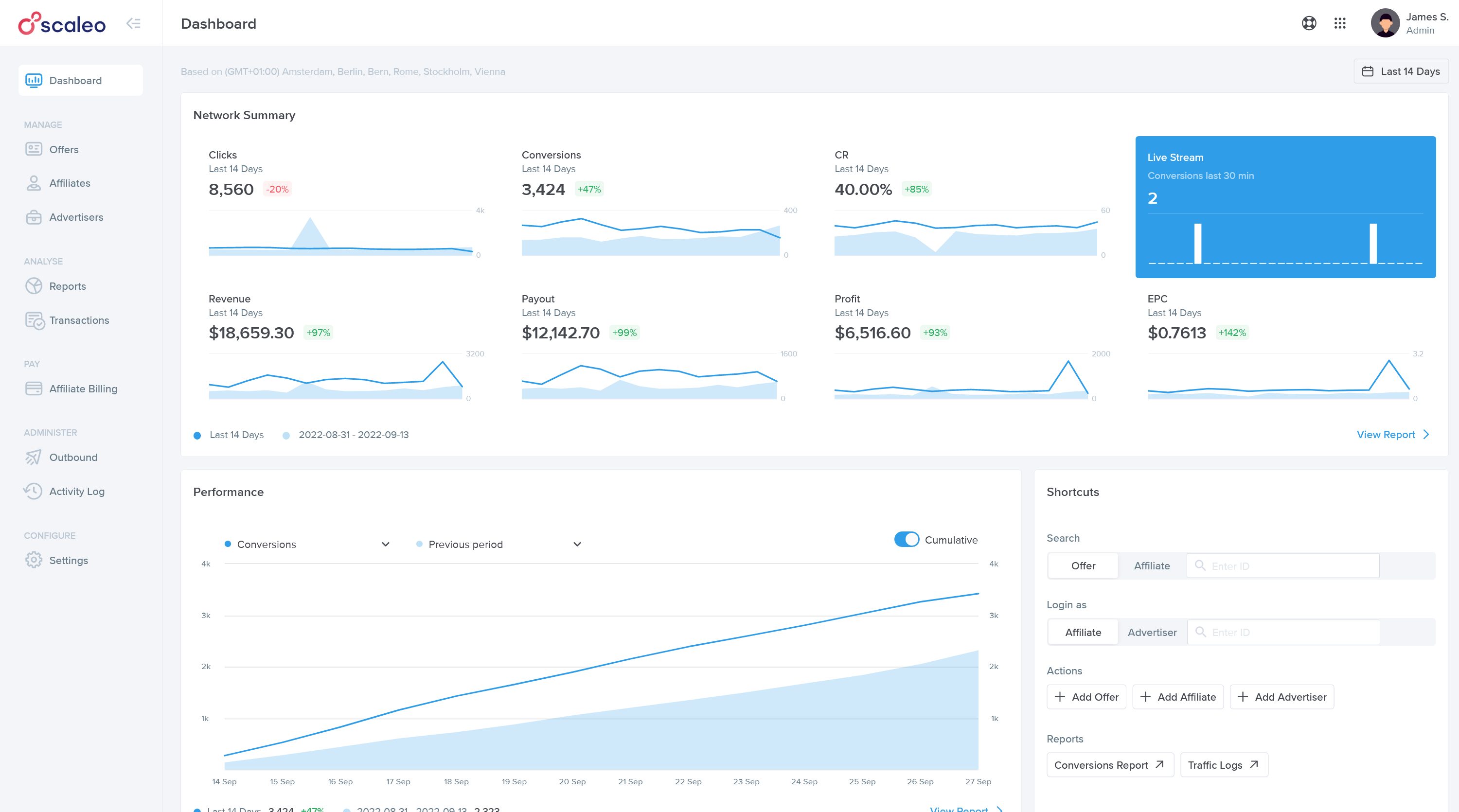
With these powerful insights, you’ll be able to analyze data trends and identify potential areas for improvement or opportunities for adjustments.
Offer Caps Strategies and What They Fix
| Strategy | Core lever | Primary benefit | Typical pitfall it avoids |
|---|---|---|---|
| Dynamic adjustments | Real-time KPI thresholds | Keeps winners scaling, shuts losers fast | Midday throttles and stale limits |
| Time-based pacing | Intraday distribution | Capacity available at peak hours | Blowing cap in the morning |
| Source segmentation | Channel/device tiers | Quality-first allocation | Rewarding cheap volume |
| Priority allocation | Score-based queue | Protects LTV and ROI | First-come-first-served bias |
| Performance ladders | Milestone gates | Merit-based growth | Politics and guesswork |
| Step-tier caps | Funnel layering | Payout discipline | Paying for top-funnel spam |
| GEO-specific caps | Market bands | Demand-aligned budget | Hiding GEO losers in global caps |
| Seasonal rules | Event modes | Ready-to-scale windows | Missing peaks due to process |
| Fraud caps | Micro-caps + kill switch | Early containment | Expensive cleanup after the fact |
| Budget-synced caps | Marginal CPA guardrails | ROAS stability | Overspend drift |
| Notifications | Transparent comms | Higher partner trust | “Invisible ceiling” frustration |
| Optimization loop | Cohort reviews | Continuous uplift | Set-and-forget stagnation |
Practical cap setups that actually work
A pragmatic daily setup for a high-volume offer might look like this:
- Global daily cap: 2,500 pay events (hard)
- Hourly pacing: target curve applying 0.6–1.5× weights by hour, updating every 30 minutes
- Affiliate caps: default 50/day; growth ladder to 100/250/500 based on rolling eCPA and approval rate
- SubID caps: max 30/day per subID until 3-day quality proof
- GEO bands: Tier A 1,400/day, Tier B 800/day, Tier C 300/day; independent budgets and price points
- Kill switch: auto-throttle to 10% of prior hour if 3× velocity + fingerprint duplication detected
- Alerting: 70/90/100% notices with projected cutoff time and overflow options
Does it feel complex? It’s less complex than reconciling a blown budget and refunded conversions.
Measuring success: what to track after you change caps?
Caps management should improve economics, not just “control spend.” Track the before/after on:
- Profit per conversion and blended eCPA variance
- Cohort LTV after 30/60/90 days (or equivalent payback window)
- Approval rates and refund/chargeback incidence
- Partner retention and share of wallet (do top partners grow with you?)
- Share of conversions in peak hours vs. off-peak (pacing effectiveness)
- Fraud-induced write-offs as a percent of payout
If caps get tighter and profit lifts, good. If caps get tighter and LTV falls because you starved quality partners, revisit your priority queue and ladders.
Communicating cap changes like a pro
Have a template your team can deploy immediately: the rationale, the data trigger, the new caps, the review date, and what the affiliate can do to unlock more headroom (quality targets, new GEOs, creative angles). Transparency de-escalates tension. It also positions you as a serious counterpart who manages the program like a business, not a guessing game.
How Scaleo operationalizes offer caps (and removes the drama)
Let’s be blunt: none of the above works if your platform can’t enforce it predictably and explain it clearly. Scaleo is built to make cap management precise, transparent, and automated.
Cap controls where you need them
Create caps at global, affiliate, group, subID, GEO, device, and conversion-step levels. Apply hard or soft caps, daily or rolling windows (e.g., last 24/72 hours), and pace them hourly with customizable daypart curves. Override per partner in seconds without breaking the rule engine.
Dynamic policies, not manual toggles
Tie cap changes to performance conditions—rolling eCPA vs. target, approval rate, anomaly scores, or cohort LTV floors. Promotions and demotions run on schedule; the audit trail records the “why.” It’s policy, not whim.
Priority queues and fair allocation
When multiple partners compete for the last units, Scaleo’s allocation logic uses your scoring model (LTV/CAC, compliance, refund risk) to distribute fairly. Logs make the decision explainable to partners and finance.
Fraud-aware throttling
Real-time device, IP, and velocity checks can clamp caps automatically and route partners to review. You won’t discover a problem next week—you’ll stop it this hour.
Pacing and overflow
Set pacing curves by hour and GEO. When caps are reached, drive overflow to backup offers or alternative GEOs with preserved UTMs and transparent reporting, so affiliates keep earning and you keep control.
Budget sync and finance-grade reconciliation
Link caps to budget buckets and expected CPA. As conversions post, remaining budget updates; caps adjust; invoices align. Automated invoicing, postback logs, and exportable ledgers keep ops and finance in lockstep.
Affiliate transparency without exposing the crown jewels
Affiliates see their cap status, projected time-to-cap, and unlock criteria in a clean portal. You control the fields and messaging with advanced roles, so compliance stays comfortable and partners stay informed.
Conclusion
Caps aren’t there to police your partners. They are there to protect the economics of the program and reward the traffic that compounds value. The programs that win in 2026 are the ones that use caps as a strategy—dynamic, data-driven, and ruthlessly fair. If your current setup makes caps feel like a blunt instrument, it’s time to sharpen the toolset, automate the boring parts, and let quality rise to the top. Are your caps helping your best partners scale—or just keeping everyone equally constrained?
FAQ
What is the offer cap in the affiliate offer?
Offer caps are limits set by advertisers on the number of conversions, leads, or sales an affiliate can generate for a specific offer within a given time frame. They help manage budgets, control payouts, and maintain the quality of leads or sales generated.
How to manage offer caps effectively?
To manage offer caps effectively, you should:
1. Regularly monitor your affiliate program’s performance and track the number of conversions generated.
2 . Communicate the offer cap clearly with your affiliates, so they’re aware of the limitations and can adjust their promotional efforts accordingly.
3. Update the offer cap as needed, based on your budget, campaign objectives, or changes in commission rates.
4. Use a robust affiliate tracking platform, such as Scaleo, that can automatically track and enforce offer caps to minimize manual intervention and ensure accurate monitoring.