

Online revenue models are ceaselessly expanding. With the rise of the internet, the world is at everyone’s feet. Instead of performing monotonous tasks for a boss, you can unleash your creativity. Over time, a variety of online revenue models have emerged.
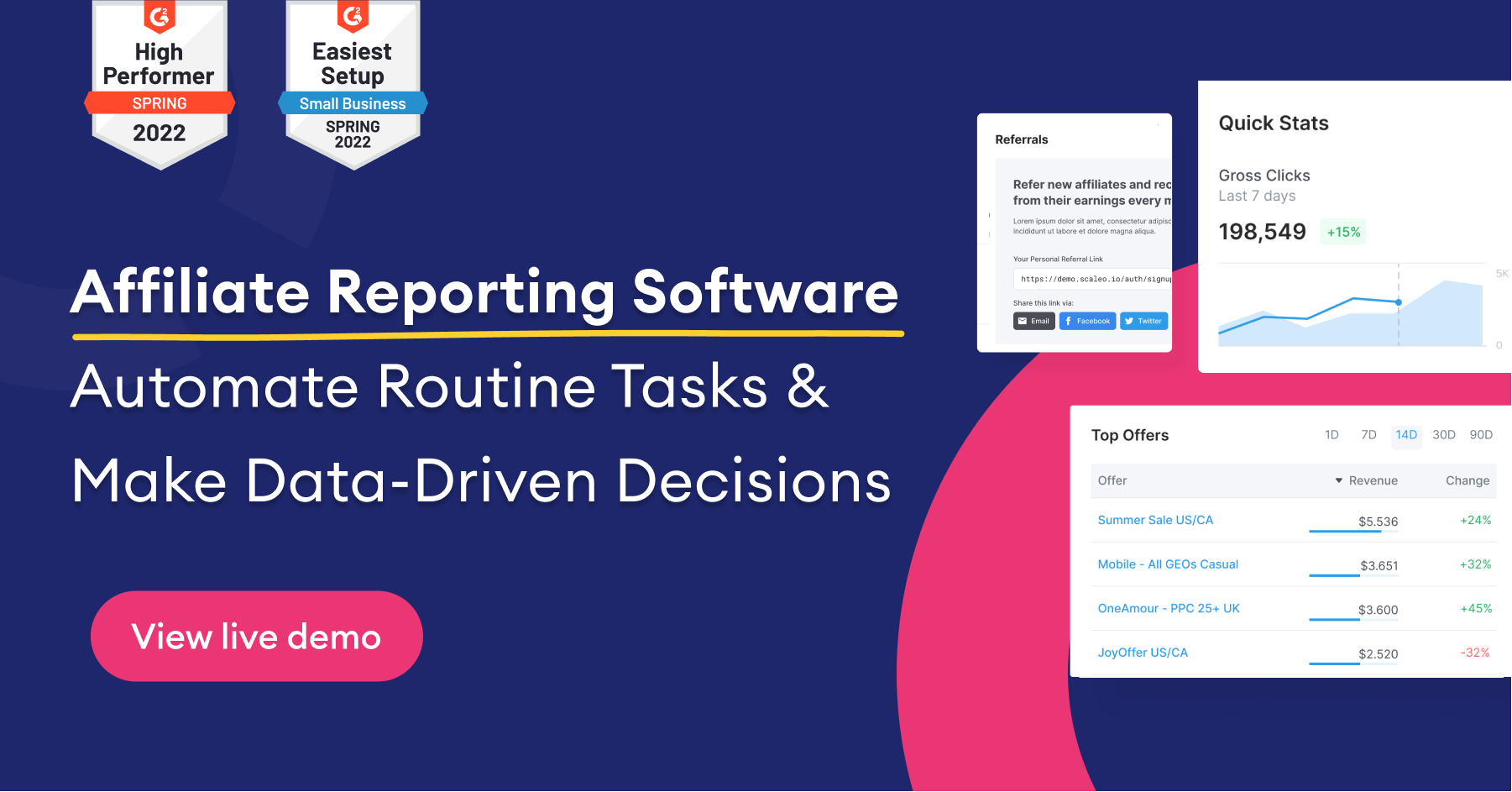
Earning models that allow you to be your own boss, earn a lot of money, and, above all, enjoy freedom.
No more traffic jams on your way to work at 08:00 in the morning. Never have to be accountable to that annoying supervisor again. No more obligations to colleagues. And you will never receive another payslip with that low salary again. No, you can say goodbye to your paid job by working with an online revenue model. You can immediately change your life.
Which online revenue models can you choose from?
You will find all the relevant information about this in this article. We have listed the best online revenue models so you can immediately make the right choice for yourself.
Regardless of the revenue model you choose, you have access to the digital world!
A Complete Guide To All The Online Revenue Models in 2026
Let’s face it—monetization in 2026 rewards clarity and mix, not dogma. Ads still print money at scale, but without owned demand engines (email, community, product usage), you’re renting outcomes at auction prices. The durable approach is a portfolio: one or two core models, plus 1–3 “support acts” that stabilize cash flow and hedge seasonality. Below is the field map we use when we help you choose what it is, when it sings, and when it bites.
Programmatic & Direct Ads
If you have traffic, programmatic and direct ads remain the fastest to activate. Programmatic gives breadth; direct deals give CPM sanity and brand fit. Retail media networks and newsletter ads are bright spots—context wins when third-party signals fade. Watch frequency caps and viewability floors, or you’ll cannibalize lifetime value for short-term pennies.
Affiliate & Commerce Bounties
It’s great when you have high-intent moments (comparisons, reviews, and calculators). Hybrid commission (small CPA + rev-share) tames returns fraud and coupon hijacking. Guardrails matter: first-touch protection for content and brand-term fences at checkout. Otherwise, disputes eat Fridays.
Subscriptions & Memberships
Predictable, but only when the content or utility is habit-forming. Tighten pricing around outcomes (tiers by usage, role, or feature), not vanity benefits. Annual plans smooth cash flow; community perks reduce churn. The risk? Over-tiering until no one knows what to buy.
Paywalls & Paid Content Packs
Metered paywalls still work for niche operators with must-have insight. We’ve seen success with “pack pricing”—selling a topical bundle (templates, briefs, data drops) rather than a monolith. Faster time to value, fewer refunds.
Usage-Based / Consumption (API, Credits)
Fair and scalable when costs track value (storage, API calls, compute minutes). Price the unit your customer already measures mentally. Publish guardrails and alerts; bill shock is a churn factory.
Sponsorships & Native
High CPMs, high trust—if we stay picky. Ship advertiser guidelines, maintain church-and-state, and prove incrementality (lift, not just clicks). Otherwise, readers smell the compromise.
Marketplaces & Take Rates
If you aggregate supply/demand, the rake is real. But cold starts are brutal. Subsidize one side (usually supply) and publish rules early to prevent a “tragedy of incentives.”
Lead Gen (Qualified, Not Spray-and-Pray)
B2B audiences monetize well via verified handraisers (MQL → SQL). Price on criteria, not volume. Establish a contract that specifies data usage and deletion, as failing to do so can lead to costly privacy theater.
Digital Products & Courses
One-time revenue with high margin. Works best when it ladders into a higher-ARPU subscription or community. The timing of refresh cycles is important because stale assets can hinder word of mouth promotion.
Data, Insights, and API Licensing
If you sit on unique exhaust (benchmarks, aggregates), package it. Legal and ethics first: aggregate, anonymize, and document provenance. CFOs pay for decisions, not dashboards.
Donations / Pay-What-You-Want
This model is surprisingly sturdy for both mission-driven media and open-source utilities. Use suggested donation tiers and visible milestones to anchor your fundraising efforts, as vague appeals tend to underperform.
| 🧩 Model | 💵 Cash Predictability | 🚀 Scales on Audience | 📈 High Margin | 🔐 Compliance Drag | 🧪 Good for Experiments |
|---|---|---|---|---|---|
| 📣 Ads (prog/direct) | ⚠️ | ✅ | ⚠️ | ⚠️ | ✅ |
| 🔗 Affiliate | ⚠️ | ✅ | ✅ | ⚠️ | ✅ |
| 🧾 Subscriptions | ✅ | ⚠️ | ✅ | ✅ | ⚠️ |
| 🧱 Paywall/Bundles | ✅ | ⚠️ | ✅ | ✅ | ⚠️ |
| ⚙️ Usage-based (API) | ✅ | ⚠️ | ✅ | ✅ | ⚠️ |
| 🤝 Sponsorships | ✅ | ⚠️ | ✅ | ✅ | ⚠️ |
| 🏬 Marketplace rake | ⚠️ | ✅ | ⚠️ | ⚠️ | ⚠️ |
| 🎯 Lead Gen (B2B) | ✅ | ⚠️ | ✅ | ✅ | ⚠️ |
| 📦 Digital products | ⚠️ | ⚠️ | ✅ | ✅ | ✅ |
| 📊 Data/API licensing | ✅ | ⚠️ | ✅ | ✅ | ⚠️ |
| ❤️ Donations/PWYW | ⚠️ | ⚠️ | ✅ | ✅ | ✅ |
✅ = strong, ⚠️ = situational
Practical playbook we lean on:
• Start with two anchors (e.g., subscriptions + affiliate for media, or usage-based + sponsorships for a tools publisher).
• Add one stabilizer (newsletter ads or lead gen) and one option (data packs or templates) that can graduate into a line of business.
• Instrument attribution and cannibalization: Will an aggressive paywall crush SEO? Will heavy ads depress conversion to subscription? We run holdouts and publish the rulebook so teams stop guessing.
• Price for confidence: annual incentives, transparent overage policies, and clear refund rules. You’ll trade some ARPU for trust—worth it.
• Keep a sunset calendar for every experiment. Dead models stick around because they’re familiar, not because they pay.
Have you considered the downstream impact of stacking too many models on the same page? Load times creep, consent prompts multiply, and users bounce. To be frank, fewer, better choices—backed by clean compliance and evidence—beat a buffet every time.

What Are The Online Revenue Models Available in 2026?
- Online revenue model 1: starting your own e-shop
- Online revenue model 2: reading emails
- Online revenue model 3: affiliate marketing
- Online revenue model 4: stock trading
- Online revenue model 5: dropshipping
- Online revenue model 6: starting your own business & offering digital services.
- Online revenue model 7: selling training courses, courses or e-books.
- Online revenue model 8: SaaS
- Online revenue model 9: developing apps
Online revenue model 1: starting your own e-shop
Has it always been your dream to start your own brand? Then you don’t have to open a physical store, as you can also start up your own e-shop. By starting your shop, you enjoy a lot of freedom; after you decide which products to sell and at what price, among other things, starting your own e-shop, you can earn a lot of money.

You do have to consider that you will have to deal with the necessary risks. After all, you must keep your stock somewhere, meaning you may have to rent a business property.
You are also responsible for the quality of your products, shipments, and product returns. Starting your own e-shop is undoubtedly not a completely risk-free online revenue model.
The fact is that starting your own e-shop is a lot of fun. You can put your all into this, enjoy freedom, and have a different day every day. Those are certainly reasons to start your own e-shop!
Online revenue model 2: reading emails
Is it possible to make money in such a simple way? Yes, that is certainly possible. By reading emails and carrying out specific assignments, you can earn comfortable monthly pocket money.

This online business model does not take up too much time, does not require any (technical) knowledge, and is effortless to implement. You have to consider a relatively low income and work that is not very challenging.
Would you like to earn money by reading emails? Then you can register for this at one of the programs. Would you like to start earning more money immediately? Then register with multiple programs and start reading the emails immediately!
Online revenue model 3: affiliate marketing
Affiliate marketing is undoubtedly one of the most interesting online revenue models if you can avoid the most common marketing mistakes. This is mainly due to the ratio between risk-taking and the money you can earn. Or rather, the lack of risks and the endless possibilities for making a lot of money are appealing.
In affiliate marketing, you actually work together with advertisers. You get the ‘right’ to promote products from the advertisers. You can encourage these products through reviews, social e-shops, or even without a blog.
The aim is, in any case, to promote the advertisers’ products. Visitors to your website should be enthusiastic about purchasing a particular product. If the visitor is interested in buying the product, they can click on a button or on an affiliate link.
The visitor is then redirected to the advertiser’s website. The visitor can order the article on that website and make the payment. The advertising party’s website detects that this visitor comes from your website, and the affiliate link you used is unique.
When you make such a sale, you will receive a specific commission. In many cases, this is a certain percentage of the order value, so as you manage to get more and more visitors to your affiliate website, the chances are that you will earn comfortable pocket money.
Because you do not run any risks yourself, you need little start-up capital and can earn money. Affiliate marketing has grown into the number one online revenue model. Are you interested in beginning your journey with affiliate marketing? You can acquire all the necessary knowledge with the help of the Affiliate Marketing Revolution.
Online revenue model 4: stock trading
Do you have a strong interest in the stock market and associated stocks? Then you can also trade in the shares via the internet. A frequently heard variant is day trading, where you focus on the daily price of a share. You buy the share at the lowest possible price and sell it—on the same day—at the highest possible price. With day trading, you are likely to earn money online.

If you want to trade in stocks, you must consider the risk. After all, many external factors influence the price of a share. You may lose much of your investment if you make a few wrong choices. Partly for this reason, this online revenue model is only recommended for people who have already built up a decent capital and are willing to take some risk.
Business model 5: dropshipping
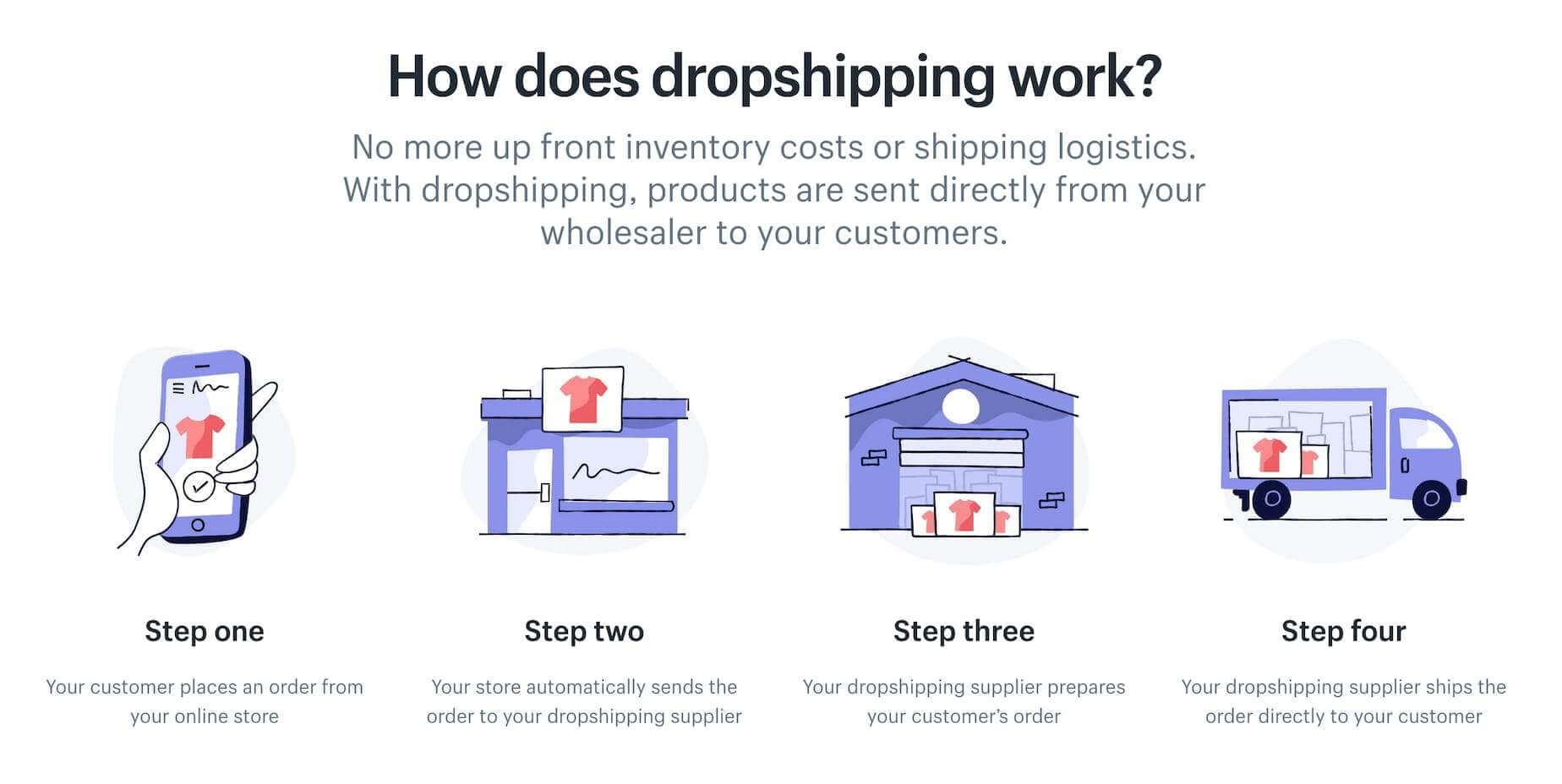
Dropshipping is actually a variant of having your own e-shop. In this online revenue model, you only collaborate with a third party known as a dropshipping supplier. This party is responsible for storing, shipping, and receiving any returns.
This means you spend a lot less time selling products. Another advantage is that you can offer many products since you do not have to keep them in stock. You do have to take into account the responsibility you bear. If a customer orders through your e-shop, you are responsible for handling it.
So you must find a dropshipping party that can be fully trusted and does a good job.
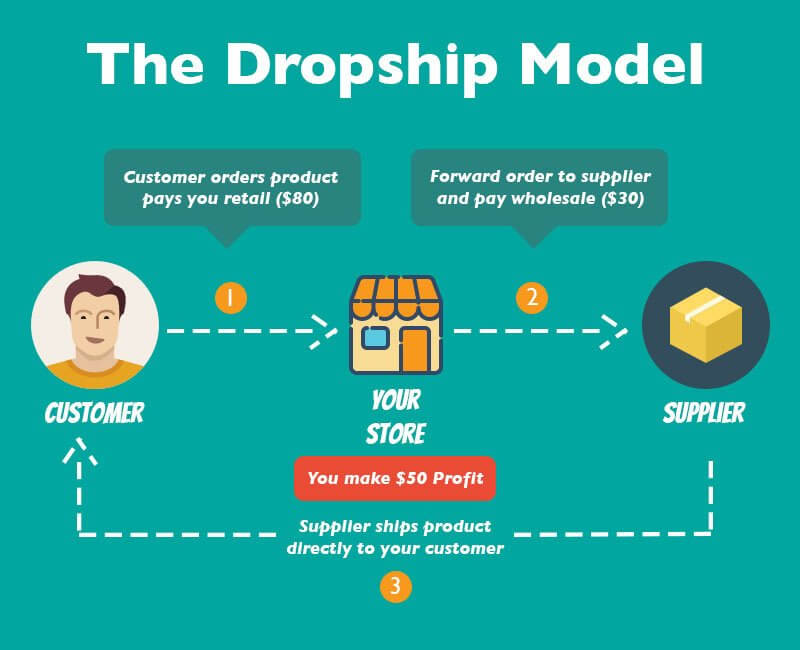
The advantage is that you can earn a lot of money through this online revenue model. You lose a specific portion per order to the dropshipping party, but building up a nice capital is still possible. That is certainly the case if you compare it with the time you have lost; after all, the most time-consuming jobs are taken care of for you. Automating everything is possible so that every order is automatically forwarded to the dropshipping party.
Online revenue model 6: starting your own business & offering digital services
You can, of course, also choose to start your own company. The digital services you offer can also be performed anywhere in the world. You are not dependent on location or time; for example, you are your own boss and only perform digital services.

You can think of designing websites, logos, and the like, offering social media marketing, search engine optimization, and writing web texts.
The absolute advantage of this is that there is/will remain a continuous demand for such services. The world of e-commerce has been growing rapidly for several years now; this growth is expected to continue in the coming years. With such an online business, you should certainly be able to achieve many successes.
In addition, it is, of course, necessary that you provide quality, that you keep agreements, and that you work hard. Making money online (unfortunately) cannot be done by sitting back. Regardless of which online revenue model you choose from this article, you must work hard to get the desired results!
Online revenue model 7: selling training courses, courses or e-books
A flourishing revenue model is also the sale of training courses, courses, and e-books. By offering such online products, you can build a nice source of income. It is also good to know that this is a relatively passive form of income. After all, you only have to write the e-book once or develop the training only once. Every student who subsequently registers for your course earns money from the course.
Online revenue model 8: SAAS

You can also choose to develop a software package yourself. You can then sell this software package for, for example, a monthly amount to other (digital) entrepreneurs.
The prerequisite for this is, of course, that you must have a lot of knowledge and that you must be creative. After all, many software packages and programs have already been invented.
Online revenue model 9: developing apps
Finally, it is also possible to develop apps. You can place these apps in the Android and iOS stores, where you can use a certain amount. If someone wants to buy the app, they have to pay an x amount. As your app is bought more often, the income can increase considerably.
You can also make use of in-content sales. You see such sales at Fortnite, for example. That game is free, but you can still spend a lot of money on it. After all, if you want to dress up or improve your character, you must pay for it. Many players in such a game are inclined to spend money. That is Fortnite’s business model and can be described as quite successful.
Conclusion: What is the best online revenue model for you?

In this article, you have found a selection of big hats with online revenue models. Many of these revenue models are pretty popular, while others require highly specialized knowledge. The fact is that you can go in all kinds of directions thanks to these online revenue models. Therefore, the answer to the question ‘What is the best online revenue model for you?’ is entirely personal.
The advice is to try out different online revenue models, even rev share. Immerse yourself in a few online revenue models and start experimenting. You will then automatically notice what you are good at, where your interests lie, and what you can be successful with. At least remember one thing: the (digital) world is at your feet.
As long as you work hard, have good ideas, and have the necessary patience/perseverance, you, too, can become a successful digital entrepreneur!