B2B software in the AI era isn’t just “nice to have”—it’s the operating system for how teams sell, market, support, and scale. The right stack removes friction, shortens cycles, and compounds results. The wrong one? Expensive busywork.
Choice overload is real. Signals drown in noise. I’ll cut through it.
Here’s what actually moves the needle—and where each tool fits.
Below you’ll find the best B2B software for 2026—by use case and impact. From partner marketing software and CRM to collaboration and automation, this is the shortlist I’d put my name on.
Let’s dive in. The goal is simple: ship faster, sell smarter, waste less.
15 Best B2B Software in 2026
Software doesn’t close deals for you—but it makes closing inevitable when your process is tight. The picks below streamline ops, increase focus, and give you the data you actually use.
Expect these platforms to keep leading the pack in 2026—on product velocity, ecosystem, and ROI.
| Software | How Can it Help Your Business? |
|---|---|
| Scaleo | B2B partner marketing software for managing, tracking, and optimizing affiliate/partner programs—flexible commissions, real-time anti-fraud, funnel visibility, and clean APIs. |
| HubSpot | All-in-one inbound platform (marketing, sales, service + CRM) to attract traffic, convert leads, and support customers with a unified data layer. |
| Salesforce | Cloud CRM for complex sales motions—pipeline, forecasting, automation, and an enormous app ecosystem for enterprise workflows. |
| Slack | Channel-based collaboration: fast messaging, huddles, file sharing, and app integrations that keep projects moving without email ping-pong. |
| Zoom | Reliable video meetings, webinars, and recordings—clean audio, screen sharing, and breakout rooms for workshops or training. |
| Asana | Project management with clear ownership: timelines, boards, and automation to keep teams aligned on deliverables and deadlines. |
| Mailchimp | Marketing automation + email marketing for building lists, segmenting audiences, and running tested campaigns with solid analytics. |
| Zoho CRM | Cloud CRM suite—sales/marketing automation, support, inventory, and reporting—good value for growing teams. |
| Trello | Visual project management (Kanban). Boards, lists, and cards make priorities obvious and collaboration lightweight. |
| Microsoft Teams | Chat, meetings, and file collaboration tightly integrated with Microsoft 365—familiar, secure, enterprise-ready. |
| Google Workspace | Gmail, Drive, Docs, Sheets, Meet—cloud-native collaboration that’s fast, searchable, and easy to standardize across orgs. |
| Freshworks | Sales and support suite (e.g., Freshsales/Freshdesk) with AI lead scoring, built-in telephony/email, and activity capture for cleaner CRMs. |
| Pipedrive | Sales-focused CRM: visual pipelines, customizable stages, and no-nonsense reporting that reps actually use. |
| Adobe Marketo | Enterprise marketing automation—lead scoring, nurtures, attribution, and deep segmentation for multi-touch campaigns. |
| Basecamp | Simple project + team hub with to-dos, docs, and messaging—keeps projects organized without heavy admin. |
Partner Marketing: Scaleo
Scaleo is built for partner-led growth: manage affiliates, track every click→lead→sale, and pay accurately. Flexible commission plans, real-time fraud signals, player/lead funnel reporting, and fast APIs mean you can scale without losing control.
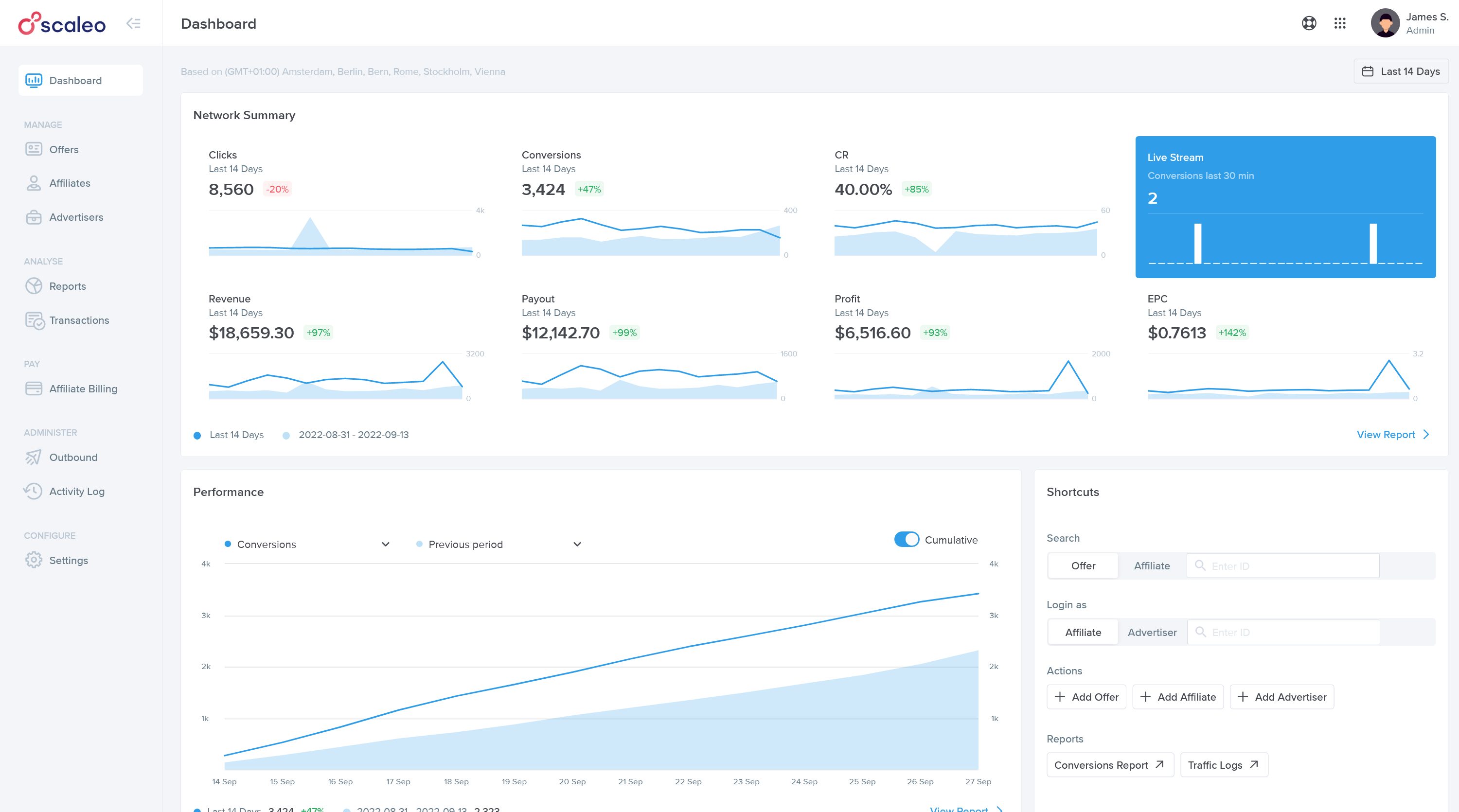
Key capabilities that matter in practice:
- Real-time tracking and reporting you can trust
- Affiliate-focused fraud prevention and bad-traffic flagging
- In-depth analytics with player/lead funnel views
- Customizable commission structures (CPA, RevShare, Hybrid, tiers)
- Automated invoicing and billing workflows
👉 Visit https://www.scaleo.io
HubSpot
HubSpot unifies content, automation, CRM, and service. It’s approachable, yet powerful enough for serious pipelines. If you need one place for marketing ops and sales handoffs, this is a safe bet.
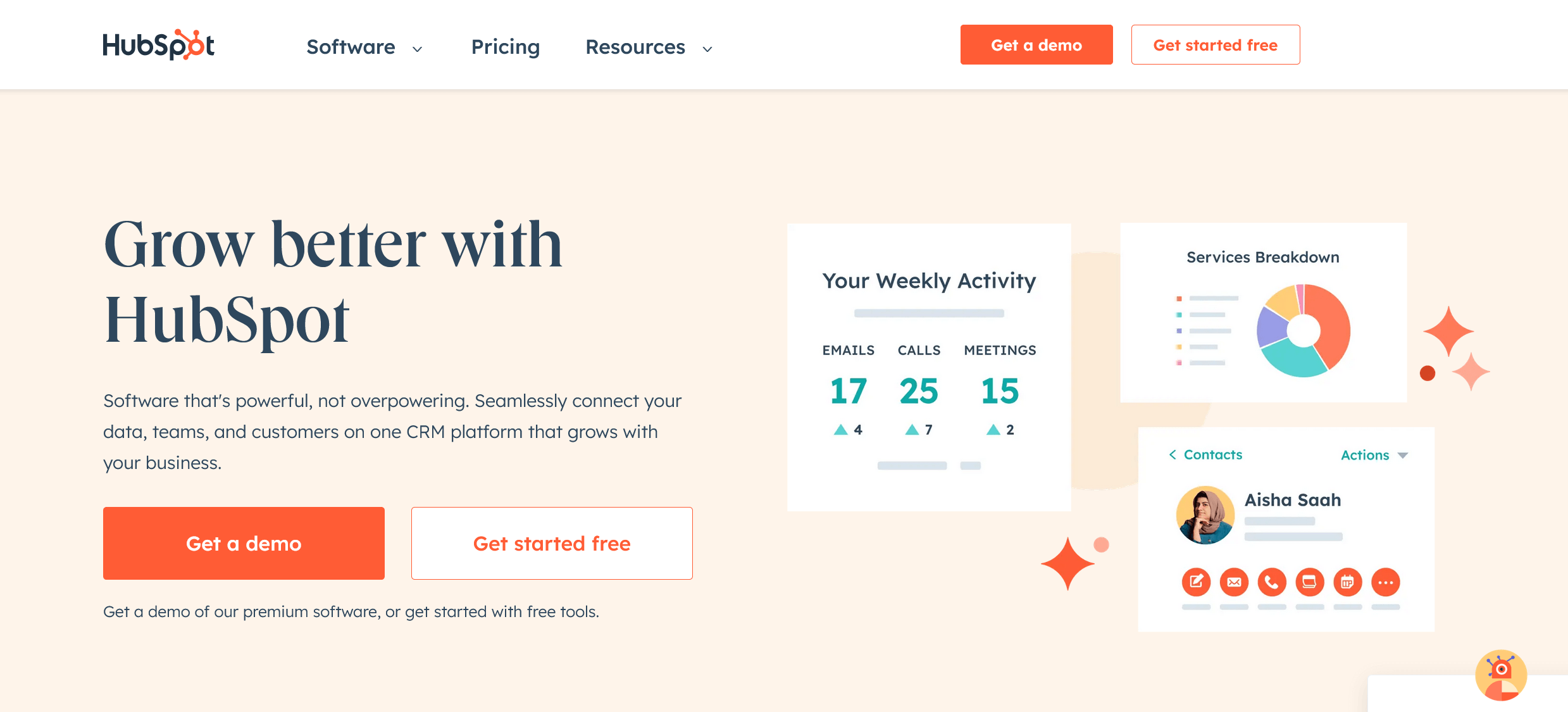
Standouts:
- Content + SEO tools tied directly to lead capture
- Automated lead tracking, scoring, and nurtures that reps actually see
- Knowledge base + ticketing to close the loop on support
- Native CRM with tight integration across hubs
Visit: https://hubspot.com
Salesforce
Salesforce is the enterprise CRM standard—robust pipeline management, forecasting, automation, and an ecosystem for almost every edge case. Implementation matters; the platform can do a lot when set up by the right team (or specialist recruiters help you hire the talent).
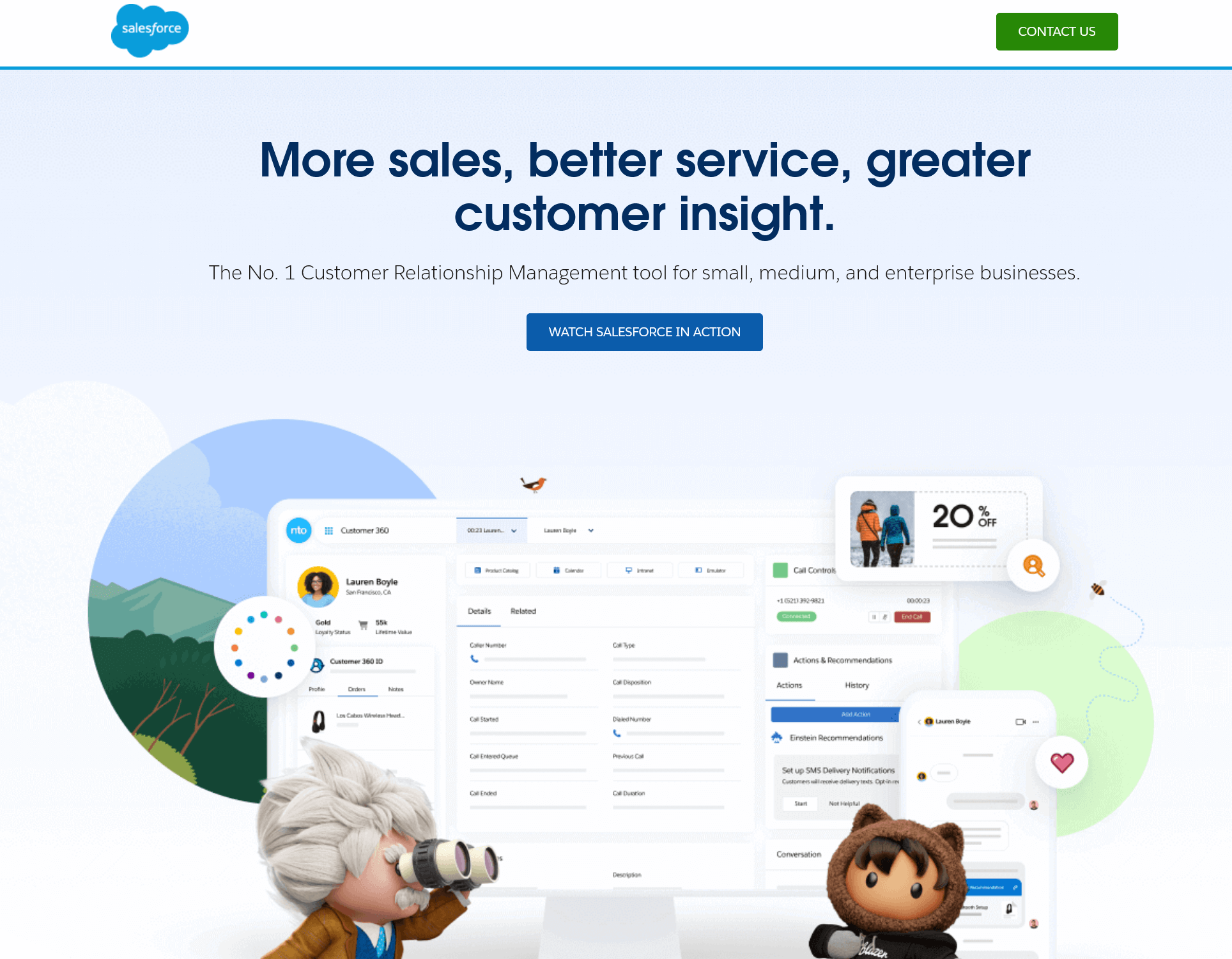
Key features of Salesforce include:
- Lead, account, and opportunity management
- Forecasting and pipeline analytics
- Marketing and workflow automation
- Service Cloud for support at scale
Visit: https://salesforce.com
Slack
Slack keeps teams aligned without meetings overload. Channels make context easy to find; integrations keep tools talking to each other. Quick huddles beat long calls. Every time.
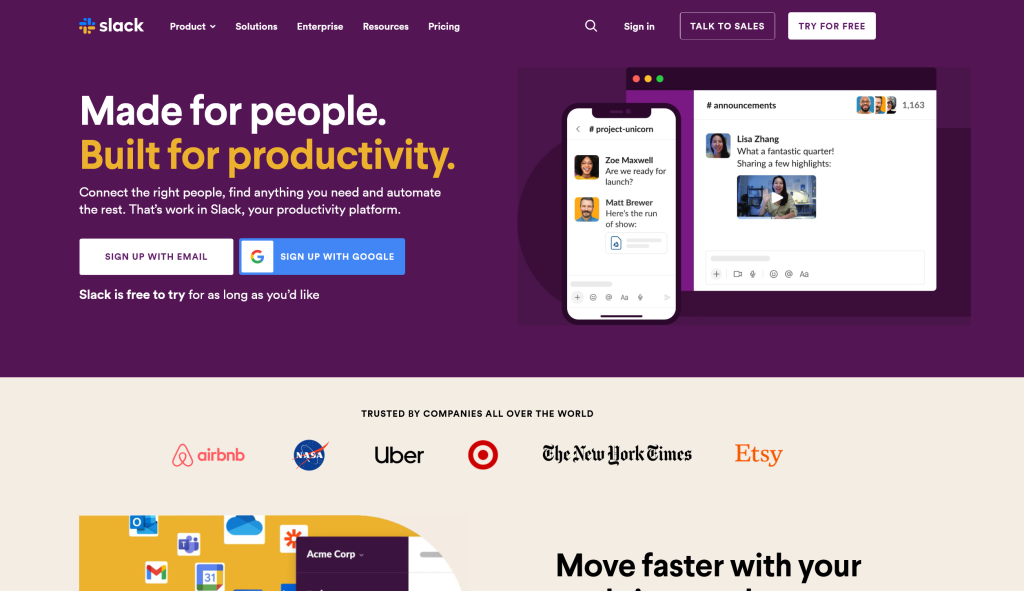
Highlights:
- Channel-based messaging
- Lightweight voice/video (Huddles)
- File sharing with searchable history
- Hundreds of integrations to reduce app-switching
Visit: https://slack.com
Zoom
Zoom remains the “it just works” choice for calls, demos, and webinars. Clean audio, stable video, and tools for training or events when you need more than a meeting link.
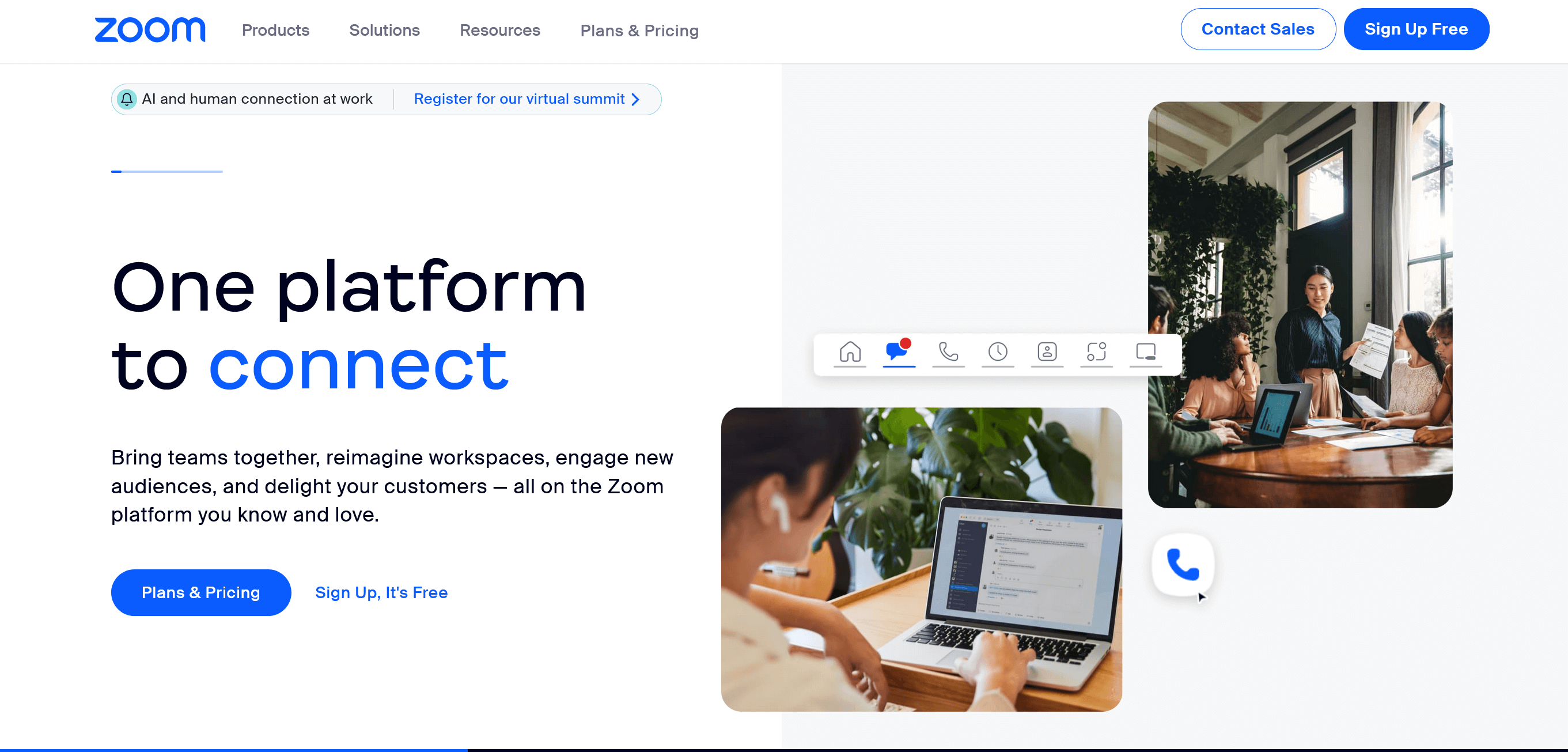
Key features of Zoom include
- HD video and audio
- Breakout rooms for workshops
- Screen sharing with controls
- Meeting recording and transcripts
Visit: https://zoom.us
Asana
Asana clarifies who’s doing what by when. Great for cross-functional launches and content calendars where dependencies matter.
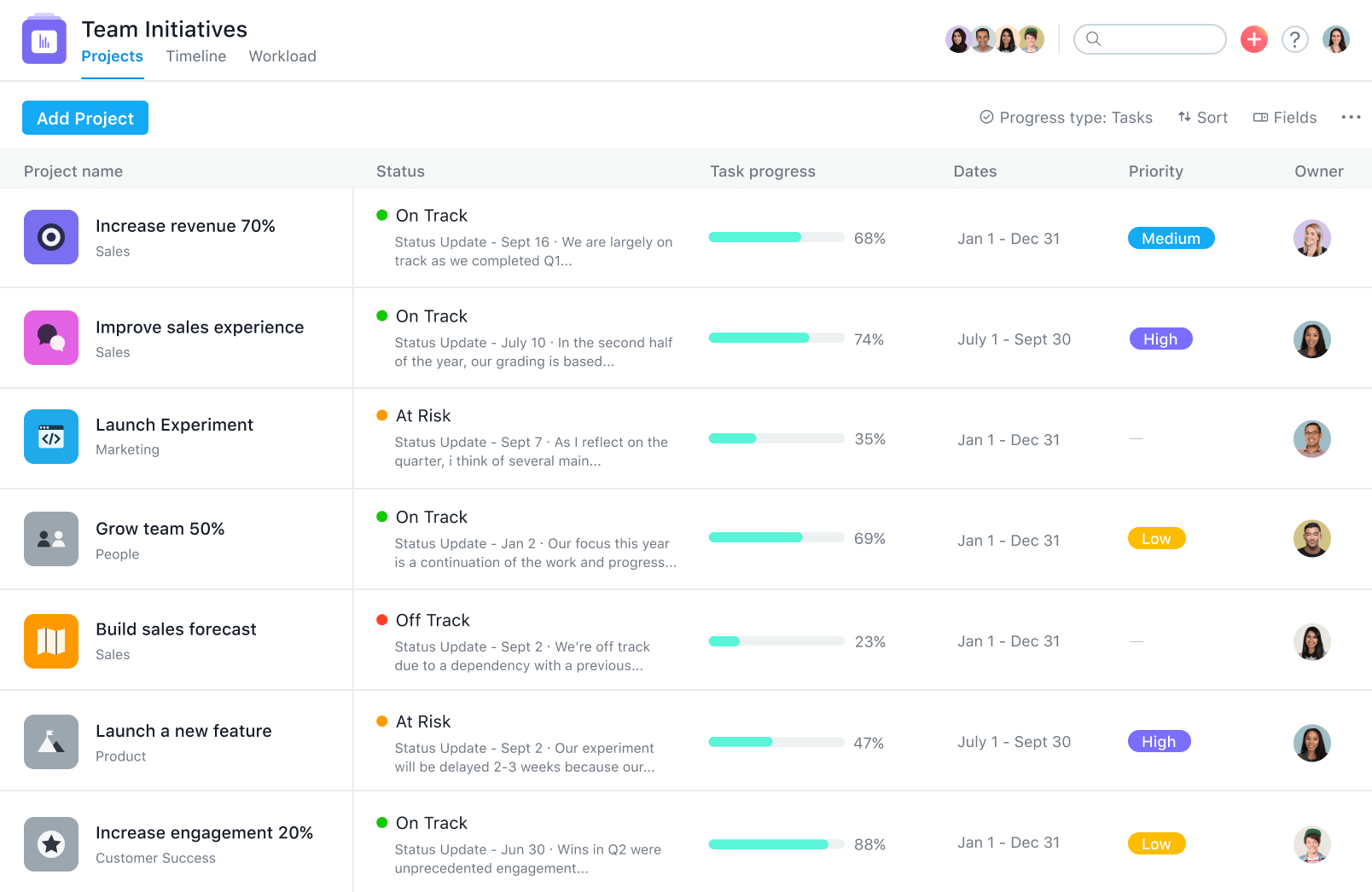
Main features:
- Tasks, subtasks, and dependencies
- Custom workflows and automations
- Timelines, calendars, and workload
- Plays well with common SaaS tools
Visit: https://asana.com
Mailchimp
Mailchimp is the default for small teams that want quick wins in email and simple automation without heavyweight setup.
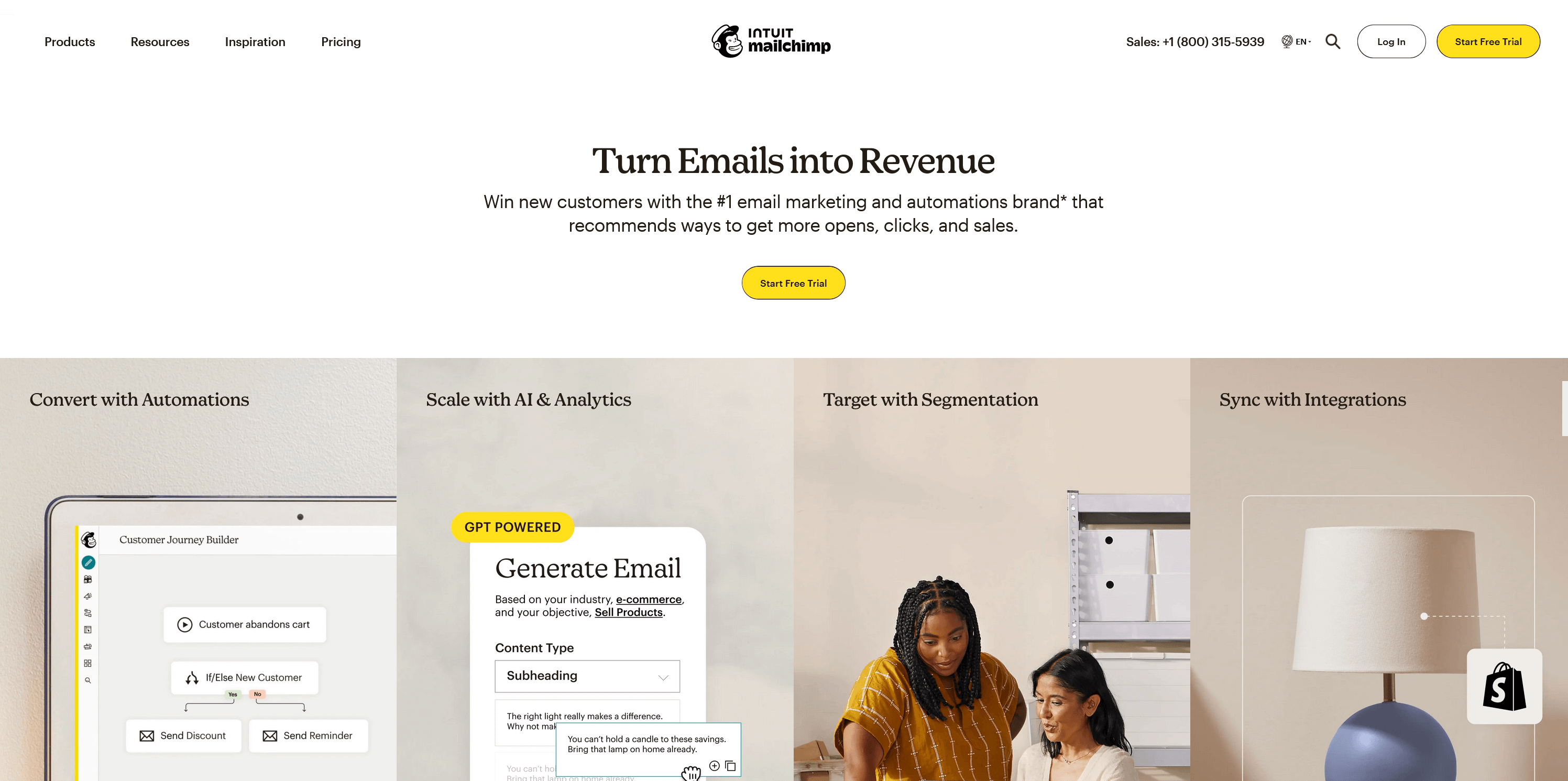
Key features of Mailchimp include:
- Email campaign builder and automations
- A/B testing for subject lines and content
- Audience segmentation
- Clear reporting on opens, clicks, and revenue
Visit: https://mailchimp.com
Zoho CRM
Zoho CRM bundles the essentials—leads, pipelines, automation, and inventory—at a friendly price point. Good when you want breadth without vendor sprawl.
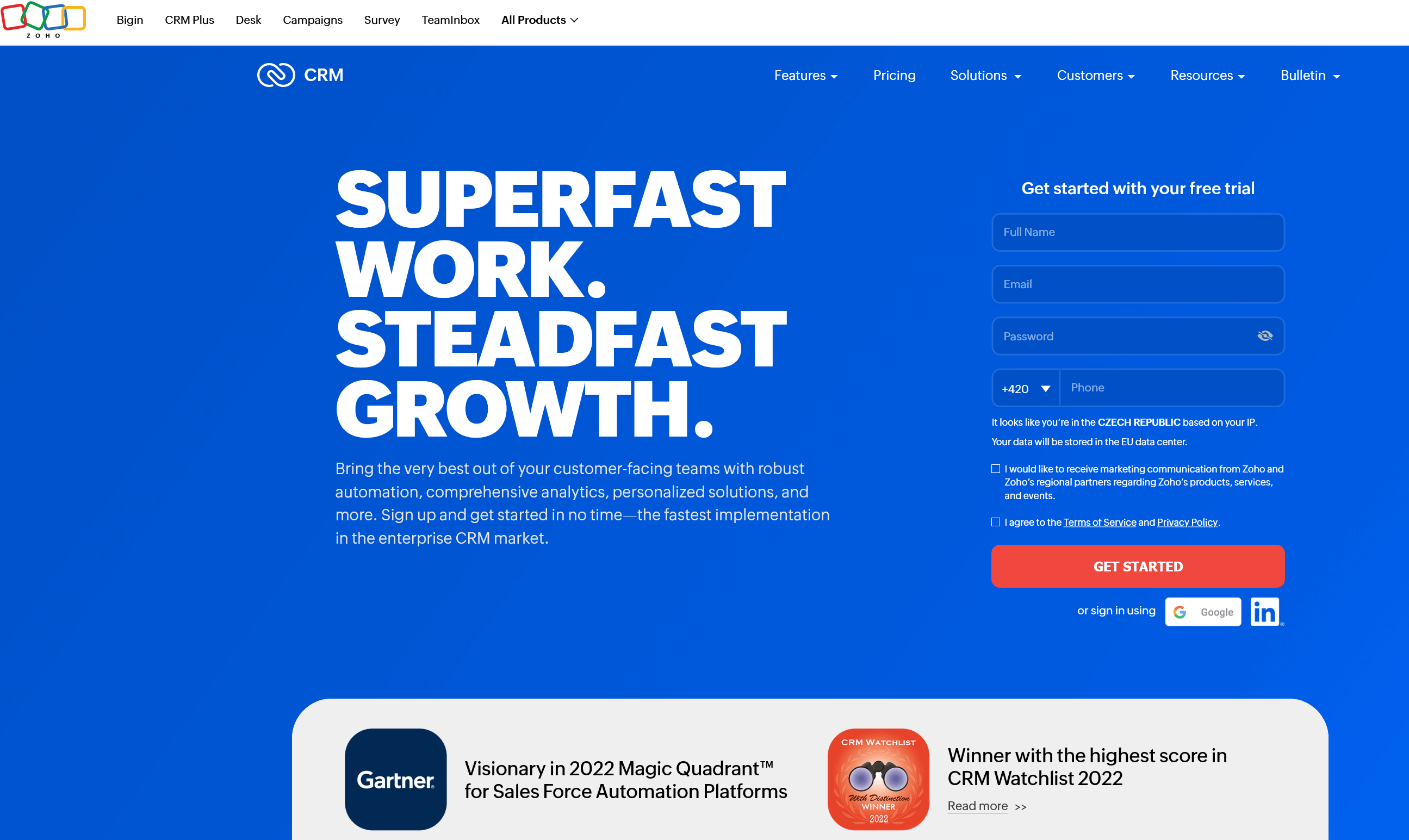
Highlights:
- Lead and contact management
- Sales pipeline tracking
- Marketing and workflow automation
- Inventory and order modules when you need them
Visit: https://www.zoho.com/crm
Trello
Trello’s Kanban view makes priorities visual. Perfect for marketing queues, content ops, and light project work where speed beats ceremony.
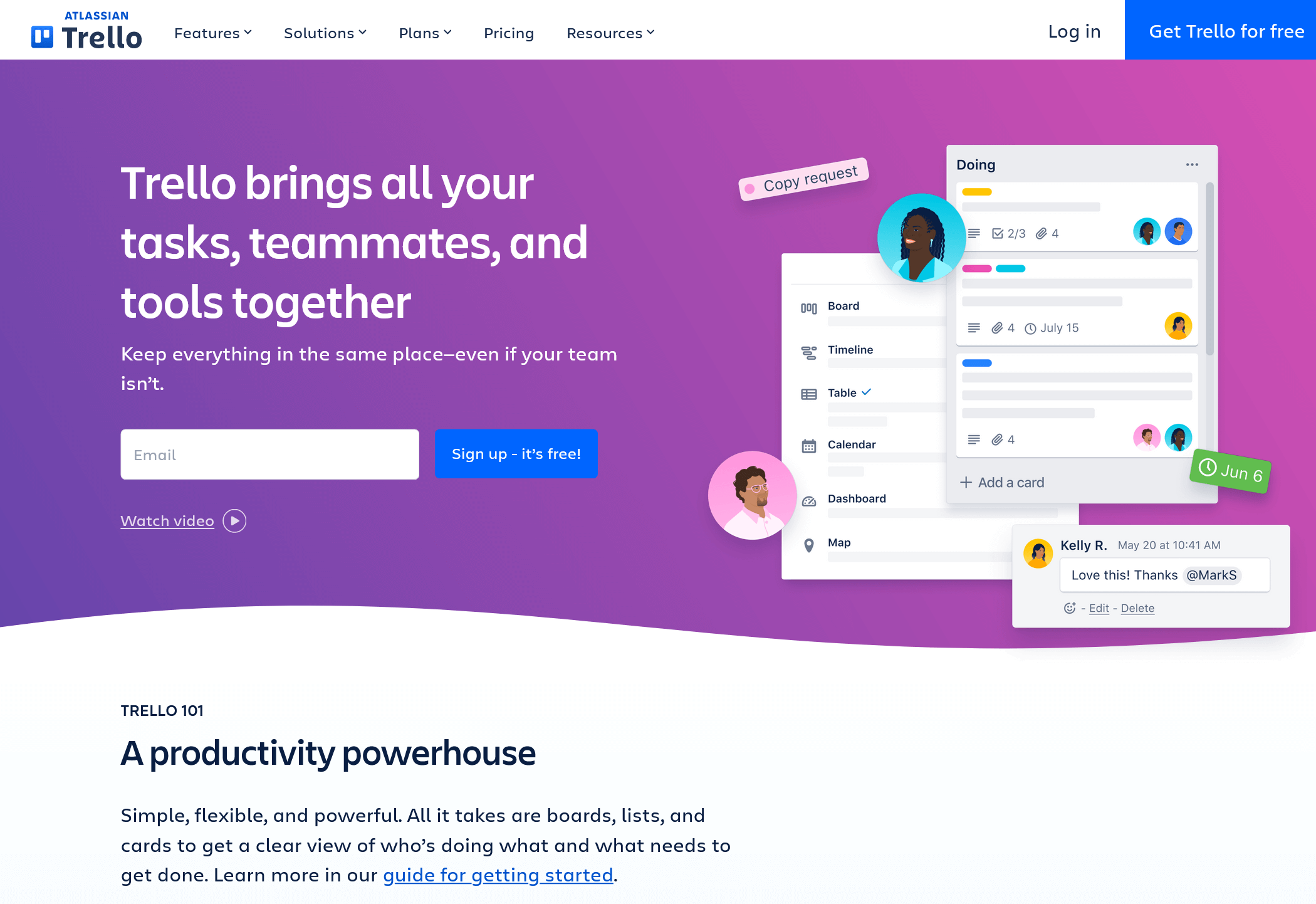
Key features of Trello include:
- Boards, lists, cards you can drag/drop
- Labels, due dates, and checklists
- Comments and file attachments
- Power-Ups for deeper integrations
Visit: https://trello.com
Microsoft Teams
Teams is the collaboration hub for Microsoft 365 shops—chat, meetings, files, and app tabs in one place. Security and governance are strong suits.
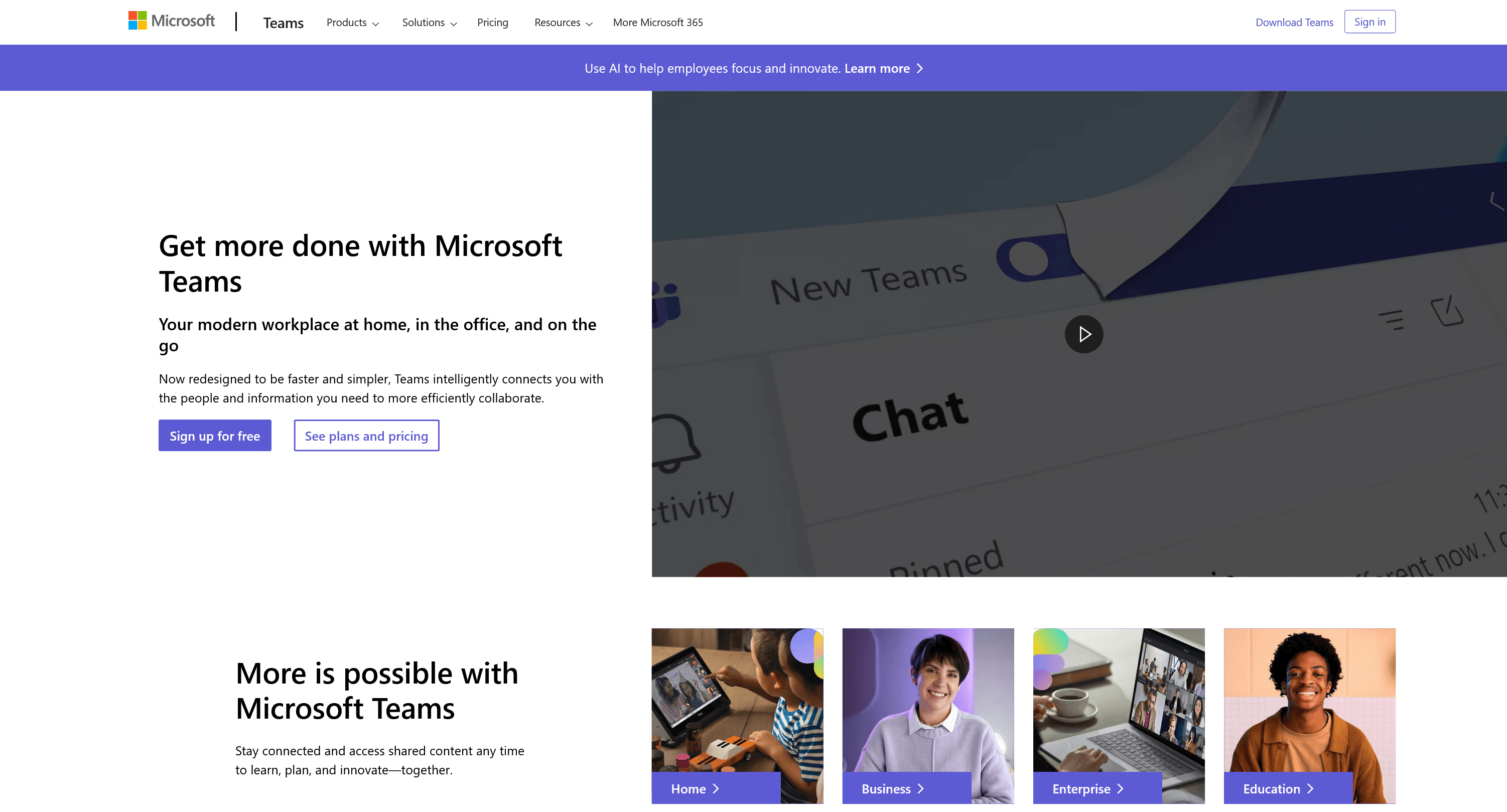
Some highlights of Microsoft Teams include:
- Group and private chats
- Meetings with recording and transcripts
- File collaboration via OneDrive/SharePoint
- Deep integration with Office apps
Visit: https://www.microsoft.com/en-us/microsoft-teams/group-chat-software
Google Workspace
Workspace is the fastest path to “everyone on the same page.” Docs for collaboration, Sheets for analysis, Meet for quick syncs—zero desktop installs required.
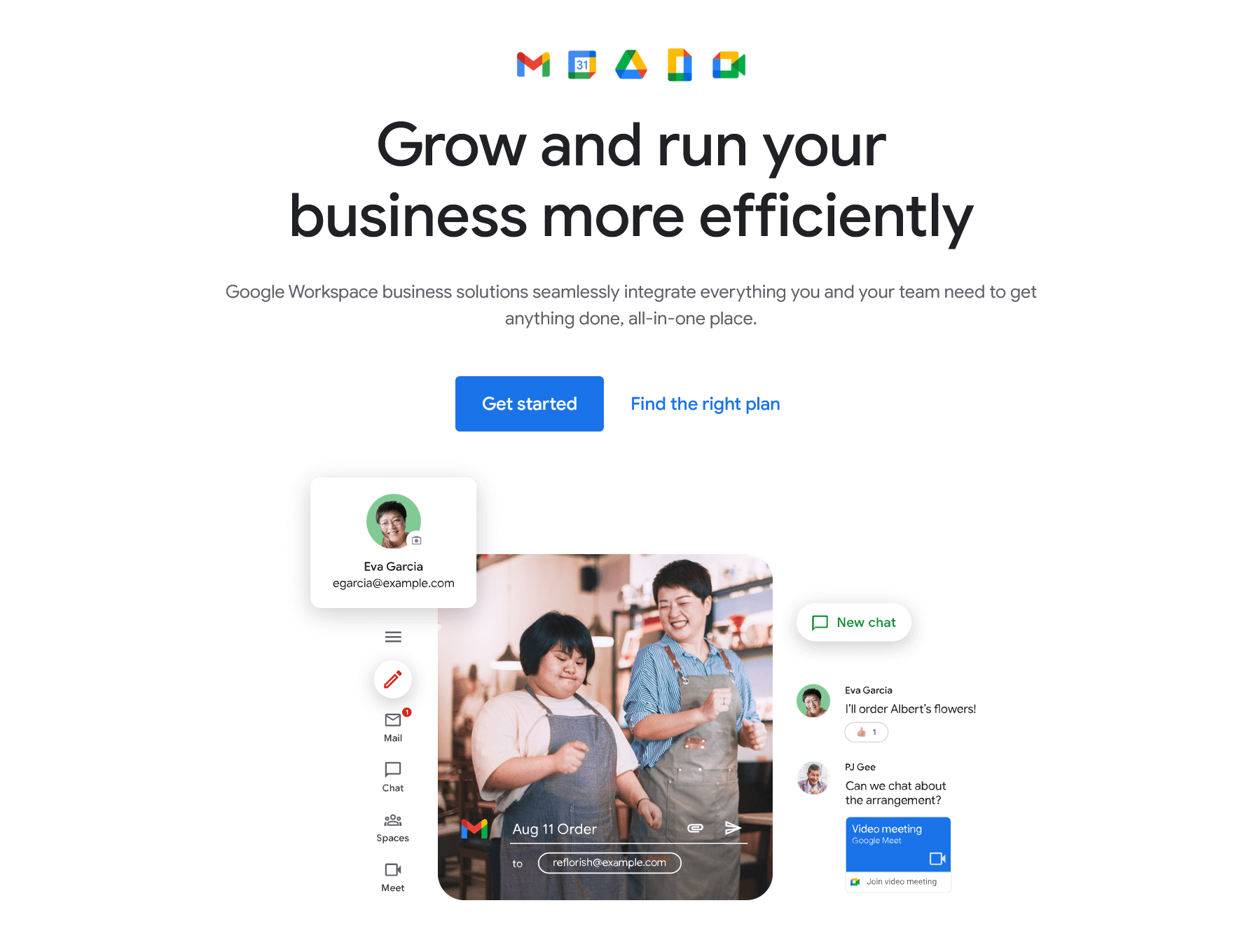
Key features of Google Workspace include:
- Email, calendar, and contacts
- Cloud file storage and granular sharing
- Meet for video collaboration
- Third-party add-ons and integrations
Visit: https://workspace.google.com/business
Freshworks
Freshworks (e.g., Freshsales, Freshdesk) brings sales engagement and support under one roof. It’s pragmatic: AI scoring, built-in phone/email, and activity capture that cleans your data automatically.
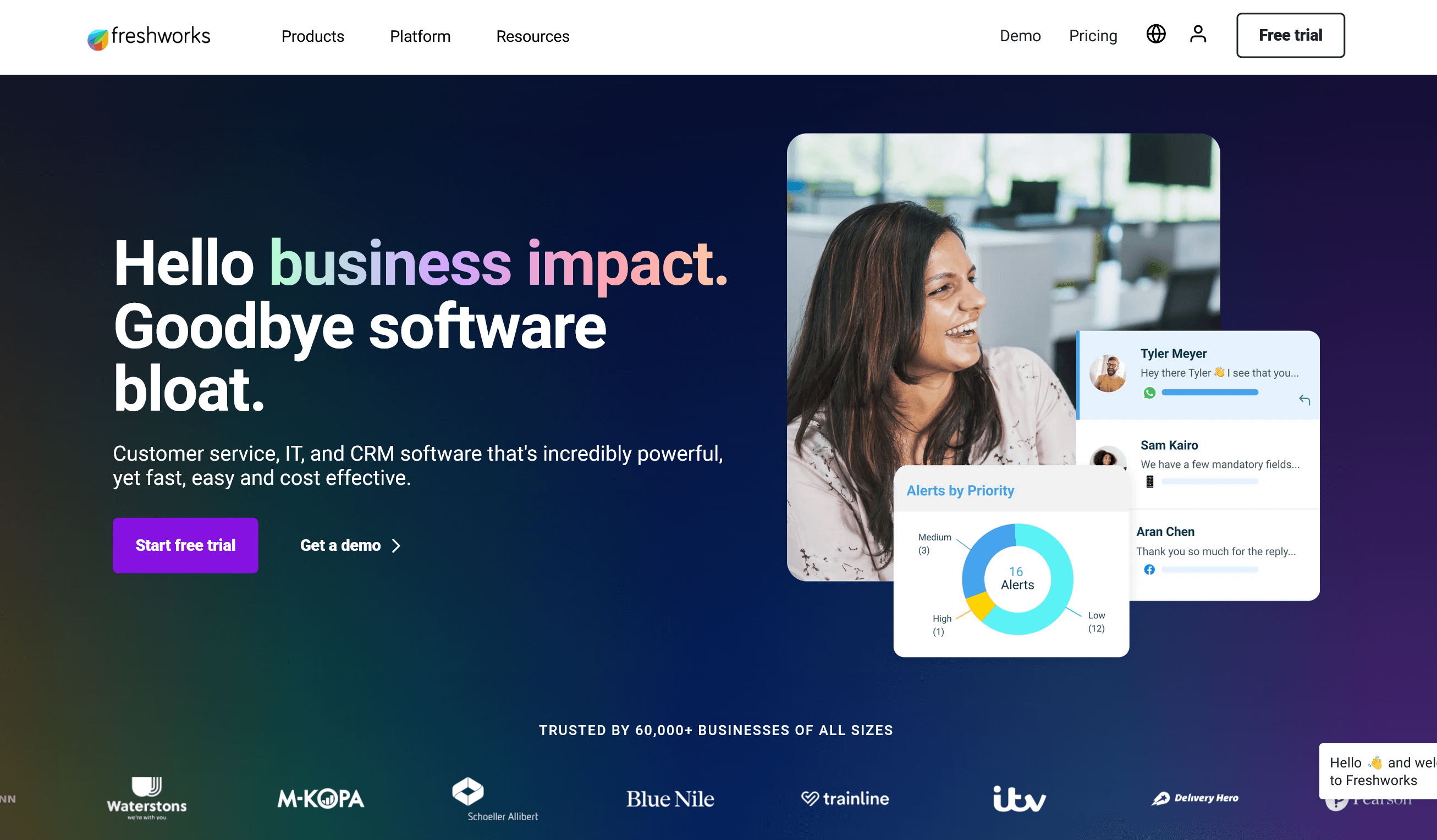
Main features:
- AI-based lead scoring for prioritization
- Built-in telephony and email with conversation tracking
- Automatic activity capture for cleaner pipelines
- Custom dashboards and reports tied to key metrics
Visit: https://freshworks.com
Pipedrive
Pipedrive is purpose-built for sales teams that live in the pipeline view. It’s fast, opinionated (in a good way), and keeps reps focused on next actions.
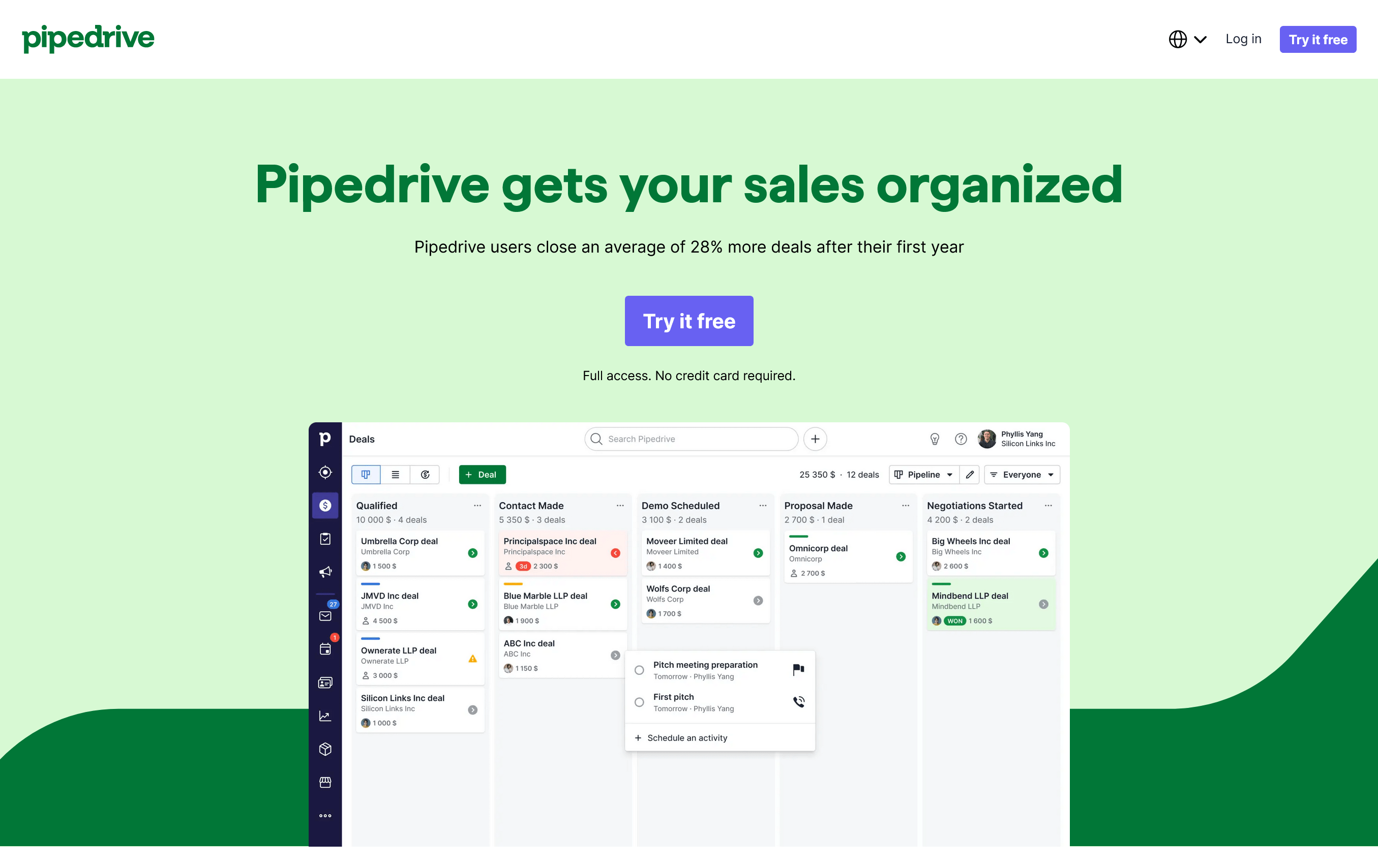
Key features of Pipedrive include
- Visual sales pipeline with customizable stages
- Lead capture from multiple sources (and no lost opportunities)
- Custom workflows that mirror how your team sells
- Reports that surface performance trends, not just vanity metrics
Visit: https://pipedrive.com
Adobe Marketo Engage
Marketo is enterprise-grade marketing automation—ideal when you’re orchestrating complex nurtures, scoring models, and multi-touch attribution across regions.
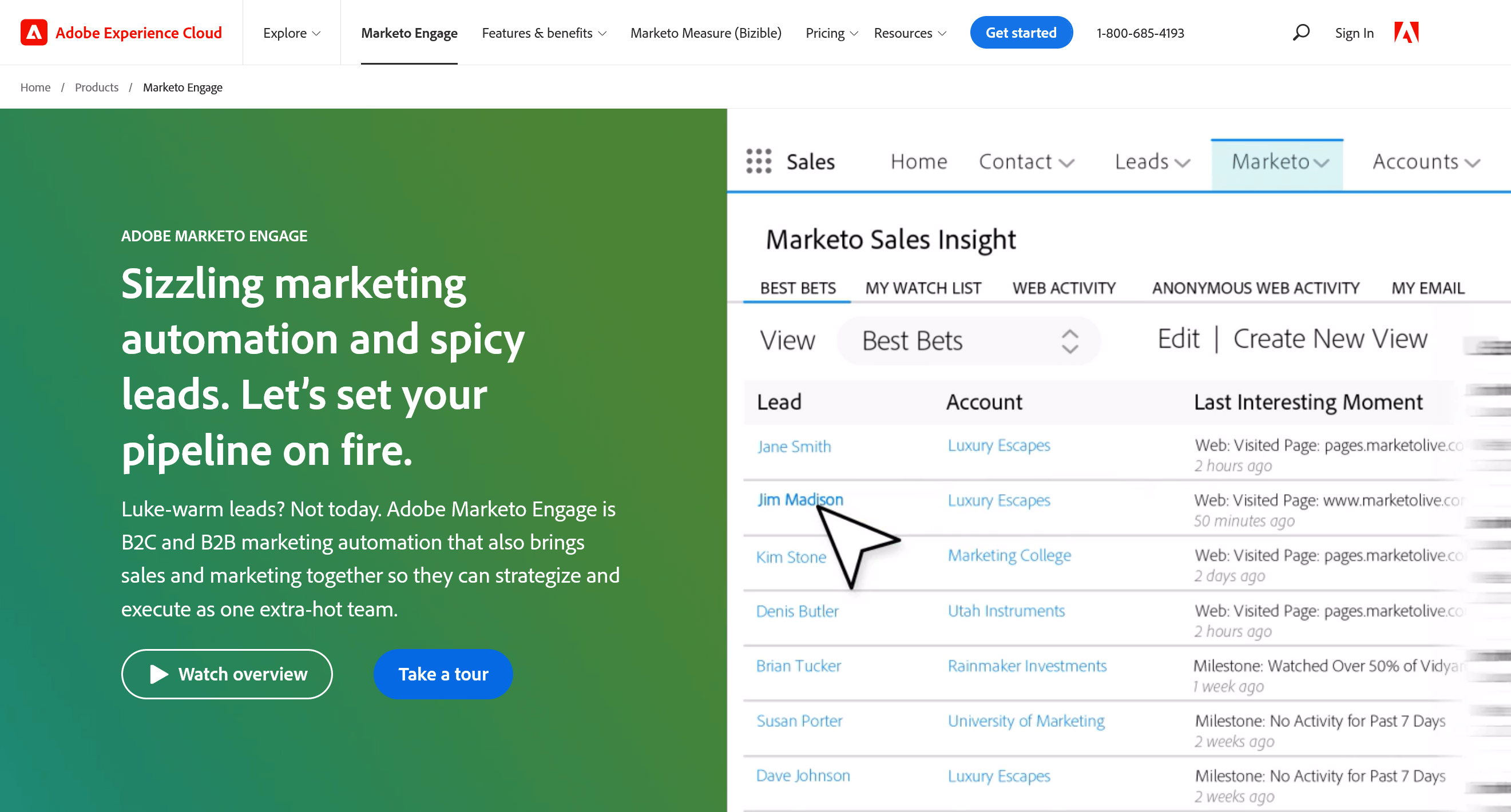
Some of the main features of Marketo Engage include:
- Lead capture, scoring, and nurtures
- Personalized email and campaigns at scale
- Campaign analytics and attribution
- CRM integration for true sales–marketing alignment
Visit: https://business.adobe.com/products/marketo/adobe-marketo.html
Basecamp
Basecamp is the minimalist’s project hub—lists, docs, and message boards that keep everyone aligned without over-engineering the workflow.
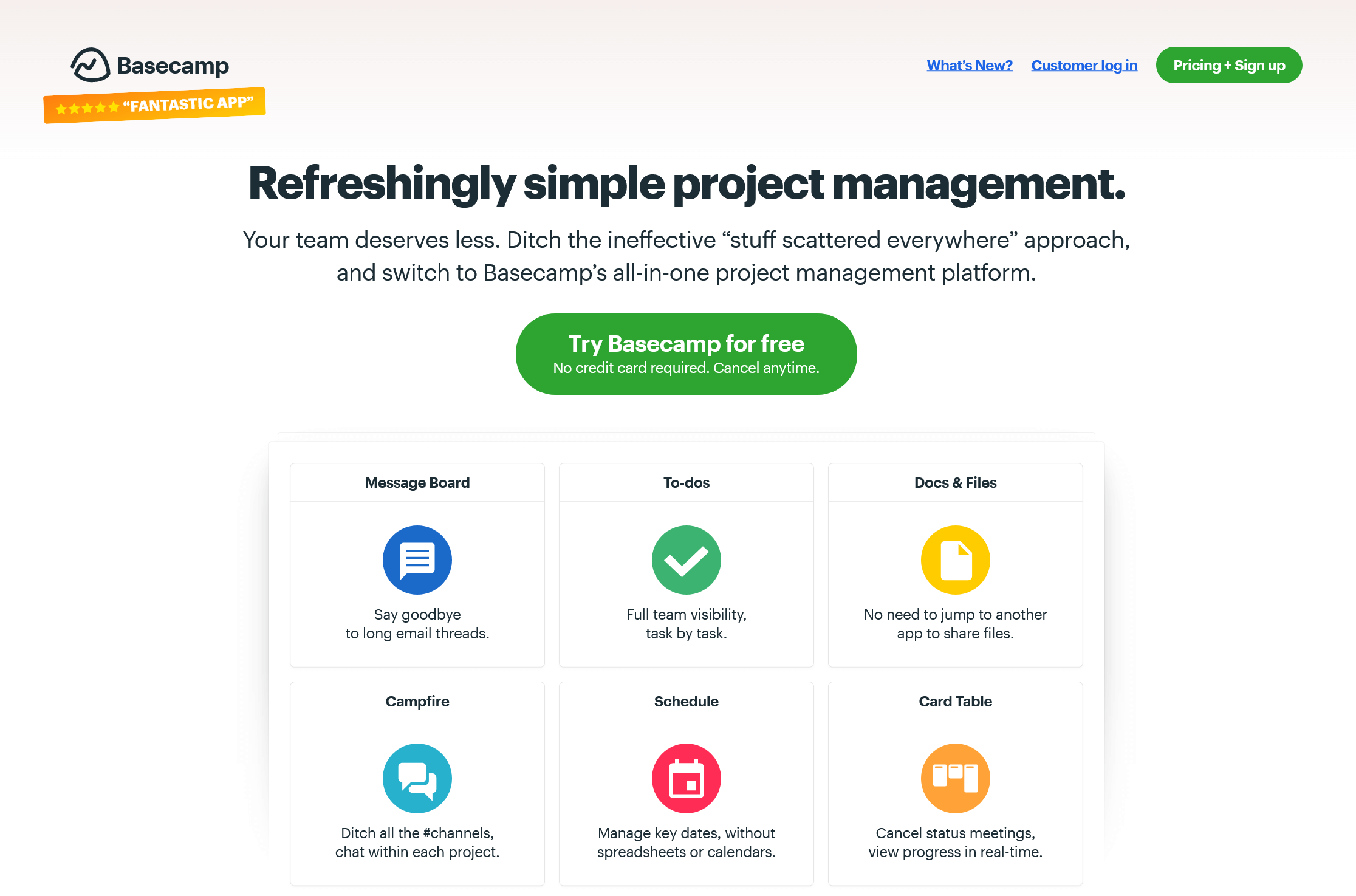
Key features of Basecamp include:
- Task assignment with dates and owners
- Centralized file storage for each project
- Message boards and real-time chat
- Status updates and simple reports
Visit: https://basecamp.com
What Kind of Software Helps Businesses Scale?
Three themes dominate: centralize your data, automate the predictable, and collaborate where the work lives. The tools below embody that pattern—whether you’re selling, building, or supporting.

1. Customer Relationship Management (CRM) Software
CRM is your source of truth for pipeline and customers. Expect cloud-first, AI-powered insights, and tighter integrations so sellers spend time selling—novel, right?
2. Enterprise Resource Planning (ERP) Software
ERP ties finance, inventory, HR, and supply chain into one backbone. With predictive analytics and ML baked in, the system starts suggesting instead of merely recording.
3. Cybersecurity Software
Threats evolve; your stack must, too. Expect ML-assisted detection, automated response, and simpler compliance tooling that doesn’t slow teams down.
In 2026, the edge goes to platforms that spot anomalies in real time and close the loop without human lag.
4. Marketing Automation Software
Automate the repetitive, personalize the meaningful. That includes affiliate marketing automation with Scaleo—so partners get credit, creatives stay fresh, and payouts remain accurate. Pair with AI tools for smarter sends and better timing.
5. Project Management Software
Project management tools are merging AI with timelines to auto-assign, auto-unblock, and surface risks before they become delays. Less chasing, more shipping.
6. Business Intelligence (BI) Software
BI turns raw data into decisions. Expect ML-assisted insights, natural-language queries, and better visuals so trends are obvious at a glance. Action beats dashboards-for-dashboards’ sake.
7. Human Capital Management (HCM) Software
From hiring to onboarding to reviews—HCM is automating the grunt work and personalizing the employee experience. Happier teams, fewer errors.
8. Supply Chain Management (SCM) Software
SCM leans into visibility and responsiveness: blockchain for transparency where it makes sense, and real-time data for faster decisions when things go sideways.
Bottom line: fewer surprises, quicker recovery.
9. Virtual and Augmented Reality Software
VR/AR is moving from “cool demo” to practical training and sales enablement. Immersive walkthroughs beat PDFs when stakes (and price tags) are high.
10. E-commerce Software
Modern platforms bake in personalization, smart search, and ML merchandising. Customers get relevance; you get higher AOV and conversion. Win-win.
Stay current and your stack compounds advantages—faster ops, smarter decisions, and tighter feedback loops that your competitors can’t copy overnight.
11. Cloud Migration and Management Software
Cloud done right reduces risk and unlocks speed. The best tools simplify planning, right-sizing, and observability—so migrations don’t become year-long sagas.
In 2026, expect even cleaner paths to move, monitor, and optimize workloads.
12. Customer Service Software
Omnichannel support with AI assist means faster answers and happier customers. Chat, email, voice—routed smartly, handled consistently, measured honestly.
13. Sales Enablement Software
Give reps the right content at the right time—and prove which assets move deals. Expect tighter AI on forecasts and intent signals that prioritize where to push.
14. Financial Management Software
Budgeting, forecasting, and reporting that doesn’t require spreadsheet archaeology. More AI, fewer manual reconciliations, better decisions.
15. Collaboration Software
The best collab tools vanish into the work. Less ceremony, more outcomes. AI helps summarize, assign, and keep momentum when schedules don’t align.
Conclusion
In 2026, your edge isn’t just talent—it’s the stack that amplifies it. Tools like Scaleo, HubSpot, Slack, Freshworks, Pipedrive, Adobe Marketo Engage, and Basecamp help you market, sell, deliver, and learn faster. That’s the compound interest of good ops.
Explore this lineup, pressure-test against your workflows, and double down on the pieces that remove the most friction. That’s how you grow—deliberately.
Keep iterating. The teams that win treat tooling as a living system, not a one-off purchase.
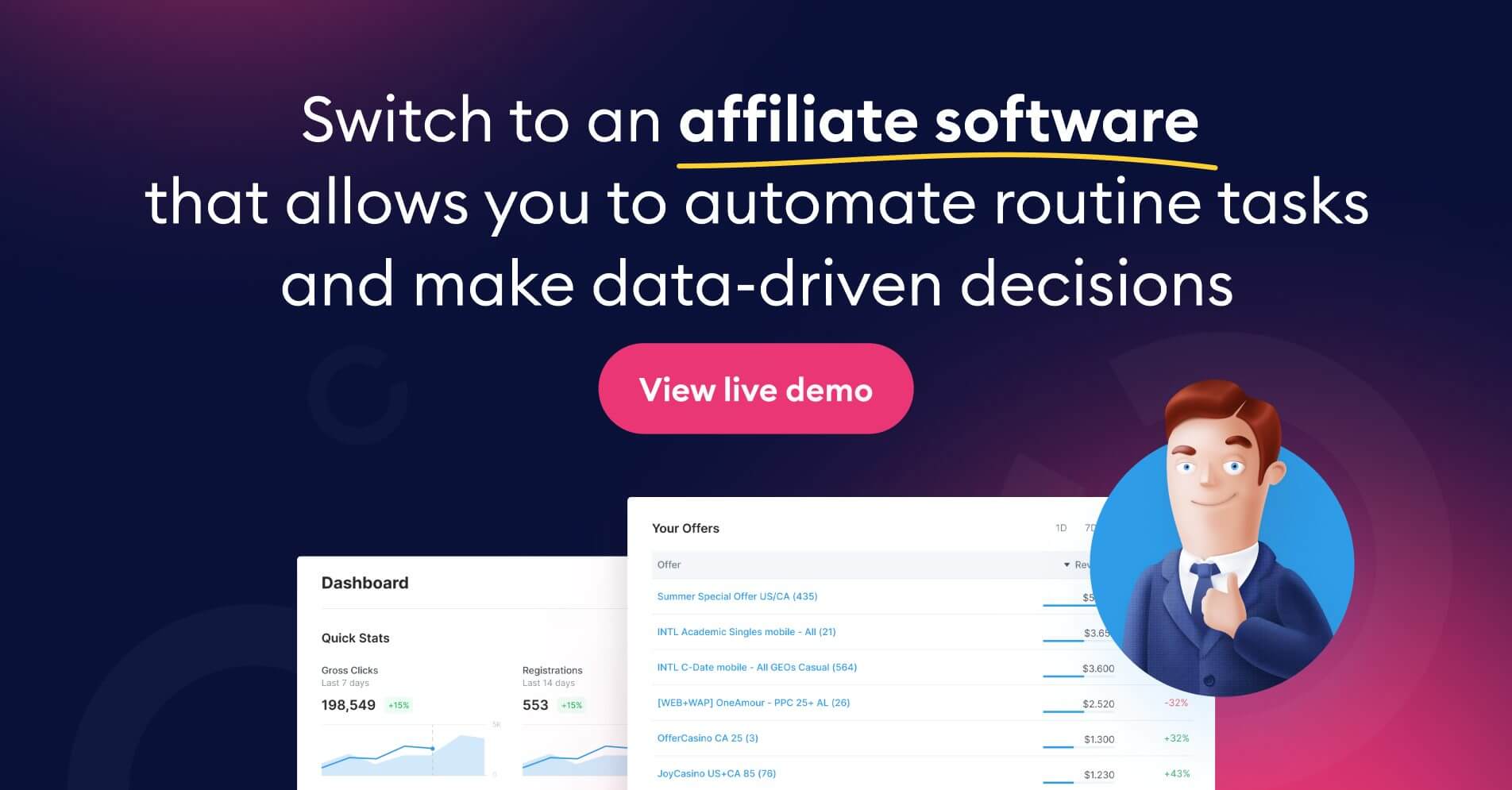
Looking for robust, modern B2B affiliate software to unify campaigns in one performance dashboard? Tired of slow reports and messy payouts? Try Scaleo free for 14 days—or book a demo and see how clean partner ops can be.