

Cookie session duration is one of the most essential elements to consider if you’re a merchant looking to launch an affiliate marketing program.
The cookie duration is the length of time that a customer’s browser will remember that they clicked through from an affiliate link. It’s vital because if a customer visits your store from an affiliate link and then makes a purchase later, the affiliate who sent the customer usually receives credit for the purchase—but only if their cookie is still active.

Setting an optimal cookie duration can be tricky. If it’s set too short, you might miss out on potential conversions, but if it’s set too long, you might be offering your affiliates too much of a reward.
In this blog post, we’ll look at how you can get the balance right and set a perfect cookie duration for your affiliate marketing program.
Let’s dive in!
Why Does Cookie Duration Matter in Affiliate Marketing?
Setting the right cookie duration for your affiliate marketing program is essential for a successful program. A cookie duration is the length of time that a cookie lasts for, and when it comes to affiliate marketing, being able to track customers accurately and efficiently is key to earning more revenue.
When it comes to setting the perfect cookie duration, it can be tricky. Too long, and you risk losing sales from customers who click through and buy from your affiliates before their cookies expire; too short, and you won’t be able to track or account for sales generated through your program.
The best practice for affiliate marketers is to set the cookie duration somewhere in the middle—you want it long enough to get credit for all sales generated, but not so long that customers decide to purchase elsewhere before their cookies expire.
Remember: customers don’t just shop once these days—research shows that they typically visit up to four sites and consult five sources before making a purchase. Think carefully about what length will work best for your program.
How Cookie Duration Works
Let’s break it down with a simple example:
- A potential customer clicks on your affiliate link and lands on a merchant’s website.
- A cookie is stored in their browser, recording that you referred them.
- The cookie keeps track of how long it will stay active (the cookie duration).
- If the customer completes a purchase within this timeframe, you get your commission.
- If the cookie expires before the purchase, you get nothing. Nada. Zip.
🕒 Typical Cookie Durations in Affiliate Marketing
| Type of Cookie Duration | Description 📝 |
|---|---|
| 24-hour Cookies ⏰ | Usually seen in programs like Amazon Associates. The cookie expires in 24 hours. |
| 30-Day Cookies 📅 | Common among most affiliate programs. Allows a month for the purchase. |
| 60-90 Day Cookies 🕰 | Rare, but generous programs offer this to entice affiliates to join. |
| Lifetime Cookies 🔥 | Super rare. Affiliates earn commissions for all future purchases. |
What Cookie Session Duration Top Brands Set For Their Affiliate Programs?
Below are 20 well-known affiliate programs and their cookie durations. These values are based on publicly available data from affiliate program T&Cs (but note they can change any time, so affiliates should always double-check the official program docs):
| Brand | Cookie Duration |
|---|---|
| Amazon Associates | 24 hours |
| eBay Partner Network | 24 hours (but up to 10 days for auctions if bid placed within 24h) |
| Walmart | 3 days |
| Target | 7 days |
| Best Buy | 1 day |
| Etsy | 30 days |
| Booking.com | 30 days |
| Expedia | 30 days |
| TripAdvisor | 14 days |
| Airbnb | 30 days |
| Nike | 30 days |
| Adidas | 30 days |
| Sephora | 24 hours |
| Macy’s | 10 days |
| Home Depot | 24 hours |
| Lowe’s | 24 hours |
| Apple (via TradeDoubler/Impact) | 24 hours |
| Microsoft Store | 14 days |
| Udemy | 7 days |
| Shopify | 30 days |
Why Cookie Duration Matters
Cookie duration is the silent MVP of affiliate marketing. It’s like the referee who decides if you win or lose. Here’s why:
- Commission Impact: Longer cookie durations increase your chances of earning commissions. A customer might take weeks—or even months—to decide on a purchase. If the cookie’s lifespan is too short, say goodbye to your commission.
- Competition Factor: Affiliates are always competing to be the “last-click.” If your cookie duration is short, another affiliate might swoop in and steal your commission at the last moment.
- Customer Behavior Insight: Not all customers convert immediately. Most users need multiple touchpoints before they buy. Understanding typical buying cycles helps affiliates choose programs with optimal cookie durations.
Factors That Affect Cookie Duration
Not all cookies are created equal, and their duration can vary wildly based on several factors:
| Factor 🛠 | Explanation 🌐 |
|---|---|
| Merchant’s Choice 🏢 | Merchants set cookie durations based on their business model, margins, and customer journey. |
| Affiliate Networks 🔗 | Some networks enforce standard cookie durations across all programs, like 30 days or less. |
| Regulations ⚖️ | Privacy laws like GDPR may affect how cookies function, sometimes limiting their lifespan. |
| Device and Browser 🖥 | Different browsers handle cookies differently; some clear cookies more frequently than others. |
Short vs. Long Cookie Durations: The Pros and Cons
Short Cookie Durations (24 Hours to 7 Days)
Pros
- ✅ Quick Turnover: Encourages rapid sales and conversions.
- ✅ Low Cost for Merchants: Limits long-term commission payouts.
Cons
- ❌ Less Opportunity: Doesn’t give customers enough time to make a purchase decision.
- ❌ High Competition: Affiliates must work harder to get that last click.
Long Cookie Durations (30 to 90 Days)
Pros
- ✅ Higher Earnings Potential: Gives customers ample time to decide and purchase.
- ✅ Better for Complex Sales: Works well for products with more extended consideration periods, like tech or luxury items.
Cons
- ❌ More Risk for Merchants: Merchants may pay commissions for sales they might have captured organically.
- ❌ Tracking Complications: More complex tracking and higher chances of cookie overwrite.
Lifetime Cookies
These are the unicorns of the affiliate world. Lifetime cookies track all future sales made by the referred customer, regardless of how much time has passed.
Pros
- ✅ Max Earnings: Capture all sales from the referred customer, forever.
- ✅ Low Competition: Once tagged, always credited.
Cons
- ❌ Extremely Rare: Few programs offer lifetime cookies due to high costs for merchants.
- ❌ Risk of Abandonment: Affiliates might relax their efforts, thinking they have ‘secured’ the customer.
Industry Examples of Cookie Durations
- Amazon Associates: 24-hour cookie. Yep, just a day. Fast and furious. Great for impulse buys, not so much for thoughtful shopping.
- eBay Partner Network: 7-day cookie. Slightly better, but still pretty short.
- Shopify Affiliate Program: 30-day cookie. A solid standard for most affiliates, balancing risk and reward.
- ClickBank: Typically offers 60-day cookies, which work well for digital products where buyers need a little more time.
How Long Should the Cookie Duration Be?
The right cookie duration can make or break your affiliate marketing program, as it needs to meet the needs of both parties involved.
When setting the cookie duration, consider that shorter durations will encourage affiliates to drive more traffic to your website, while longer durations will allow them to earn from a larger customer base.
The ideal cookie duration should be long enough for customers to return and make multiple purchases but short enough for affiliates to dedicate themselves and incentivize customers.
A good starting point would be between 30 and 90 days, depending on the product/service you’re offering and industry trends.
This duration gives customers enough time to make decisions, as most online purchases are not impulsive. At the same time, this allows affiliates enough time to follow up with their referrals and build customer loyalty over a longer period.
How to Choose the Right Cookie Duration for Your Affiliate Strategy
Choosing the right cookie duration depends on what you’re promoting and your target audience. Here are a few tips:
- Know Your Audience: Are they impulse buyers, or do they like to mull things over? A 24-hour cookie isn’t ideal for thoughtful buyers.
- Match Product Complexity: Selling software or high-ticket items? Opt for programs with longer cookie durations.
- Review Program Terms: Always read the fine print. Merchants sometimes update cookie policies without much notice.
- Leverage Retargeting: Use tools that retarget customers to increase conversions within your cookie window.
Optimizing with Scaleo for Maximum Profit
Using the right affiliate program software can maximize your commissions by offering advanced cookie tracking and analysis.
Scaleo steps up the game with features like funnel reports, KPI and player reports, advanced user roles, and unlimited customizations. You can monitor your cookie performance, tweak campaigns, and make data-driven decisions effortlessly.
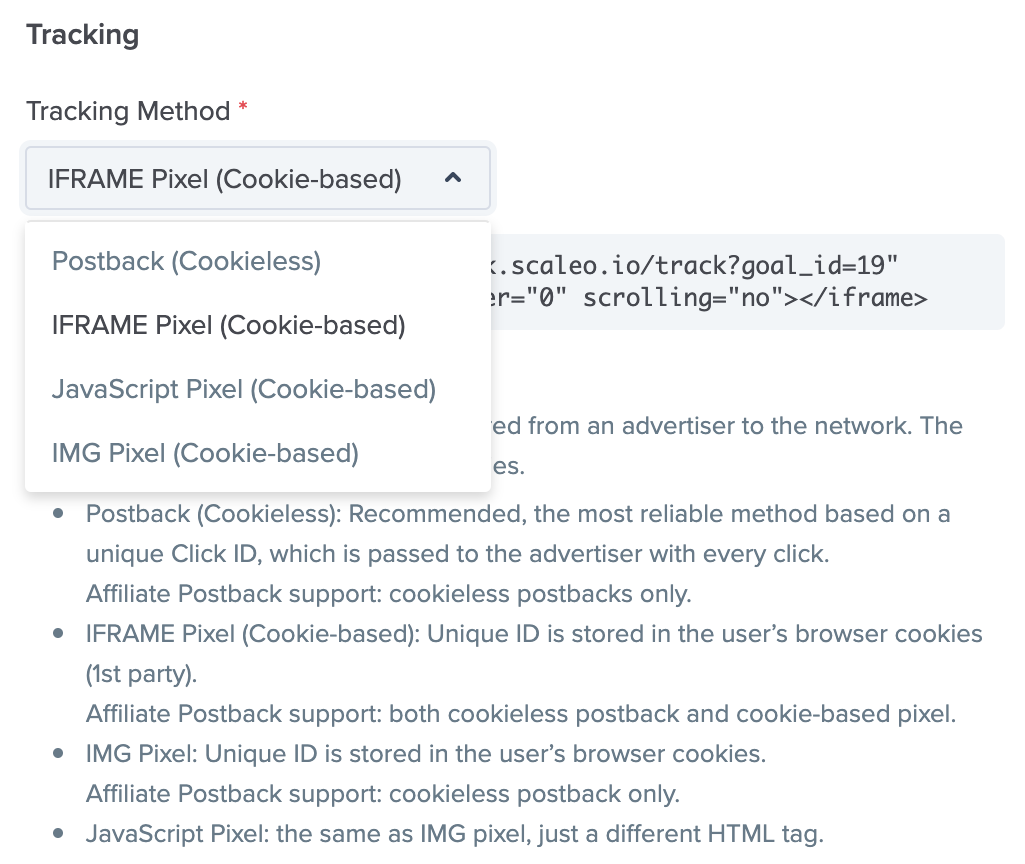
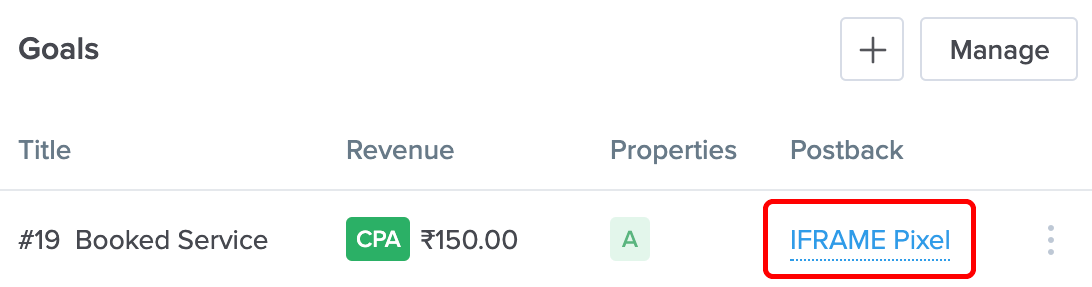

Plus, Scaleo allows you to set custom cookie durations tailored to your strategy, giving you a serious edge.
Pros and Cons of Short Cookie Durations
Short cookie durations certainly have their advantages and disadvantages.
On the one hand, they can provide affiliates with more frequent payment cycles, allowing them to more quickly recognize the rewards for the valuable traffic they are driving.
Conversely, short cookie durations may lead to fewer conversions, which in turn translates to fewer commissions for affiliates.
The 3 main pros and cons of short cookie durations can be summarized as follows:
| Pros | Cons | |
|---|---|---|
| 1 | Affiliates receive payments more frequently | Shorter time periods between initial interest and actual conversions |
| 2 | Short-term success can be recognized more easily | Potentially leads to fewer conversions overall |
| 3 | Easier to customize payments in relation to promotion activities | Less long-term potential for overall program growth |
Pros and Cons of Long Cookie Durations
Choosing a cookie duration is an important decision for affiliate marketers. It affects how an affiliate’s performance is rewarded, how your products are promoted, and even how customers purchase.
However, there are pros and cons to each duration and timing. Let’s take a look at the pros and cons of choosing a long cookie duration:
Pros of Long Cookie Durations
- Encourage affiliates to develop long-term customer relationships by offering rewards for repeat purchases over time.
- Improved customer satisfaction by keeping customers in the same purchase cycle, rather than starting from scratch after every purchase.
- Offers incentives for affiliates to be more creative in creating promotional campaigns that get potential buyers interested in your products or services over time.
Cons of Long Cookie Durations
- This can reduce affiliates’ ability to quickly provide high-performing campaigns due to the time it takes to generate sales through long-term efforts.
- This can create confusion for customers who may find themselves buying from multiple affiliates within the same cookie duration, resulting in fewer commissions for any single affiliate.
- It may reduce customer loyalty if customers feel as though they are constantly being asked to repurchase or enter a new purchase cycle with each visit to your site or store.
How to Change Your Affiliate Cookie Duration: A Detailed Guide
Setting the right cookie duration in your affiliate marketing program is crucial for balancing affiliate engagement with customer value. It’s not just about picking a number—it’s a strategic decision that can directly affect your conversions and commissions.
So, how can you tweak your cookie duration effectively?
Let’s dive deep into the steps and factors you should consider.
Step 1: Analyze Your Current Cookie Duration
Before making any changes, you must thoroughly understand your existing cookie duration settings. This involves checking your affiliate dashboard and diving into your analytics data to see how long cookies are currently set to last.
Why is this important? Because it gives you a baseline. Knowing the status quo helps you understand your current performance and decide if a change is necessary. For instance, are you losing out on potential commissions due to a short cookie lifespan? Or are extended cookies increasing your liability without enough added value?
Step 2: Review Your Affiliate Network Rules
Each affiliate network has its own set of cookie policies, which can vary a lot. Some networks might have standard settings, while others offer flexibility that you can take advantage of.
Here’s a quick comparison of popular networks:
| Affiliate Network | Default Cookie Duration | Policy Flexibility |
|---|---|---|
| Amazon Associates 🛍️ | 24 hours | No extensions, strict on last-click. |
| ClickBank 📈 | 60 days | Some merchants allow custom durations. |
| Commission Junction 📊 | 30 days | Adjustable depending on the merchant. |
| Rakuten 💼 | 30 days | Merchants can customize; standard is 30 days. |
Action Point: Check your network’s rules on cookie duration. This will keep you compliant and help identify areas where you might be able to negotiate longer durations.
Step 3: Test Different Cookie Durations
Testing is where the real magic happens. Start by experimenting with shorter durations—like 7 days—and gradually increase to 30, 60, or even 90 days. Monitor the data closely to see how changes affect affiliate engagement and conversion rates.
Key Metrics to Track During Testing:
- Conversion Rate: How many clicks turn into sales? Longer durations generally improve this.
- Affiliate Engagement: Are affiliates more motivated to promote when cookies last longer?
- Customer Behavior: Are customers taking longer to convert? Track how their journey impacts your sales timeline.
Pro Tip: Use A/B testing methods to see which duration works best. Try running simultaneous campaigns with varying cookie lengths and analyze the differences. This data-driven approach will give you clear insights into what duration maximizes your program’s success.
Why Cookie Duration Matters: Statistics and Insights
Let’s take a look at some industry stats to understand the impact of cookie duration:
- Short Cookie Durations (1-7 days): Common in high-traffic programs like Amazon. These durations typically result in higher conversion rates because they cater to impulse buyers, but they often miss out on long-consideration purchases.
- Medium Cookie Durations (30-45 days): Found in programs like Commission Junction and Rakuten. These durations balance between capturing quick purchases and allowing customers time to decide. Most programs stick to this range as a default.
- Long Cookie Durations (60+ days): ClickBank’s 60-day window is an example. Longer durations capture late conversions but also increase merchant risk, as affiliates get credited for purchases that might have happened organically.
Top Affiliate Networks and Their Cookie Duration Policies
Understanding how the top affiliate networks handle cookie duration can help you benchmark your own program effectively:
| Network | Default Duration | Adjustability | Best For |
|---|---|---|---|
| Amazon Associates | 24 hours | Fixed | High-volume, low-cost items |
| ClickBank | 60 days | Adjustable in some cases | Digital products, info products |
| Commission Factory | 30 days | Can be extended based on agreements | Retail and e-commerce |
| ShareASale | 30 days | Merchants can set different limits | Versatile across niches |
Insight: Shorter cookies often translate to higher immediate conversion rates but can lose out on deferred purchases. The key is finding a sweet spot where your affiliates feel incentivized, and your program remains profitable.
Tips for Optimizing Your Cookie Duration Policy
- Match Duration with Product Type: High-consideration products (like tech or luxury goods) need longer cookies to accommodate the buyer’s decision-making process.
- Communicate with Affiliates: Keep your affiliates informed about changes in cookie policies. Longer cookies often attract more engaged and loyal affiliates.
- Monitor Performance Regularly: Use advanced analytics tools like those available on Scaleo to keep track of how cookie duration adjustments impact your overall performance.
- Consider Seasonality: Adjust cookie durations around key sales periods like holidays, when customers may take longer to convert.
Why Choose Scaleo to Power Your Affiliate Program?
If you’re looking for a reliable and flexible way to power your affiliate program, try Scaleo. Scaleo is a leader in the field, offering several advantages that make it the perfect choice.
Cloud-Based Platform
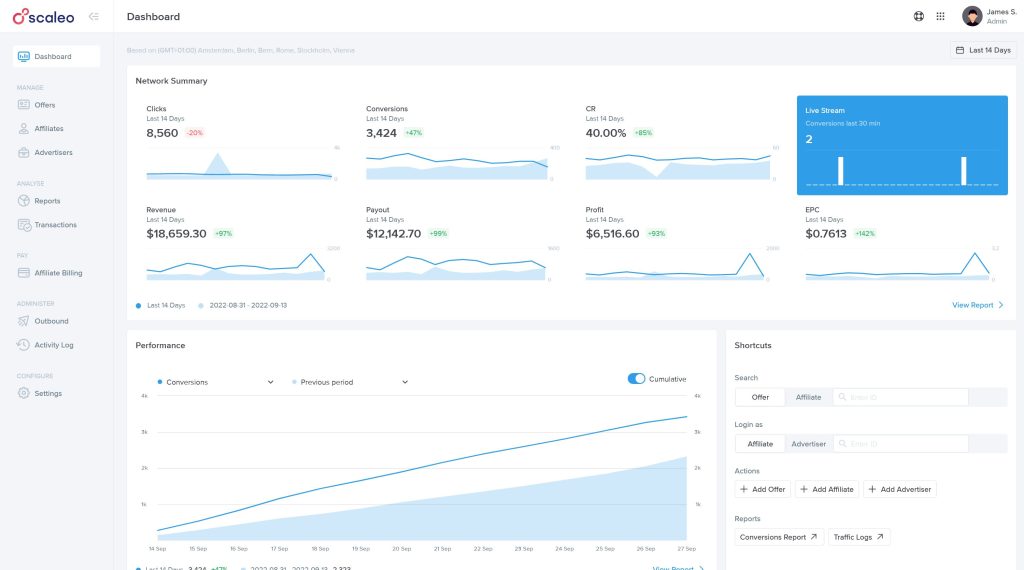
Scaleo’s cloud-based platform allows for easy access from anywhere and can grow with your business. You can manage different programs on a single dashboard, making it easy to keep track of activity, commissions and other data points.
Flexible Cookie Duration
Scaleo offers flexible cookie duration configurations so you can choose the length that works best for your program. You can customize the duration from anywhere between 3 days and 1 year, giving you complete control over how long customers have to purchase for you to receive commission credit.
This ensures that even if customers don’t purchase directly on their first visit, you’ll still be able to track them after they leave your site and get rewarded when they come back and complete their purchase within the cookie duration timeframe.
Conclusion
As an affiliate, it’s important to think about the cookie duration when selecting an affiliate program. A cookie duration that is too short may reduce the chance of conversions, and too long may reduce the lifetime revenue potential. It’s essential to have a thorough understanding of how cookies work and what cookie duration will best suit an affiliate’s needs.
To maximize the success of an affiliate program, the cookie duration should be tailored to the individual affiliate’s goals. Consider their target audience, the type of product they are selling, the competitive landscape and industry standards when deciding on the cookie duration. With the right cookie duration, affiliates can maximize their lifetime revenue and create a successful, long-term affiliate marketing program.

Affiliate Marketing Cookie Session Duration FAQ
Cookie duration in affiliate marketing refers to the time period for which a tracking cookie, placed on a user’s device when they click an affiliate link, remains active. This duration is important because it determines the window during which affiliates can earn a commission if the user makes a purchase or completes another predefined action.
Longer cookie durations provide affiliates with a greater opportunity to earn a commission, as users have more time to make a purchase after clicking the affiliate link. This can lead to higher conversion rates, as affiliates are motivated to promote your products and attract more potential customers.
Factors to consider when setting cookie duration include the type of product or service being promoted, the average buying cycle, industry standards, and your affiliates’ preferences. You should also consider the balance between providing a fair opportunity for affiliates to earn commissions and ensuring the effectiveness of your marketing spend.
Longer cookie durations generally lead to higher earnings for affiliates, as they have a larger window to earn commissions. This can increase their motivation to promote your products and generate more sales. However, excessively long durations may not provide additional benefits and could lead to increased marketing costs.
Cookie durations can vary widely across industries, but some common durations include 30, 60, or 90 days. However, it’s essential to consider your specific business and affiliate partners when setting your program’s cookie duration.
Using an affiliate tracking platform, you can set up custom cookie durations for different partners or campaigns. This allows you to optimize your program by offering more extended durations for high-performing affiliates or adjusting durations based on specific promotional strategies.
Yes, advanced affiliate marketing platforms allow you to implement dynamic cookie durations based on user behavior, traffic source, or other variables. This can help you optimize your program by rewarding high-value traffic and adjusting cookie durations according to user engagement.
First-click attribution gives credit to the affiliate who first referred the user, while last-click attribution credits the affiliate who provided the final referral before the user completed a desired action. Cookie duration plays a role in both attribution models, as it determines the window during which affiliates can earn a commission.
Using an affiliate tracking platform, you can monitor your program’s performance, including conversion rates, average order value, and other key metrics. By analyzing this data, you can identify trends and optimize your program by adjusting cookie durations to improve performance and maximize ROI.
Yes, privacy regulations such as the GDPR and CCPA require transparency and user consent to store cookies on their devices. It’s essential to ensure that your affiliate program complies with relevant laws and that users are informed about the cookies being used, their purpose, and their duration.