

What is the best free affiliate tracking software?
The best free affiliate tracking tools in 2026 are GoAffPro (Best for E-commerce), Reditus (Best for SaaS), and Systeme.io (Best for Marketing Funnels). For WordPress users, PrettyLinks and SliceWP offer robust free versions. However, for high-volume operators requiring S2S tracking and fraud protection, professional tools like Scaleo are required to prevent data loss from Safari ITP and ad-blockers.
Free affiliate tracking software is hard to find because most high-quality affiliate software products, such as Scaleo, are subscription-based.
“Free” is a dangerous price tag in the affiliate marketing world.
🚀 2026 Startup Decision Matrix
| If You Are A… | Best Free Tool | Why? |
|---|---|---|
| B2B SaaS | Reditus | Direct Stripe integration for recurring commissions. |
| Shopify/DTC Store | GoAffPro | One-click install; generous free tier for small volume. |
| WordPress Blogger | PrettyLinks | Easiest link cloaking and outbound click tracking. |
| Media Buyer/Network | Scaleo (Trial) | Prevents CPA fraud and handles S2S postbacks. |
When you are bootstrapping a side project, finding free affiliate marketing software that doesn’t crash your server is a lifeline. But when you are scaling an operation to six figures, relying on a free affiliate management software often translates to “expensive technical debt.” I have seen businesses lose 20% of their revenue simply because their free affiliate tracking script couldn’t handle Server-to-Server (S2S) postbacks or got blocked by the latest Safari privacy update.
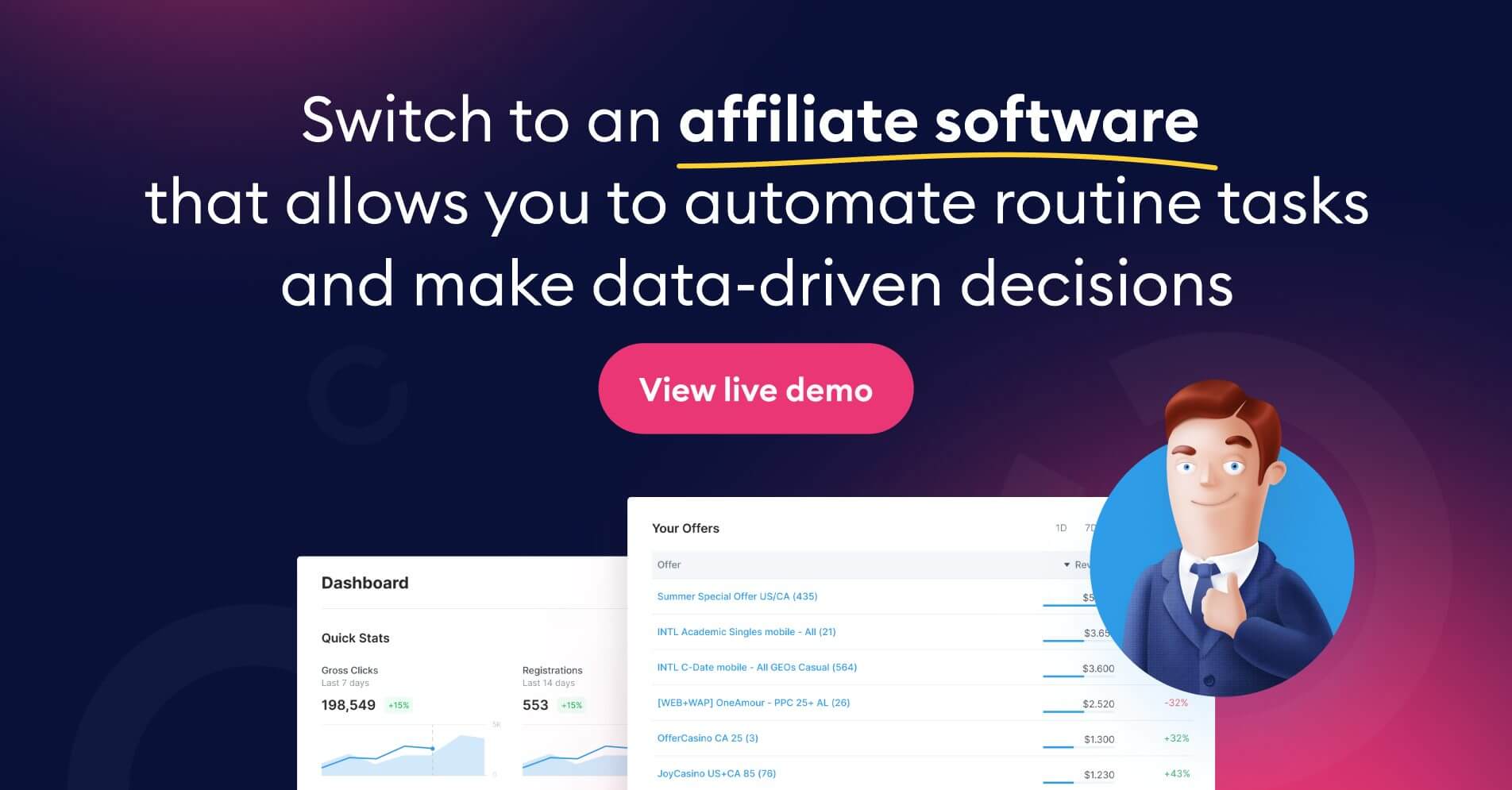
However, budget constraints are real. Whether you are a startup looking for cheap affiliate software to validate an offer, or a developer building a custom affiliate management system, you need to know what options exist—and more importantly, where the landmines are buried.
This is not just a list of affiliate marketing tools. This is an architectural breakdown of the top 25 affiliate tracking platforms available today, graded by a 20-year industry veteran.
Who This Guide Is Actually For?
Not every affiliate tracking tool is built for the same kind of business. That is where many software roundups become misleading.
This guide is mainly for four groups:
1. Brands and operators running their own affiliate program
If you need to recruit affiliates, assign commission plans, track clicks and conversions accurately, monitor fraud, and automate payouts, you need a real affiliate management platform — not just a link plugin.
2. SaaS companies and subscription businesses
Recurring billing creates a different tracking problem. You need software that can handle recurring commissions, subscription attribution, and integration with payment systems such as Stripe or Paddle.
3. E-commerce stores and DTC brands
If your program is tied to Shopify, WooCommerce, or BigCommerce, ease of setup may matter more than deep customization. Some tools in this list are built exactly for that.
4. Affiliates, bloggers, and solo marketers
If you only need to cloak links, track outbound clicks, or organize affiliate URLs inside WordPress, a lightweight plugin may be enough. But that is very different from running a partner program at scale.
Top 25 Free & Affordable Affiliate Tracking Software in 2026
This list will allow you to start an affiliate marketing business regardless of your budget!
| Software Name | Type / Description
Plugins work inside WordPress. SaaS platforms are standalone and usually more powerful.
|
Pricing Model
Costs can vary based on traffic or add-ons.
|
|---|---|---|
| Premium SaaS. All-in-one affiliate management & tracking. | 14-Day Free Trial | |
| 2. AffiliateWP | WordPress Plugin. Fully featured basic tracking. | Paid Plugin |
| 3. eLitius | Open-source software. Self-hosted. | 100% Free |
| 4. LinkTrack | Simple link tracking service. | Free Basic |
| 5. PeerClick | SaaS Tracker. Focuses on real-time results. | Free Tier |
| 6. AffTrack | Enterprise SaaS solution (US-based). | Free Version |
| 7. WeCanTrack | Data Integration for Google Analytics & Ads. | Free WP Plugin |
| 8. AffiliateClick | Simple script for commission-based programs. | Free Script |
| 9. Affiliates Manager | WP Plugin. Good for simple or complex setups. | Free WP Plugin |
| 10. MPA3 | Legacy Script. Older style, self-hosted. | Free Download |
| 11. LeadDyno | SaaS Platform. Strong API integrations. | Free 30-Day Trial |
| 12. Affiliates Manager | WP Plugin. No limit on affiliate numbers. | Free WP Plugin |
| 13. ThirstyAffiliates | Link Cloaker & Manager for WordPress. | Free WP Plugin |
| 14. Affiliate Coupons | WooCommerce Plugin. Advanced coupon stats. | Free for Woo |
| 15. Tracking Code Mgr | Script Manager. Manage all 3rd party pixels. | Free WP Plugin |
| 16. Easy Affiliate Links | Basic Tracker. Cloak and manage links. | Free WP Plugin |
| 17. Affiliate Power | Import Tool. Syncs network sales to WordPress. | Free WP Plugin |
| 18. MyAP | Enterprise App. For retailers growing channels. | Free App |
| 19. ULUD | Flexible Platform. Mobile & web partnerships. | Free |
| 20. Skro | Cloud SaaS. Analytics for media buyers. | Free |
| 21. NiftyStats | Desktop App. Aggregates all your stats. | Free Desktop App |
| 22. GoAffPro | E-commerce Tool. Great for small business. | Free |
| 23. Offer18 | SaaS Platform. Tracking & promoting campaigns. | Free Trial |
| 24. Reditus | B2B SaaS Tool. Recruit via marketplace. | Free |
| 25. PrettyLinks | Link Manager. Shorten & track URLs. | Free WP Plugin |
If you are looking for high-end, premium SaaS providers or more expensive alternatives to affordable affiliate software, check out our premium affiliate tracking software resource page.
What is Affiliate Tracking Software?
If you are new to the game, start here.
Affiliate tracking software is the technology that attributes a conversion (sale, lead, or install) to the specific partner who drove the traffic. It acts as the impartial ledger between the advertiser and the publisher.
At its core, any affiliate tracker must do three things:
- Generate Tracking Links: Create unique URLs (e.g.,
site.com?ref=123) for each partner. - Record Clicks & Conversions: accurate affiliate link tracking is the backbone of the industry.
- Calculate Commissions: Automatically determine if a partner is owed a flat fee (CPA) or a percentage of the sale (RevShare).
If you are looking for affiliate marketing software free download links, be warned: modern tracking is cloud-based. Downloading a script to your own server is rarely the right move in 2026.
Affiliate Tracking Software vs Affiliate Management Software
These two terms are often used interchangeably, but they are not the same thing.
Affiliate tracking software focuses on attribution. It records the click, identifies the source, stores the referral data, and matches the eventual conversion to the correct affiliate.
Affiliate management software goes further. It includes the operational layer around the tracking:
- affiliate onboarding
- approval workflows
- commission plans
- performance reporting
- fraud controls
- invoicing
- mass payments
- partner communication
💡 Affiliate Tracking Software vs Affiliate Management Software: Affiliate tracking software tells you what happened. Affiliate management software helps you run the business around it.
This distinction becomes critical once your program moves beyond a handful of partners. A simple plugin may be enough to generate links and count clicks, but the moment you need tiered commissions, delayed approvals, lead validation, or billing logic, lightweight tools start to break down.
That is why many companies begin with a low-cost or free affiliate tracker, then eventually migrate to a full affiliate management platform once revenue, traffic volume, or fraud exposure increases.
How to Choose the Best Affordable Affiliate Tracking Software?
Don’t just pick the one with the best logo.
When evaluating affiliate management solutions, ignore the marketing fluff and ask these three questions:
- Is it Server-Side or Client-Side? Most free affiliate programs and plugins rely on browser cookies (client-side). If a user has an ad blocker, you lose the data. Professional affiliate program monitoring requires Server-to-Server (S2S) tracking.
- Can it Handle Scale? A WordPress plugin might work for 10 clicks a day. But if you hit 10,000 clicks, will your affiliate program software crash your database? (Spoiler: Yes, it often will).
- Does it Support Fraud Protection? Free affiliate marketing apps rarely filter bot traffic. If you pay per click or lead, you might be paying for junk.
Category A: The “Freemium” SaaS Trackers (Cloud-Based)
The most modern approach. You get professional infrastructure, but you are capped by volume.
1. Scaleo (The Operator’s Choice)
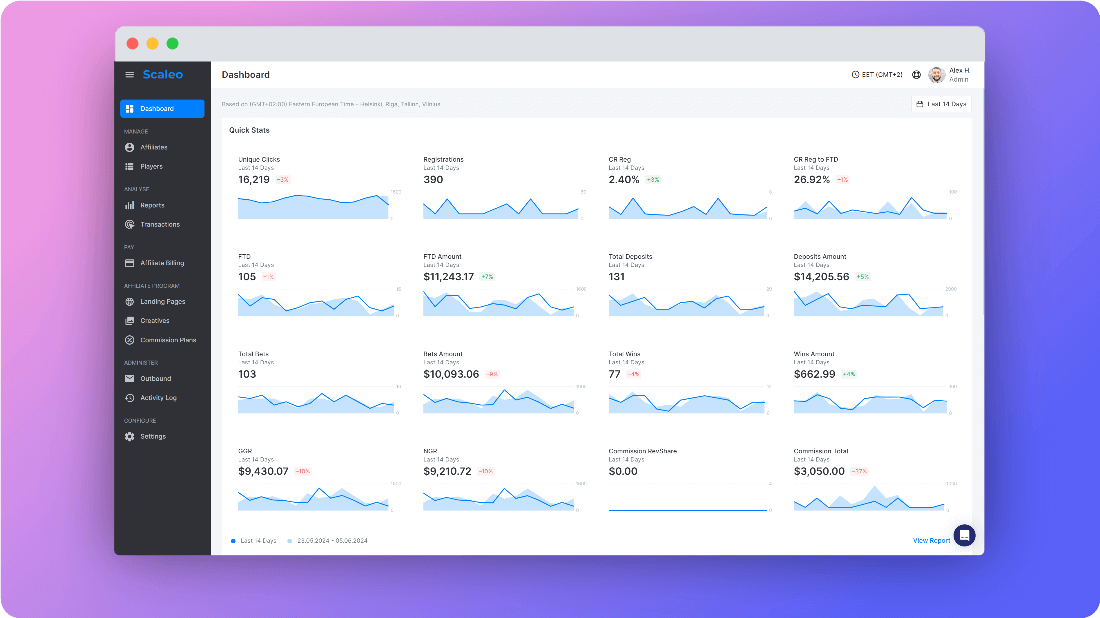
I am placing Scaleo at the top of this list to address the elephant in the room: attribution accuracy.
Most free affiliate software relies on client-side pixels (JavaScript). In 2026, client-side tracking is dying due to ITP (Intelligent Tracking Prevention). If your affiliate marketing management software relies on a cookie, you are missing 15-30% of your sales data.
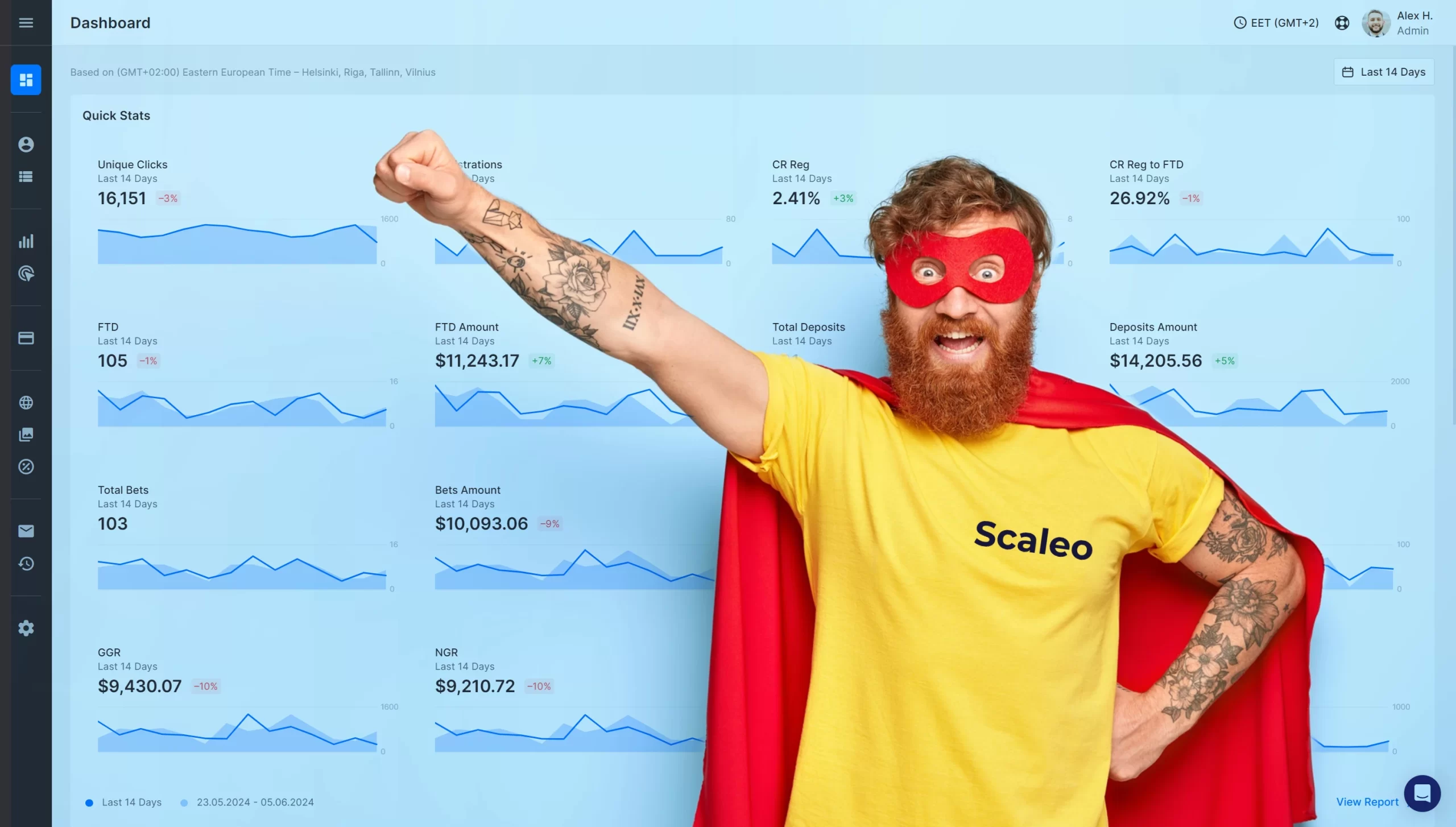
Scaleo is an enterprise-grade SaaS. While it is not “forever free,” the 14-day full-access trial is the industry standard for operators who need to validate a high-volume campaign without upfront risk.
- The Veteran’s Take: Use Scaleo if you need S2S tracking. If you are buying media from Google or Facebook, you cannot use a simple WP plugin. You need a platform that acts as a logic layer between the traffic source and your billing system.
- Key Feature: Anti-Fraud Logic. Basic affiliate tracking software free versions count every click. Scaleo analyzes them. If a click comes from a known bot farm, we flag it before you pay for it.
2. Reditus
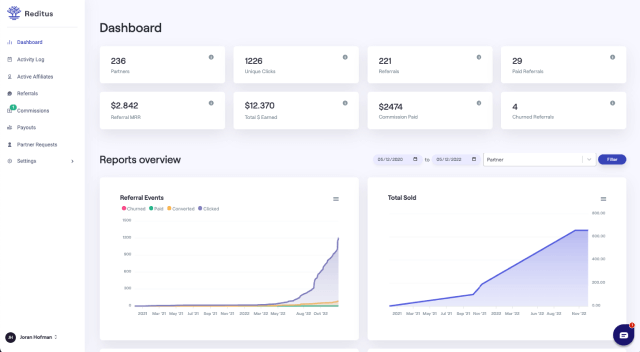
Reditus has carved out a very specific niche: B2B SaaS. If you run a subscription software company and use Stripe, Reditus is a strong contender among affiliate management platforms. Their free tier allows you to list your program in their marketplace, which can help with recruitment.
- The Limitation: It is purpose-built for SaaS. If you are doing e-commerce or lead generation, the workflow will feel alien.
3. PeerClick
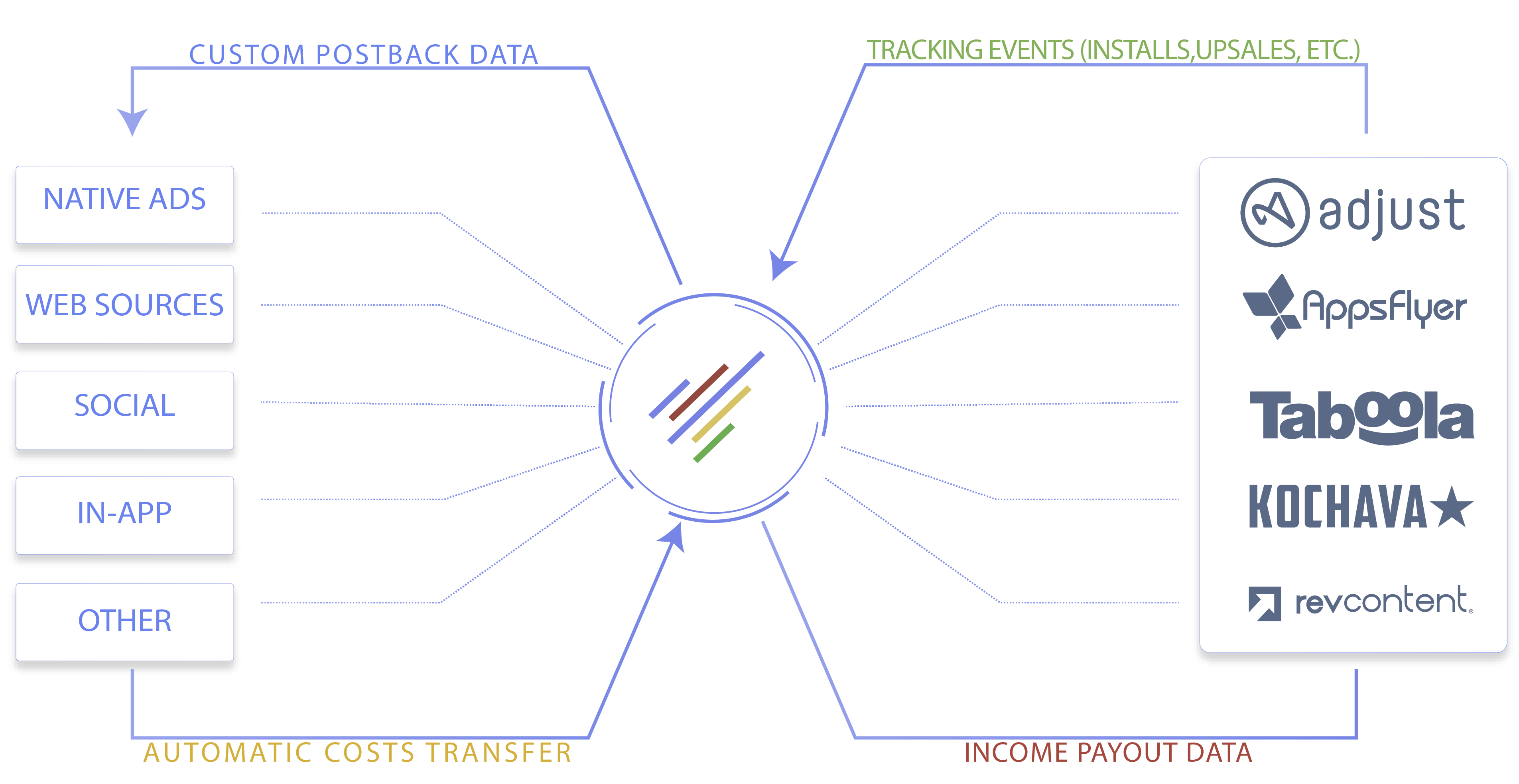
PeerClick is a cloud-based affiliate marketing tracker designed primarily for media buyers, not necessarily program managers.
- The “Free” Reality: They offer a generous free tier (often up to 100,000 events).
- The Veteran’s Take: It’s fast. Their redirect servers are globally distributed, minimizing click loss. However, once you hit that event cap, it is no longer cheap affiliate software; the pricing ramps up steeply.
4. Skro
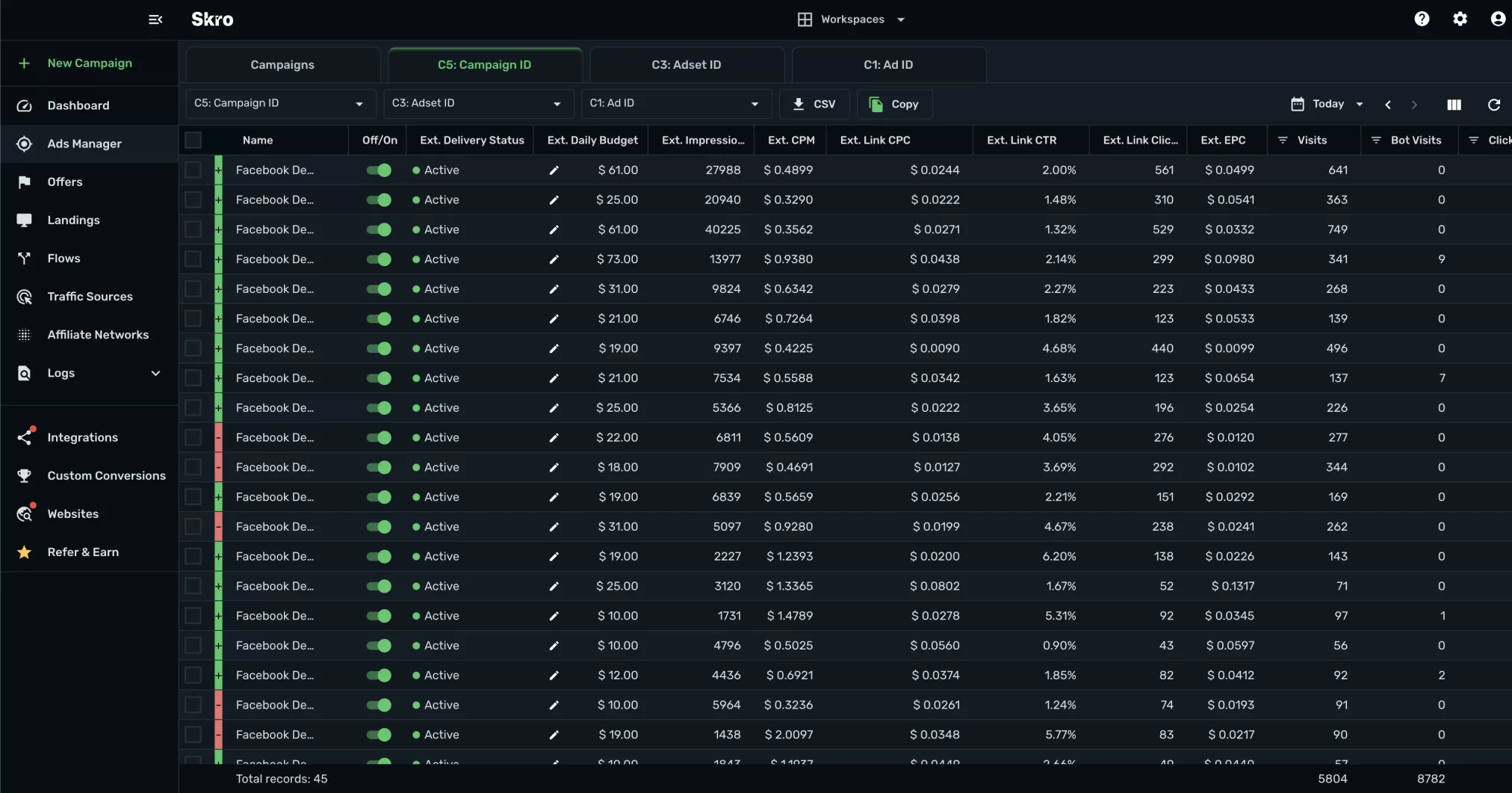
Skro is a newer entrant that has gained traction for its clean UI and focus on mobile attribution.
- The Usage: It sits between your traffic source and your landing page, making it one of the more agile free affiliate marketing tools for solo marketers.
- The Verdict: A solid choice for tracking personal campaigns, but it lacks the complex affiliate manager software features (like tiered payouts) that a network needs.
5. LeadDyno
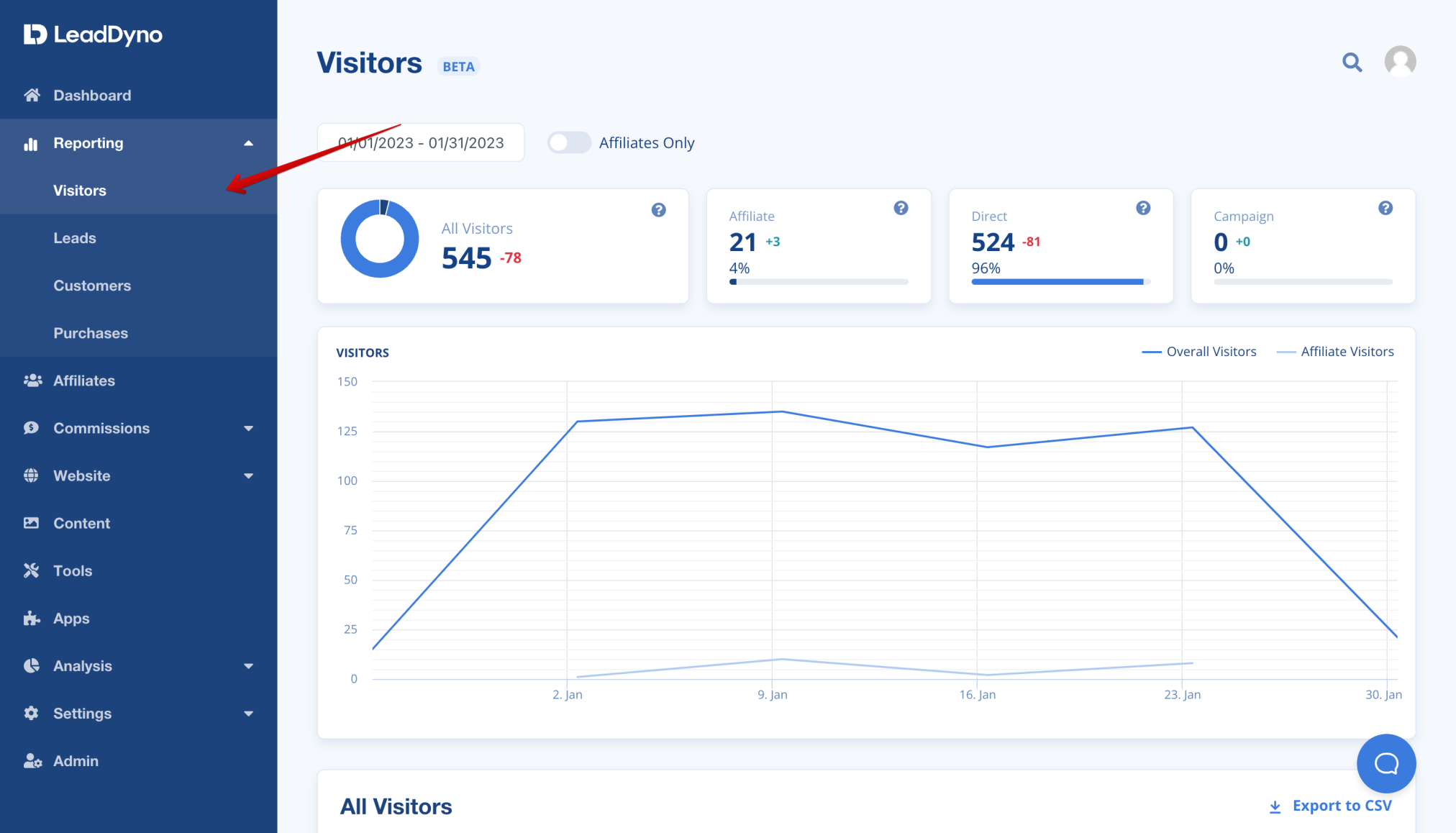
LeadDyno is heavily integrated into Shopify and BigCommerce.
- The Workflow: It is designed for “set it and forget it” installation.
- The Veteran’s Take: One of the best affiliate marketing software options for retail brands selling physical goods. It struggles with complex lead-gen funnels.
6. Offer18
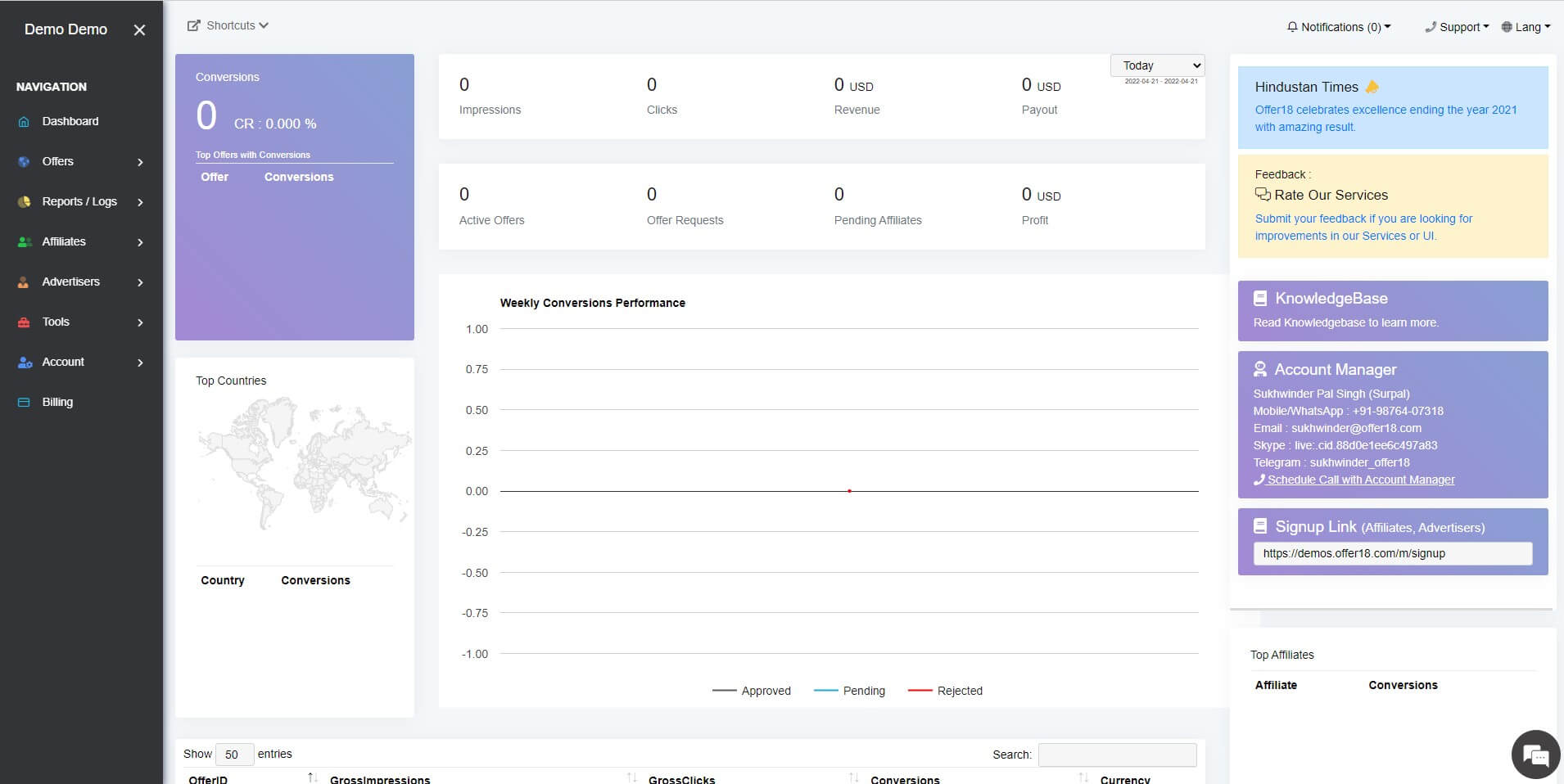
Offer18 positions itself as a cost-effective solution for ad networks.
- The Architecture: It mimics the feature sets of giants (like TUNE) but serves as a more affordable affiliate tracking software alternative.
- The Fit: If you are starting a small ad network and need to manage 50+ affiliates, this is a strong “budget enterprise” option.
7. GoAffPro
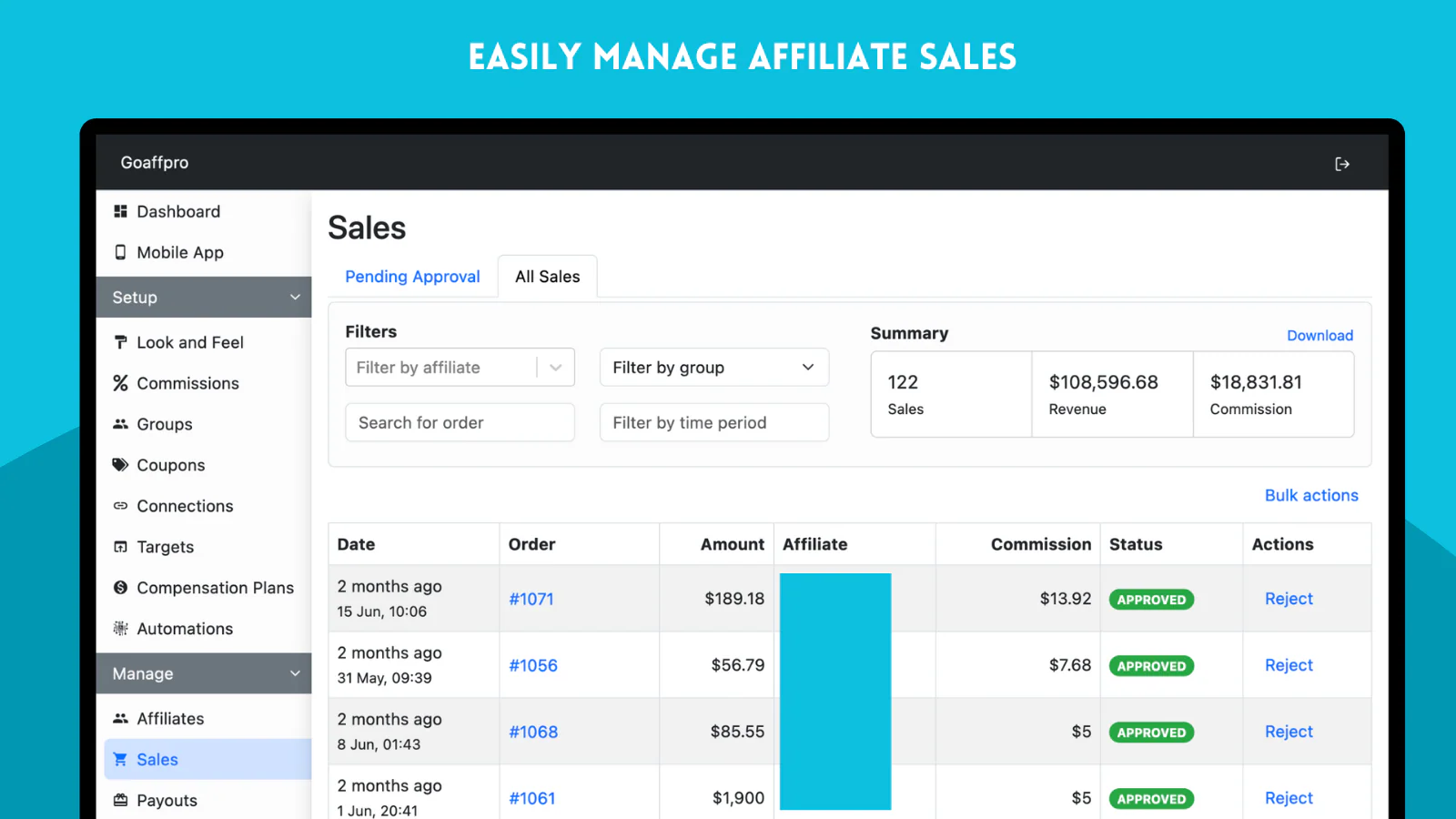
A dominant player in the dropshipping space and often cited as the best free affiliate marketing software for Shopify users.
- The Free Tier: You can run a full program on the free tier, though you will have “Powered by GoAffPro” branding on your portal.
- The Veteran’s Take: If you are running a low-margin dropshipping store, this is your best starting point.
Category B: The WordPress Ecosystem (Self-Hosted Plugins)
Best for: Content sites and low-volume stores. Warning: These run on YOUR server.
8. AffiliateWP
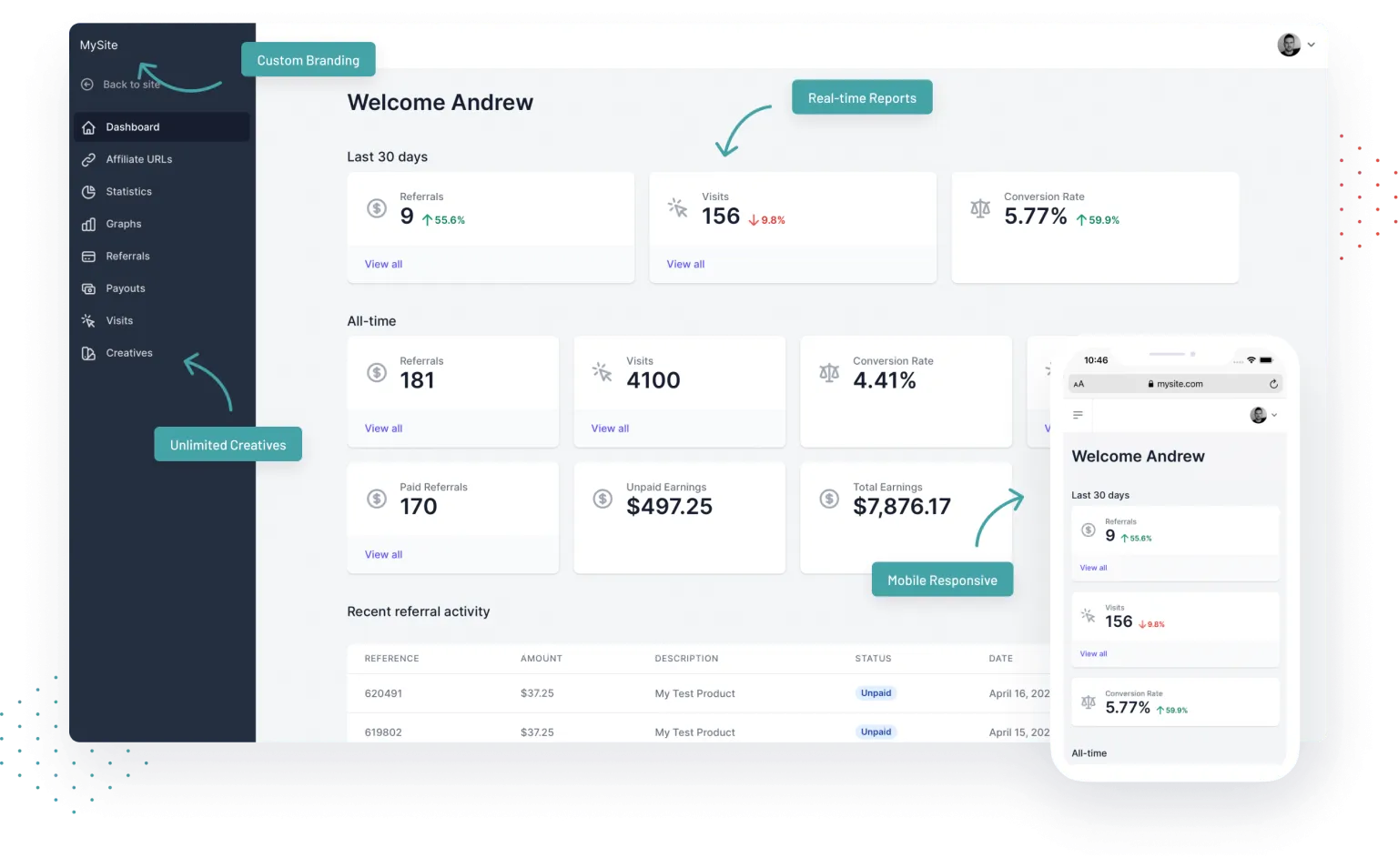
This is widely considered the “Gold Standard” for WordPress.
- The Cost: It is a paid plugin, but has no monthly fees, making it “mathematically free” over time compared to SaaS.
- The Architecture: It lives inside your WordPress database.
- The Risk: Database bloat. If you have 10,000 clicks a day, AffiliateWP writes 10,000 rows to your database. I have seen this crash shared hosting servers. Use with caution if you expect high volume.
9. ThirstyAffiliates
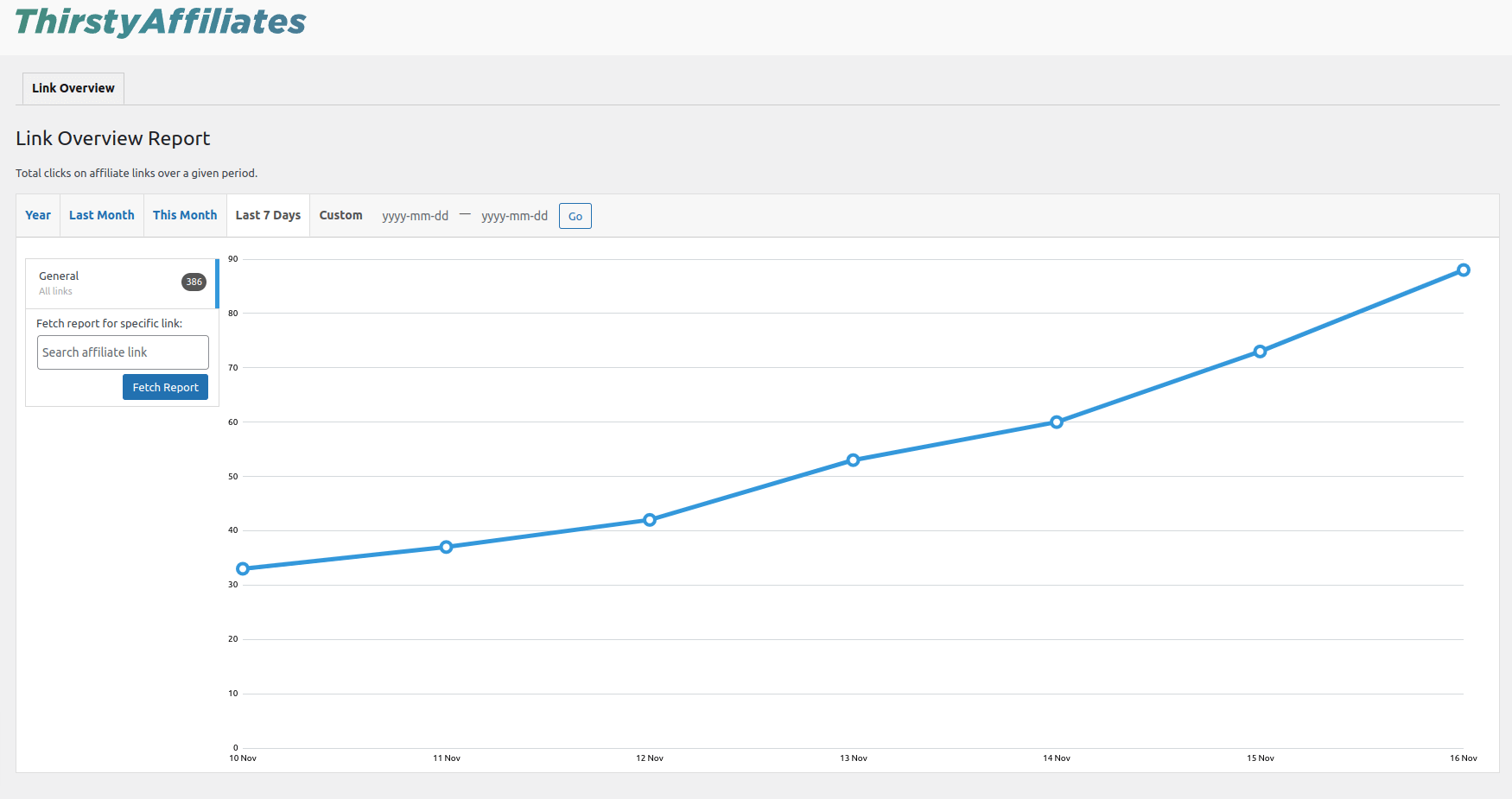
ThirstyAffiliates started as a “Link Cloaker” but has evolved into a light affiliate tracking platform.
- Use Case: Perfect for bloggers. It manages your outbound links and provides basic click stats.
- Limitation: It is not an affiliate management app for inbound partners. It tracks your clicks, not clicks from partners sending traffic to you.
10. SliceWP
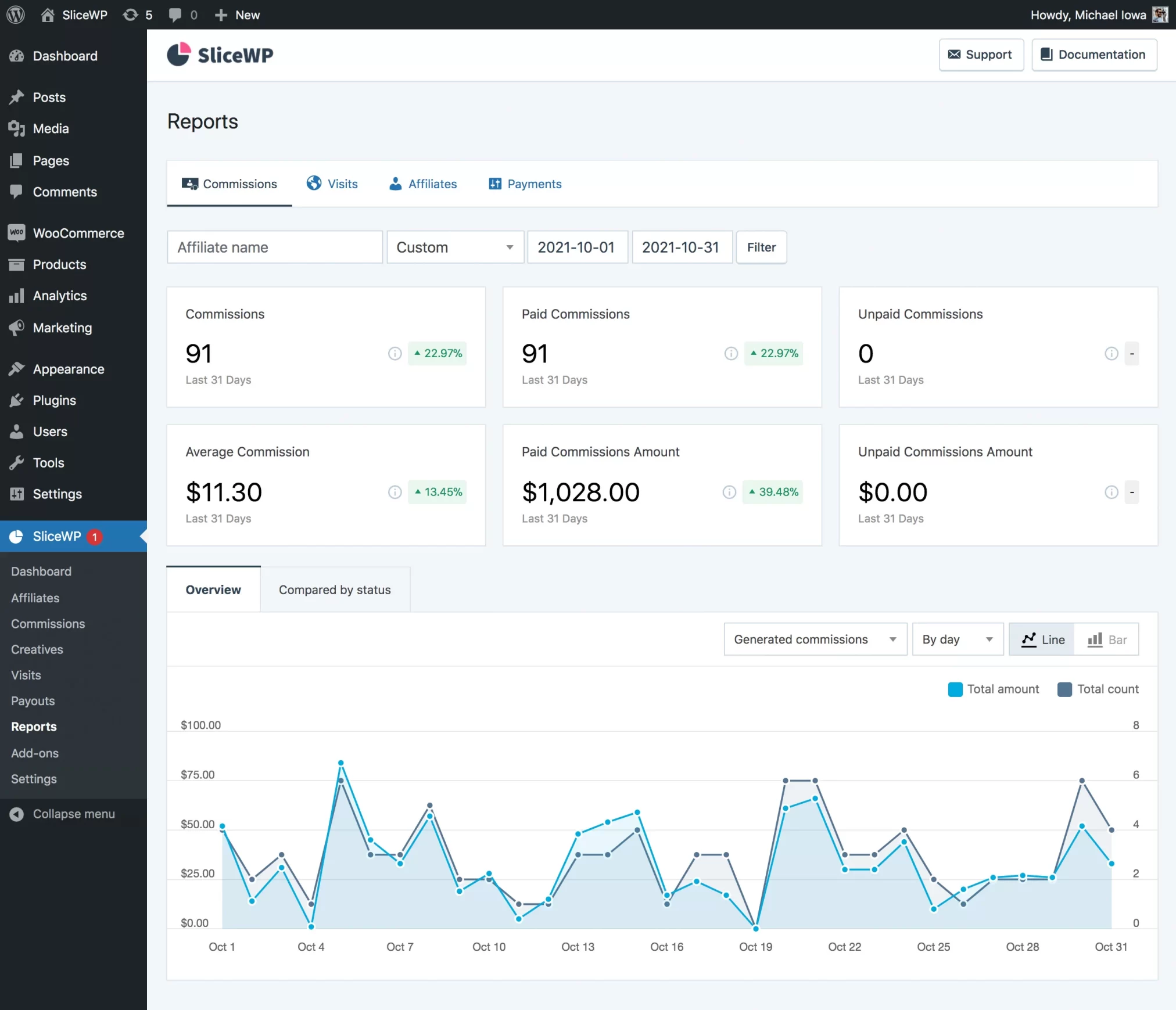
A lightweight, modern alternative to AffiliateWP.
- The Veteran’s Take: The code is clean. It integrates deeply with Easy Digital Downloads (EDD). The interface is less cluttered than older plugins, making it a favorite for developers seeking affiliate software free of bloat.
11. YITH WooCommerce Affiliates
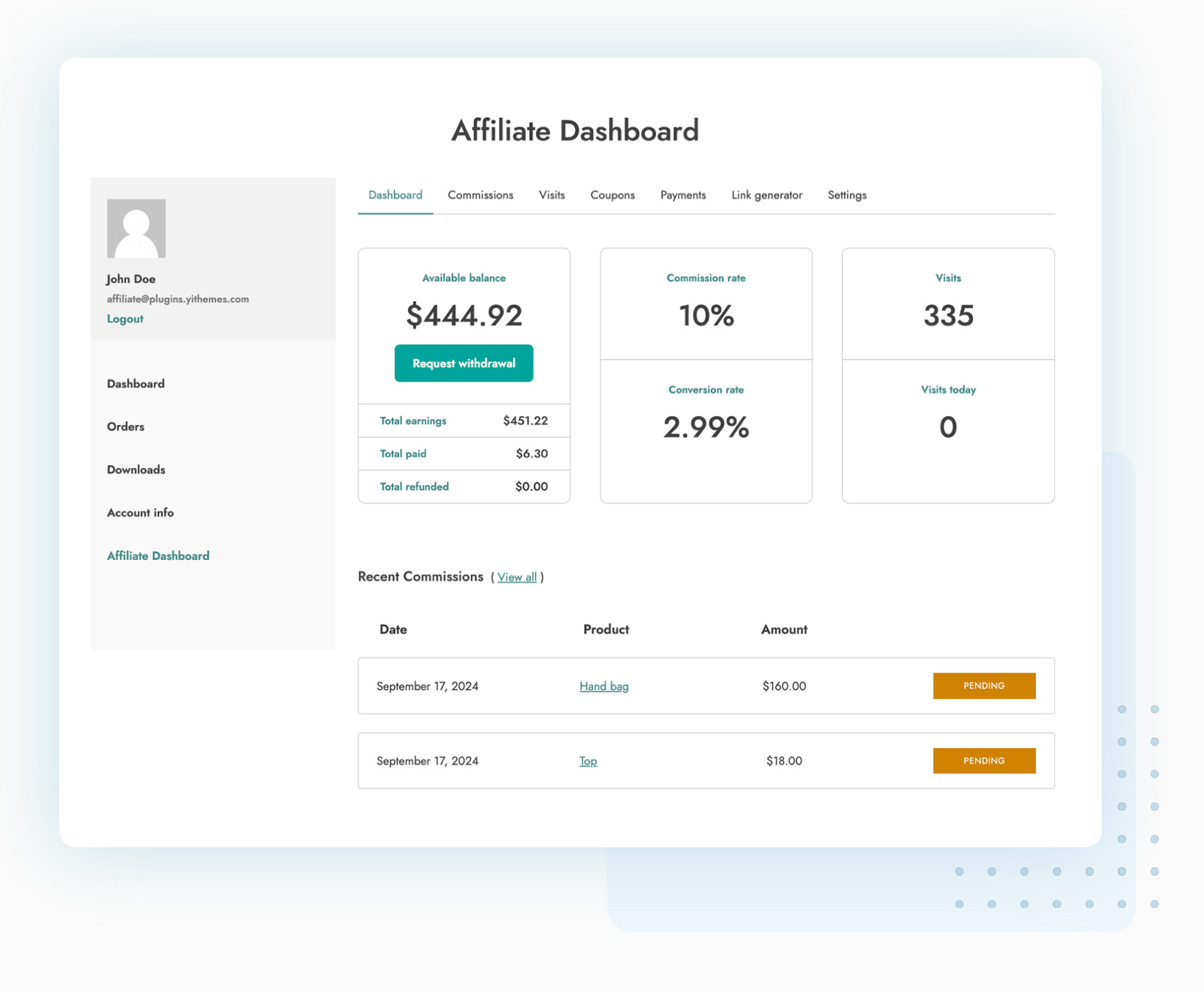
If your entire business exists inside WooCommerce, YITH is a native solution.
- The Benefit: It shares the same customer database as your store.
- The Downside: If you ever migrate away from WooCommerce (e.g., to Shopify), you lose your entire history. Dedicated affiliate network software like Scaleo prevents this lock-in.
12. Easy Affiliate
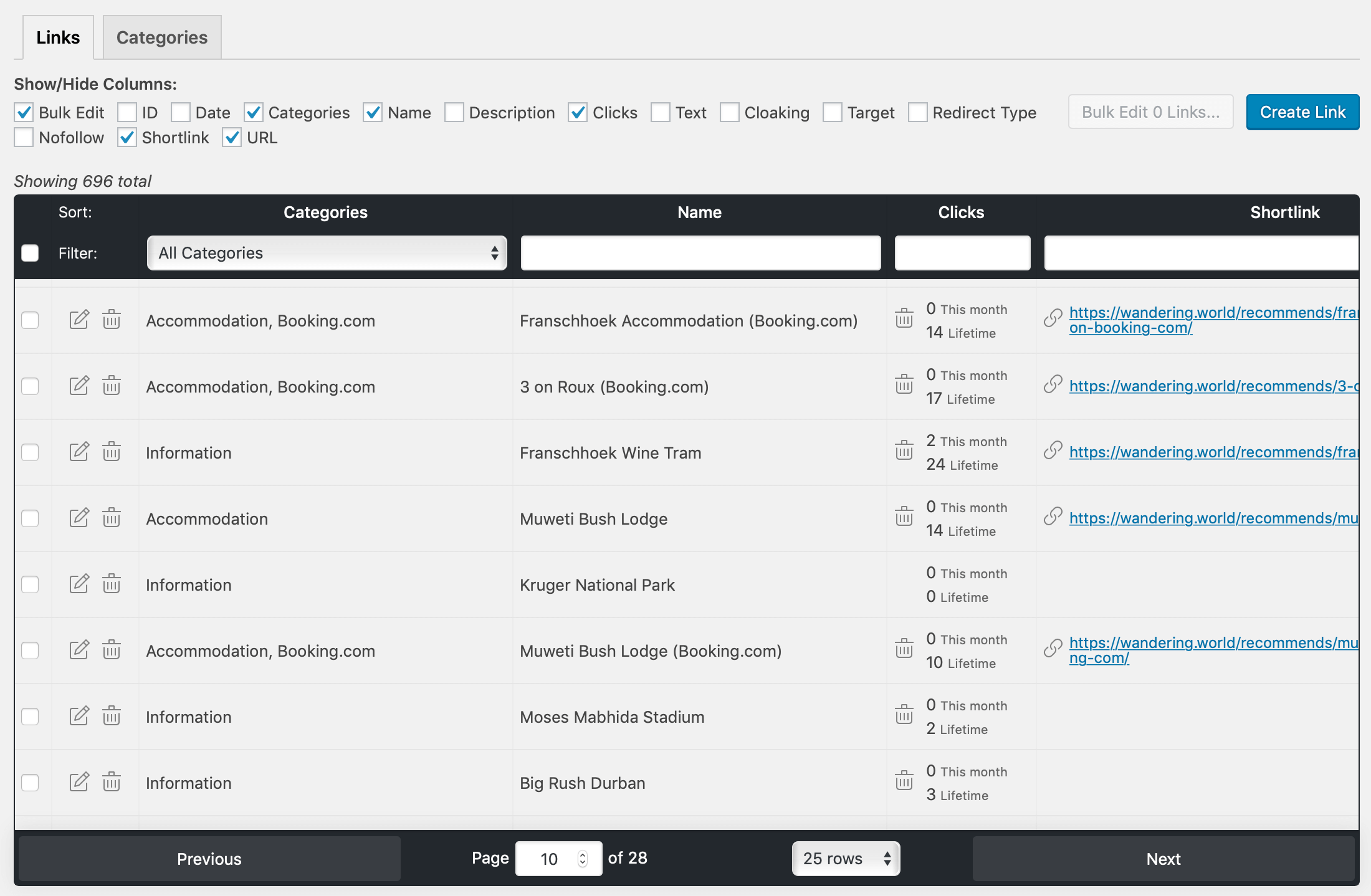
From the team behind MemberPress.
- The Fit: If you run a membership site or sell digital courses on WordPress, this plugin is tightly integrated. It understands “recurring revenue” better than most free affiliate programs.
13. Coupon Affiliates
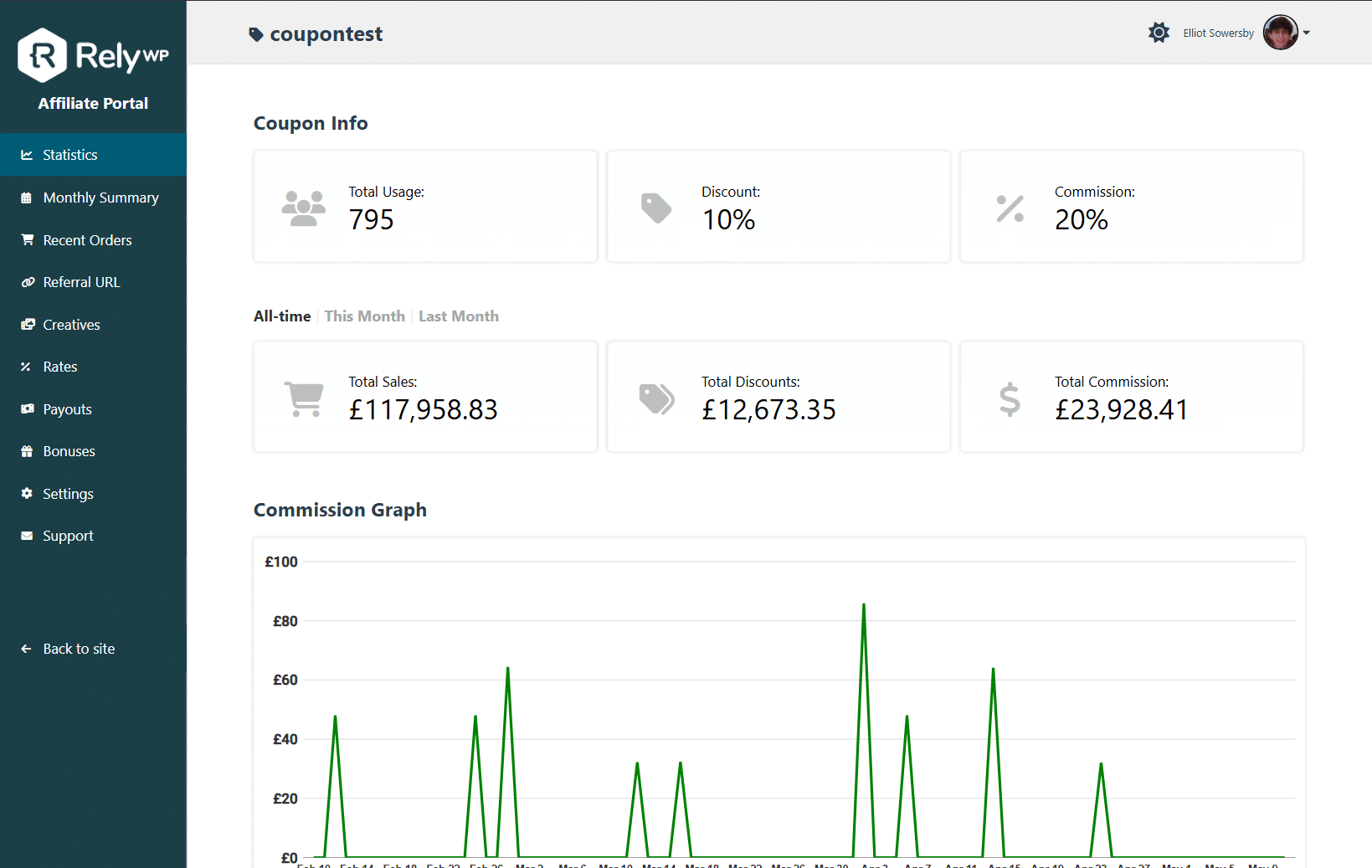
This plugin flips the tracking model. Instead of links, it tracks Coupon Codes.
- The Reality: In the age of TikTok, links are hard to use. Influencers prefer saying “Use code SARAH20.”
- The Veteran’s Take: Essential if your strategy relies on influencers who cannot easily post clickable tracking links.
14. PrettyLinks
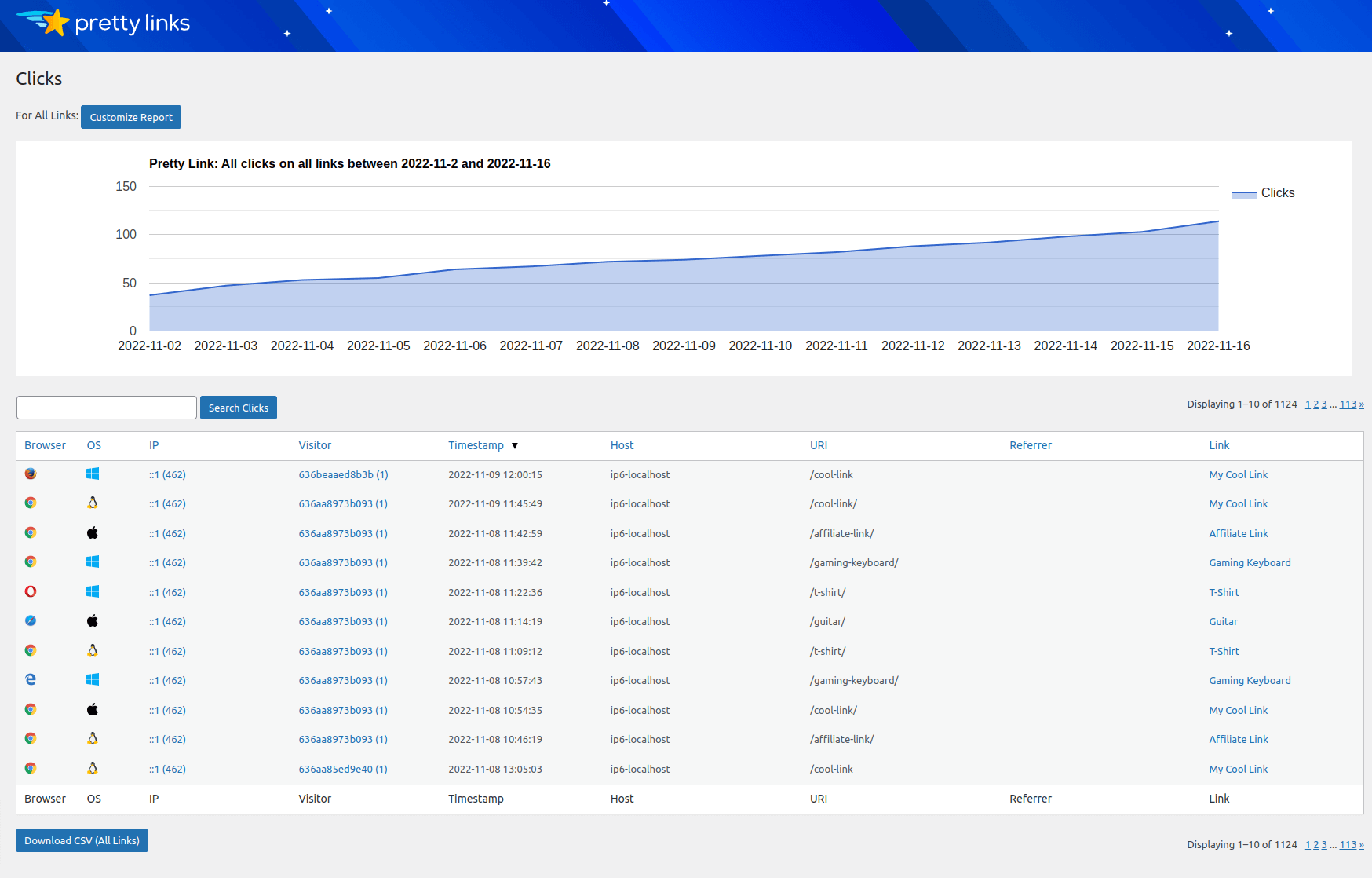
Similar to ThirstyAffiliates, PrettyLinks is a staple among free affiliate marketing tools.
- The “Lite” Version: It’s free and rock-solid for link shortening.
- The Strategy: Use PrettyLinks to manage your outbound links, but don’t confuse it with an AMS. It won’t calculate commissions for your partners.
15. Tracking Code Manager
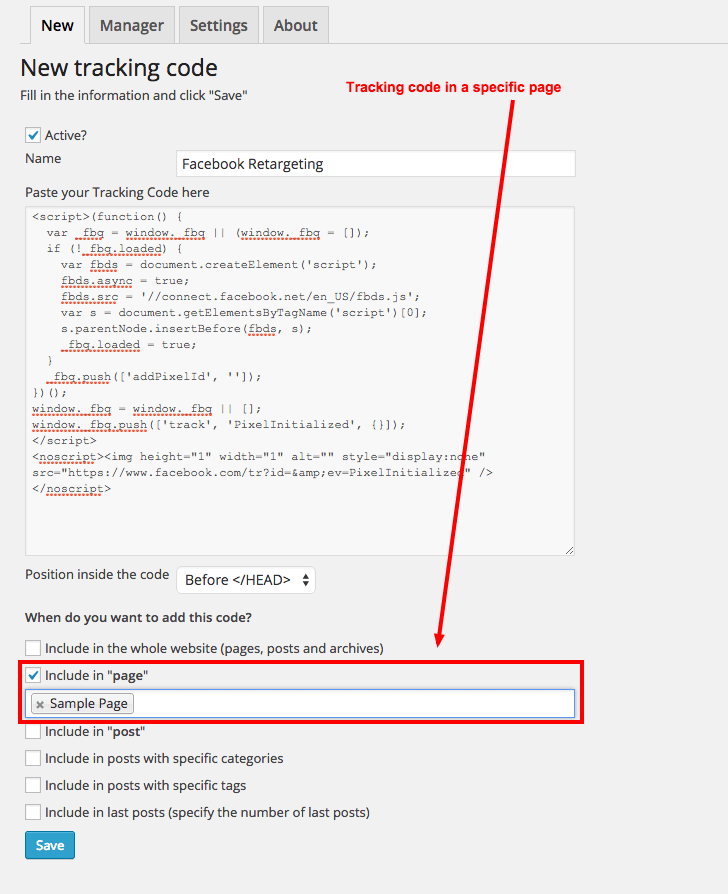
A utility plugin, not a full affiliate tracker.
- The Function: It allows you to inject tracking pixels (Facebook, Google) into specific pages without editing code.
- The Veteran’s Take: A lifesaver for Ad Ops teams who need to place a conversion pixel on a “Thank You” page quickly.
16. Easy Affiliate Links
Another contender in the link cloaking space.
- Differentiation: It offers a nice visual editor and compatibility with Gutenberg blocks, which makes inserting links into articles faster.
17. Affiliate Power
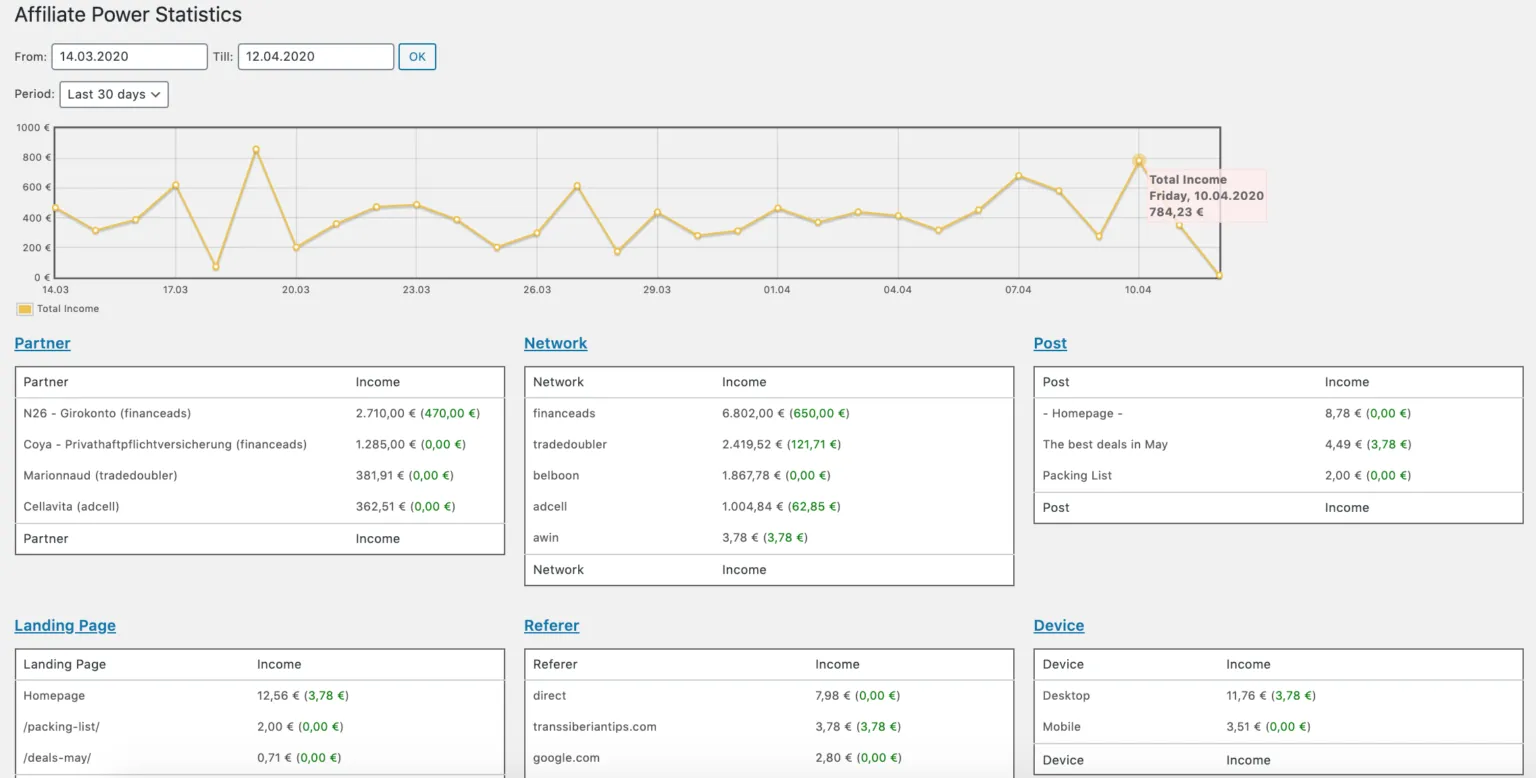
A niche plugin for EU markets, integrating with networks like Awin.
- The Feature: It imports your sales data from the networks back into your WordPress dashboard, giving you a consolidated view of your earnings.
Category C: The “Old Guard” (Open Source Scripts)
Best for: Developers who want to own the code. Warning: High Maintenance.
18. eLitius
eLitius is a PHP-based, open source affiliate software. Lots of features, customizable templates using Smarty. PHP/MySQL.
- The Good: It is 100% free. You can download it and modify the code.
- The Bad: The interface is dated. Security is your responsibility.
- The Verdict: Only for developers who have zero budget but lots of free time.
19. Cosmic AffiliateClick
A relic of the early internet.
- The Context: This is a Perl script. If you don’t know what Perl is, do not use this software. It is listed here for historical completeness as one of the original software affiliate programs, but using it today is a security risk.
20. MPA3 (Mansion Productions)
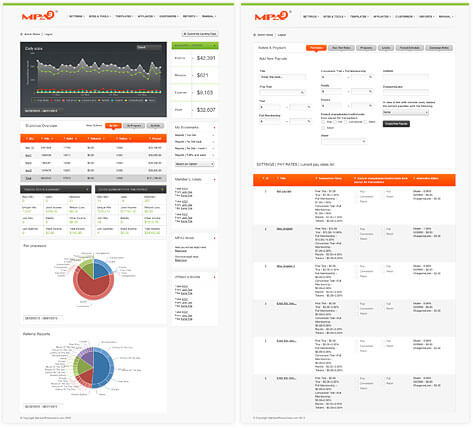
MPA3 was once a titan in the industry.
- The Reality: It represents the “self-hosted network” era. While powerful, maintaining a self-hosted affiliate platform software requires a full-time sysadmin.
Category D: Analytics Bridges & Aggregators
These tools help you make sense of the data.
21. WeCanTrack
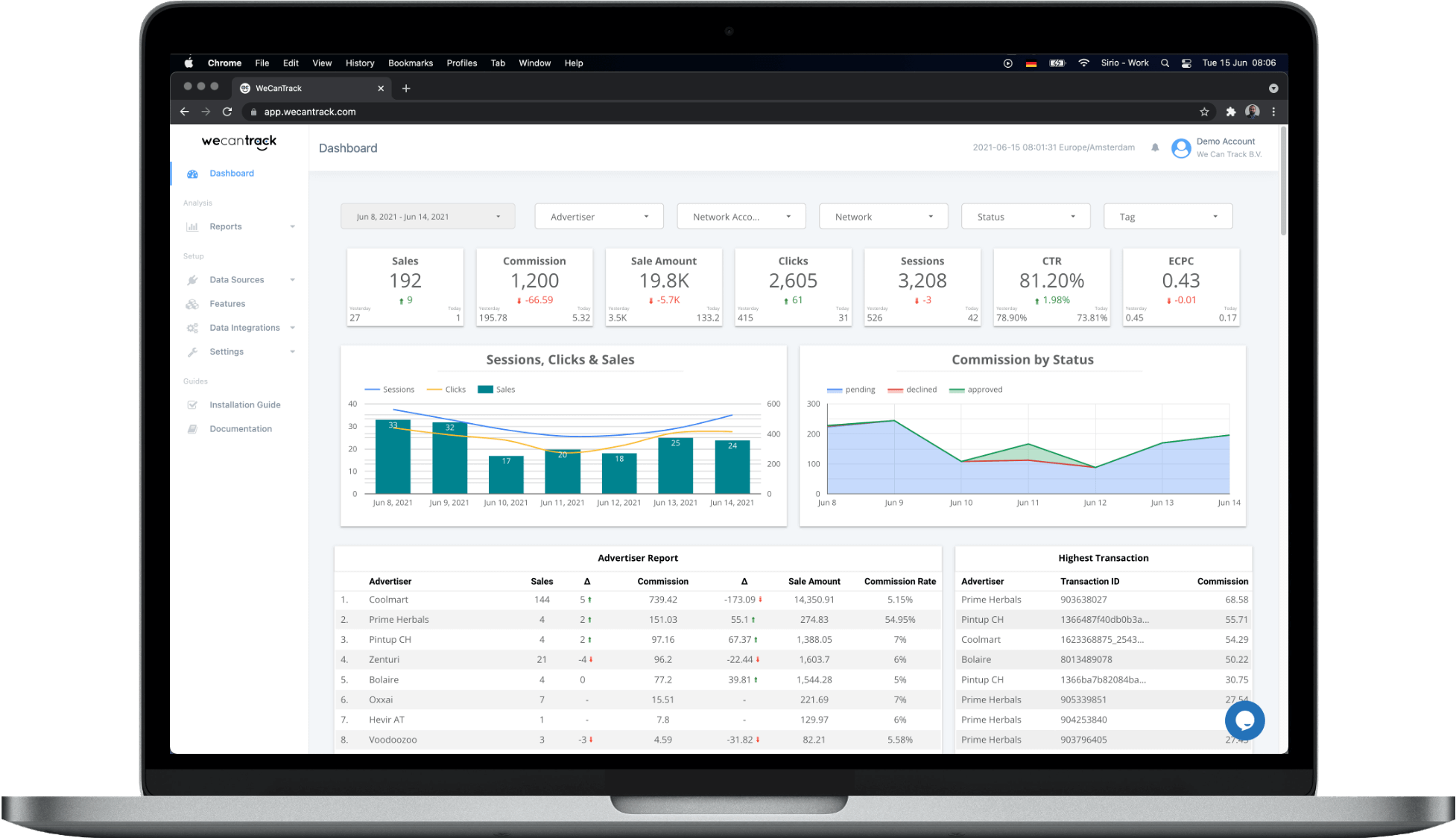
WeCanTrack is a middleware solution.
- The Magic: It connects your affiliate networks to Google Analytics.
- The Benefit: It allows you to see which Google Ad keyword drove the affiliate sale. Without this affiliate marketing tracking bridge, you are flying blind.
22. NiftyStats
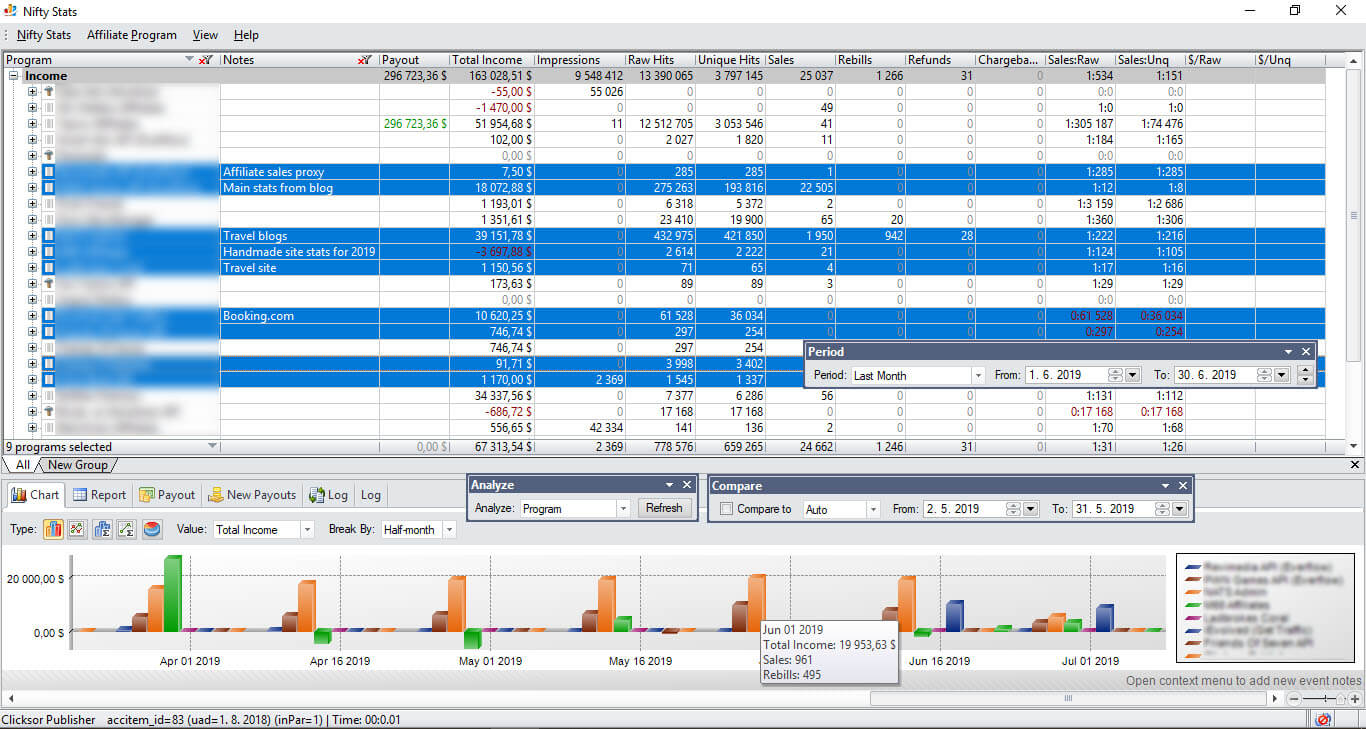
A desktop application that acts as a universal dashboard.
- The Workflow: You enter your login details for 50 different programs, and NiftyStats pulls the data.
- The Veteran’s Take: The best affiliate program monitoring tool for affiliates who hate logging into 50 different dashboards every morning.
23. Bit.ly
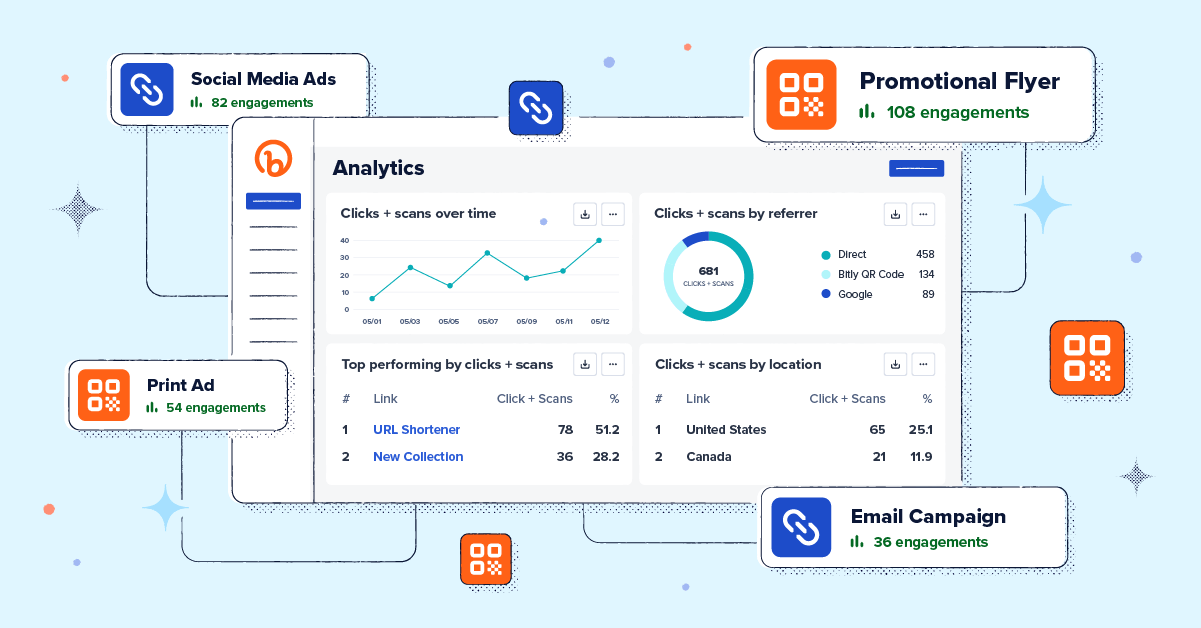
The world’s most famous link shortener.
- The Warning: While free, Bit.ly links are often flagged as spam. Use with caution for paid campaigns.
24. Google Analytics 4 (GA4)
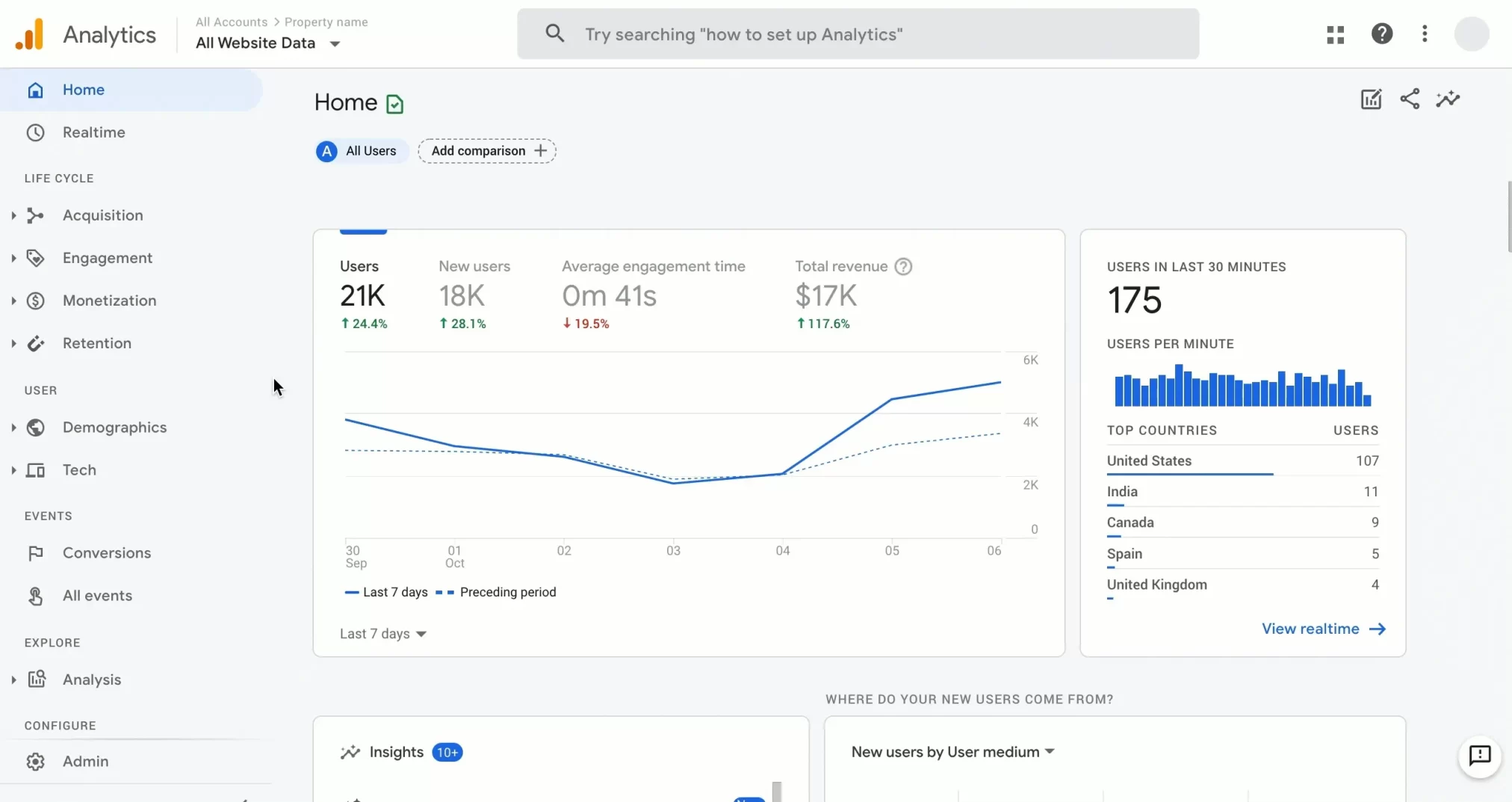
Technically, GA4 is the most powerful free affiliate tracking tool on earth.
- The Setup: By using UTM parameters (
?utm_source=affiliate_id), you can track referrals. - The Limitation: It is an analytics tool, not an accounting tool. It won’t generate invoices.
25. Voluum (Free Tier / Demo)
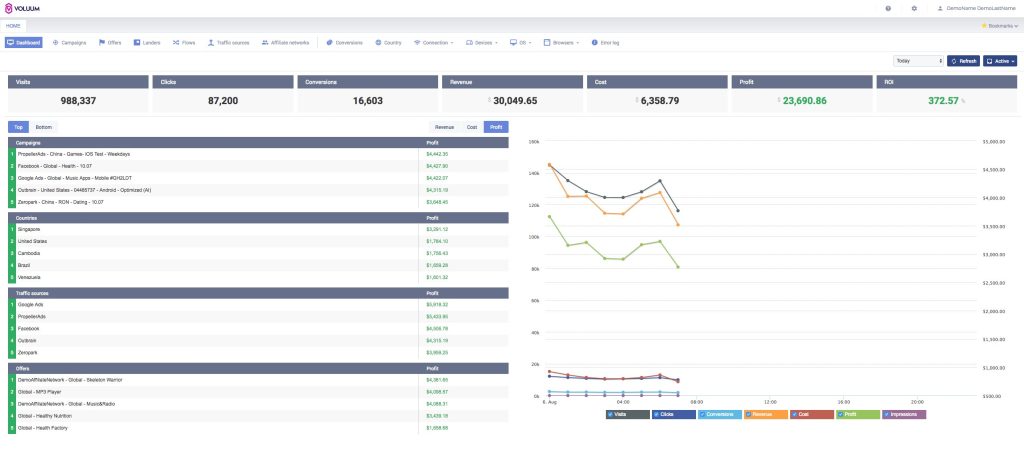
Voluum is the Rolls Royce of affiliate marketing tracking.
- The Context: While primarily paid, their demo options give you a taste of what professional tracking looks like. It is overkill for a blog, but essential for a media buyer.
The Hidden Cost of “Free”: A Technical Audit
Why free tools fail, in a nutshell?
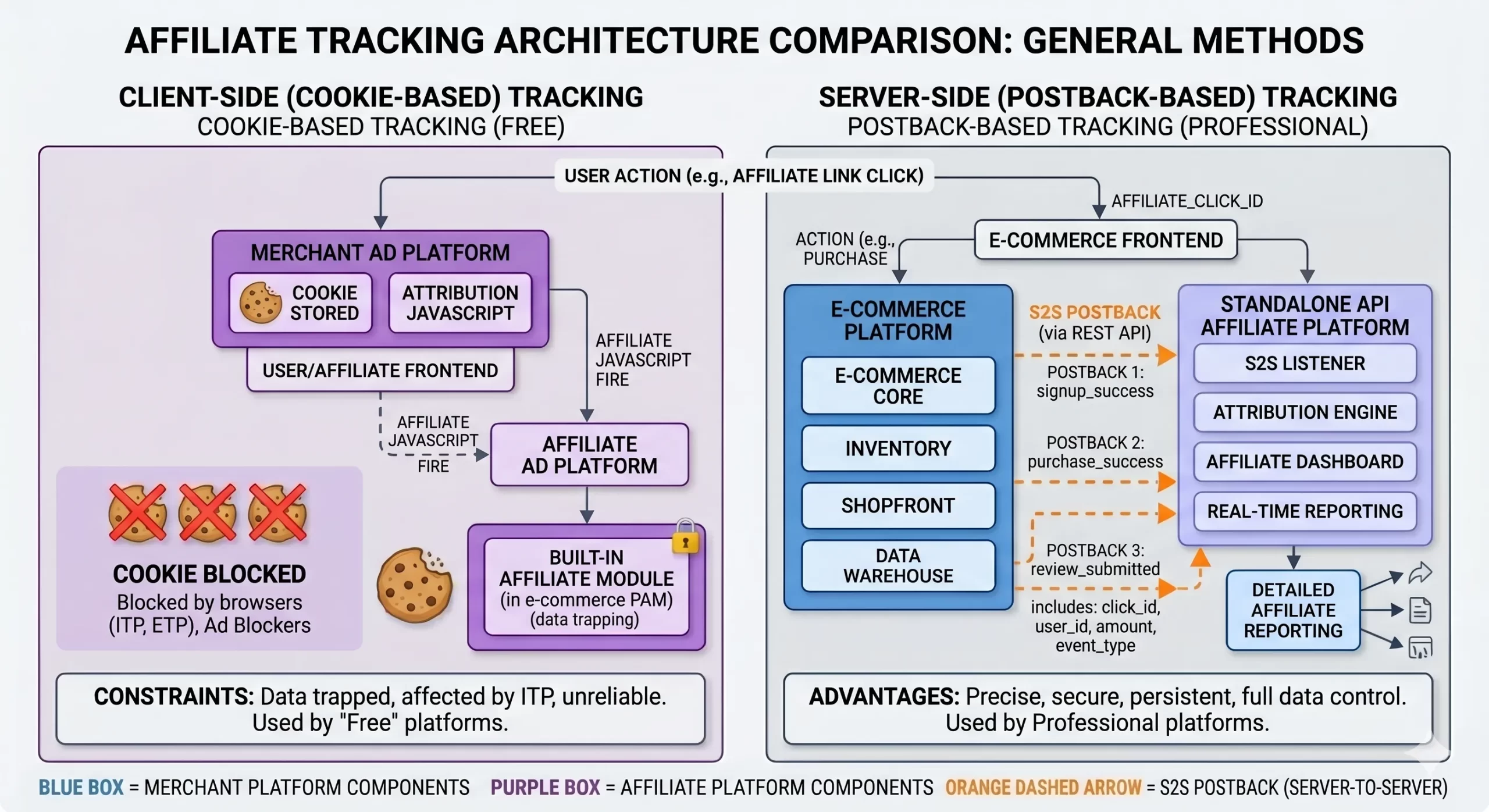
Before you commit to a free affiliate software, you need to understand the “Technical Debt” you are signing up for. In my 20 years in this industry, I have seen “free” cost companies lose millions in lost data.
1. The Cookie Reliance Issue
Most free affiliate marketing apps rely on First-Party Cookies.
- The Problem: Apple’s ITP and browsers like Brave are ruthless with cookies. If a user clicks an affiliate link on Safari and buys 2 days later, the cookie might already be purged.
- The Result: The sale happens, but the affiliate management system records nothing. The affiliate gets no credit.
- The Solution: You need Server-Side Tracking. Tools like Scaleo use “Fingerprinting” and S2S postbacks that do not rely solely on browser storage.
2. Database Concurrency
Self-hosted plugins (like AffiliateWP) write data to your web server’s database.
- The Scenario: You launch a Black Friday promo. You get 50,000 visitors in an hour.
- The Crash: Your database locks up because it is trying to serve product pages and write tracking logs simultaneously.
- The Solution: Use a SaaS affiliate tracker. We process the clicks on our cloud infrastructure, so your server only handles the sale.
3. Lack of Fraud Protection
Free tools are “dumb” counters. They count clicks. They do not analyze them. They cannot distinguish between a high-intent user from London and a bot farm using a residential proxy. If you pay CPA (Cost Per Action) using cheap affiliate software, you will eventually pay for fraudulent leads.
Types of Commission Models:
| Model | How It Works | Ideal For |
|---|---|---|
| 💰 Revenue Share | Affiliates earn a percentage of the revenue generated by referred customers. | Long-term partnerships. |
| 🎯 Cost Per Action (CPA) | A fixed payout for specific actions, like sign-ups or deposits. | High-traffic affiliates with strong conversions. |
| 🏆 Hybrid Models | A combination of revenue share and CPA. | Affiliates who want upfront and recurring earnings. |
Why It Matters? Flexible models allow you to cater to seasoned affiliates while also experimenting with new talent. Platforms like Scaleo excel in this, offering customizable commission tiers to fit your business needs perfectly.
Fraud Detection: Protecting Your Revenue Stream
Click spamming, cookie stuffing, and fake leads can drain your resources faster than a rigged slot machine. Here’s where robust fraud detection capabilities save the day.
Top Fraud Detection Features to Look For:
| Feature | How It Helps |
|---|---|
| 🔍 Click Validation | Ensures clicks come from legitimate sources, not bots or blacklisted IPs. |
| ⚠️ Anomaly Alerts | Detects suspicious patterns, like sudden spikes in traffic or unusually high conversions. |
| ✅ Lead Verification | Confirms that referred users meet quality standards (e.g., real sign-ups, valid emails). |
Affordable software like Scaleo includes advanced fraud detection tools, allowing businesses to maintain the integrity of their affiliate programs without adding complexity—or extra cost.
The Importance of Built-in CRM Features
Managing affiliates is mainly about building relationships. That’s why built-in CRM (Customer Relationship Management) features are crucial for affiliate tracking software. Think of it as the glue that holds your partnerships together.
What Built-in CRM Features Should Include:
| Feature | Why It’s Essential |
|---|---|
| 📬 Affiliate Messaging | Streamlines communication, keeping affiliates in the loop about new campaigns or updates. |
| 📊 Performance Dashboards | Provides affiliates with clear insights into their performance, boosting transparency and trust. |
| 🤝 Onboarding Tools | Simplifies the process of bringing new affiliates into your program. |
The Advantages of Free and Open Source Affiliate Software
Small businesses and startups can really benefit from free and open-source affiliate marketing software since it lets them easily handle marketing plans, commissions, and track performance. A lot of software companies provide free trials, which makes it easy to test out the features without having to pay for upkeep.
Users may still be at danger of security holes and hacker attacks, even though the community has made tools and contributions. Also, affiliate sales tracking software, which is also known as CPA tracking, helps you keep track of and manage your affiliate sales, no matter how complicated the tool is.
Tips for Tracking Affiliate Marketing Success
Once your affiliate program has gained momentum and is generating leads and revenue, it’s time to turn your attention to tracking the progress of your marketing campaigns. So, setting up KPIs is one of the most important steps you need to take. You also need to consider quantitative metrics and compare performance against your goals. So what metrics are critical to achieving your goals? Let’s take a look.
Key objectives:
- CTR, or Click Through Rate: is the number of times a user clicks on your advertisement.
- CPL (Cost Per Lead): Here, you must track and control your affiliate marketing lead generation platforms.
- Conversion Rate: The frequency at which a lead or click is transformed into a future sale. To accurately measure your conversion rate, you will need conversion tracking software, which is basically a feature available across all affiliate tracking tools.
- Return on investment (ROI): This metric lets you determine how much you spent on an affiliate marketing campaign and how much you received from that campaign.
- Incremental Sales and Revenue: Determine how many sales are mostly generated by a marketing channel that no other marketing campaign would have driven. When affiliates complete a transaction, incremental revenue is provided.
- Average Order Value: This metric aids in calculating the average revenue produced by a single order.
- Reversed Sale Rate: As the name suggests, this refers to calculating the products returned by consumers who bought from your website rather than receiving a refund.
- Fraudulent Orders: Affiliate marketing is plagued by many fraudulent orders, resulting in massive losses. You must also consider those instructions. It’s important to pick software with fraud protection.
Affordable Affiliate Tracking Software—Conclusion
Let’s be honest: “Free” affiliate software usually comes with a price tag. You just don’t pay it in dollars; you pay it in data accuracy, developer hours, and lost revenue.
If you are just launching a side hustle, a free plugin is fine. But if you are building an operator-grade program in Fintech, iGaming, or high-volume E-commerce, relying on a free script is a liability.
Why Scaleo is the “safety net” for growing programs?
There is a reason the top operators eventually migrate to Scaleo. It’s not just about features; it’s about Data Integrity.
Scaleo isn’t just a tracker; it is a complete affiliate management platform that sits as a protective layer between your budget and your traffic.
- S2S Precision: We handle the complex postbacks that bypass ad blockers.
- Compliance: We automatically block traffic from restricted GEOs before it even hits your landing page.
- Partner Management: We automate the billing, invoicing, and tier upgrades, saving your finance team dozens of hours a month.
The “Free” software gets you started. Scaleo keeps you in business.
If you are ready to stop guessing and start attributing with operator-grade precision:
Quick Decision Matrix: Which Type of Tool Do You Actually Need?
Before comparing software, you need to know which category fits your business model:
You likely need a SaaS affiliate platform if:
- you run paid traffic at scale
- you need S2S postbacks
- you have multiple affiliates or media buyers
- you need fraud checks
- you want automated commission logic and billing
- you cannot afford attribution gaps
You likely need a WordPress plugin if:
- your site runs entirely on WordPress
- your volume is still low
- you mainly want simple referral links
- you are comfortable relying on your own hosting stack
- you do not need enterprise reporting or advanced payout automation
You likely need an analytics bridge or support tool if:
- you already use affiliate networks
- you need deeper visibility into campaign performance
- you want to connect affiliate data into GA4, ad platforms, or a central dashboard
- you are not actually running your own affiliate platform
The mistake is not choosing a cheap tool. The mistake is choosing a lightweight tool for a heavyweight job.
What Do You Look For When Choosing an Affiliate Tracking Software?
Choose a well-known platform to give your brand trust, credibility, and familiarity.
Look into what your competitors and their customers use to find a platform that has businesses like yours. A platform-based business that has been around for a long time and is doing well with a similar product or service might be a good match for yours.
Pick a platform that works well with other businesses and has good partnerships. Check to see if the affiliate tracking software works with your payment methods and business partners.
Pick affiliate marketing software that works well with the other things you’re doing to market your business. More of these are available with different solutions.
Pick affiliate software that lets you learn how to use all of its features. There are a lot of tutorials that are specific to certain software.
What Features Should Your Affiliate Tracking Software Have?
When choosing among the dozens of affiliate software available in 2026, here is a list of key features to look for: an accounting module, a robust payment gateway, reporting features, an intuitive interface, real-time campaign tracking, real-time metrics, and an anti-fraud kit. A good extra bonus would be if your software also has these additional features: a mobile app, white-labeled affiliate onboarding, traffic distribution, mass payments, brandable interfaces, email automation, and coupon codes.
Which affiliate marketing tracking software platforms are best?
If you are looking for one of the best affiliate marketing tracking software platforms, just go with the highest-end platform that your budget would allow. The more you can invest in your affiliate marketing business, the more it will, generally, pay out in the long run. Choose Scaleo or any similar affiliate marketing tracking software platform with a flexible pricing structure.
Should I continue to track affiliate links in 2026?
You should definitely do this because the affiliate marketing industry is getting more competitive and affiliates need to work harder than ever to stay in business. Tracking links for affiliate campaigns is a tried-and-true way to make your affiliate programs work better and improve your marketing strategy. To get the most money from your business, you need to choose the best way to track affiliate links from the many tools available and use them correctly.
What is the best 25 affiliate tracking software scripts?
How will affiliate software help track affiliates?
Affiliate software helps in tracking affiliates by providing a platform that can monitor and manage the activities of affiliates. It allows businesses to keep track of affiliate sales, commissions, and performance metrics.
1. Affiliate software provides a platform for tracking and managing affiliates’ activities.
2. It helps businesses monitor affiliate sales, commissions, and performance metrics.
3. The software allows for easy tracking and management of affiliate links and referrals.
4. It enables businesses to analyze the effectiveness of their affiliate marketing campaigns.
How do I keep track of all my affiliate programs?
The best way to keep track of all your affiliate programs is to use an affiliate tracking software such as Scaleo, which allows you to pour all your marketing efforts into a dashboard that offers deep insights into the performance of each affiliate program.
How is affiliates performance tracked?
Yes, and plenty! Any affiliate tracking software offered as a SaaS or a simple online tool that can often be even free offers a way to track and monitor affiliate performance. If you opt for paid trackers, you will, of course, receive a deeper insight into the performance of your affiliates, since these tools offer better tracking capabilities and better features.
How do I track affiliate sales on WordPress?
The best way to track affiliate sales on WP is to use any WordPress plugin, that comes packed with affiliate tracking features. These include Affiliate WP, Woocommerce Affiliate plugin (paid) and ThirstyAffiliates.